Read the city
What Geneva is
Geneva — Genève in French, the language of the city — is Switzerland's second-largest city, with about 209,000 people in its own small municipality, set at the southwestern tip of Lake Geneva where the Rhône flows out. France wraps around it on three sides, less than two kilometers from the center. The city is two banks joined by bridges: the old town climbs a hill on the left bank, while the main station and the international quarter spread over the right, and choosing between them is most of where to stay. Trains from the airport reach Cornavin station in about seven minutes (getting here), and you get around on foot, by tram, and on the small boats that cross the lake.
What you walk past
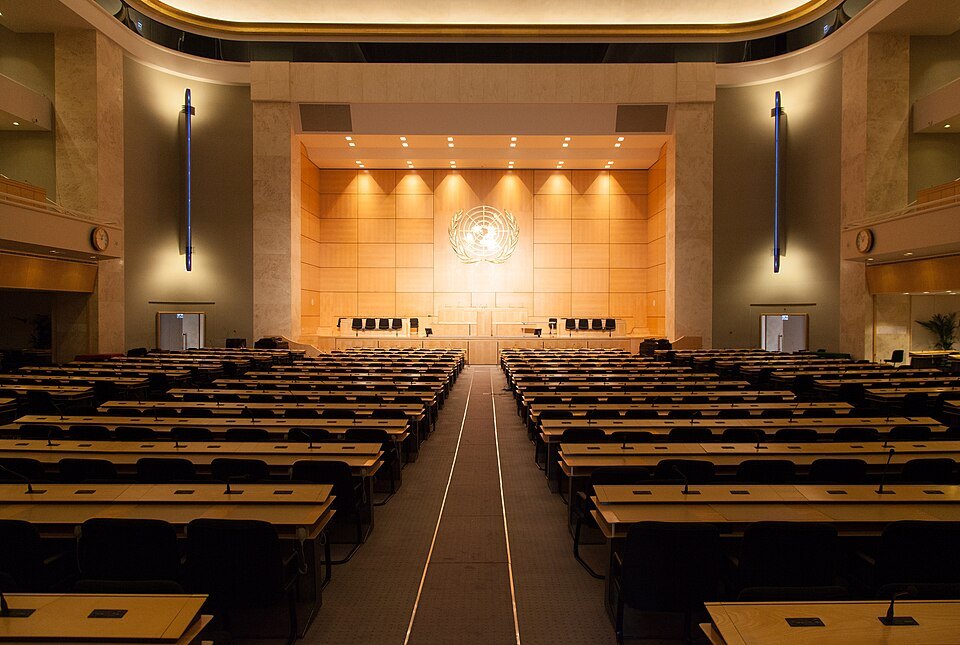
The Romans took the town in 121 BC, and Saint-Pierre Cathedral, begun around 1160, stands on the hill where it grew. John Calvin arrived in 1536 and made Geneva the “Protestant Rome”; the Reformation Wall, begun in 1909, shows him with three fellow reformers in statues five meters tall. On the night of 11–12 December 1602 the citizens threw back a surprise attack by Savoy, and the city still celebrates it as the Escalade. Geneva stayed its own republic until it joined the Swiss Confederation on 19 May 1815. The organizations came after: the Red Cross committee first met here in 1863, and the Palace of Nations, built for the League of Nations between 1929 and 1938, has housed the United Nations since 1946 (international Geneva).
What it is known for
For the Jet d'Eau, the fountain that has stood at the end of its jetty since 1891. For watchmaking, the city's largest trade after banking, and for perch from the lake and the chocolate cauldron broken open at the Escalade (eating and drinking). Begin with the sights, see what is worth booking ahead, pick a season and an itinerary, and keep a day for the day trips along the lake or over the border into France.
- The Reformation Wall and the Parc des Bastions
- The Hôtel de Ville, the Old Arsenal and the Treille
- Place du Bourg-de-Four and the Grand-Rue
- Saint-Pierre Cathedral
- Île Rousseau and the Pont de la Machine
- The Jardin Anglais and the Flower Clock
- The Jet d'Eau
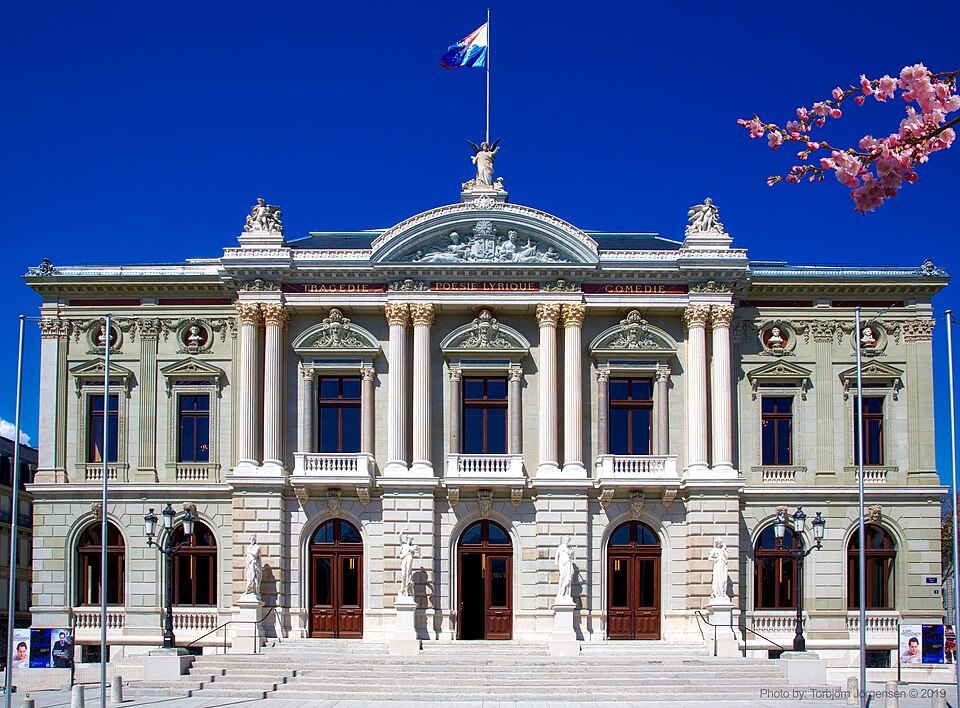
- Place de Neuve and the Grand Théâtre
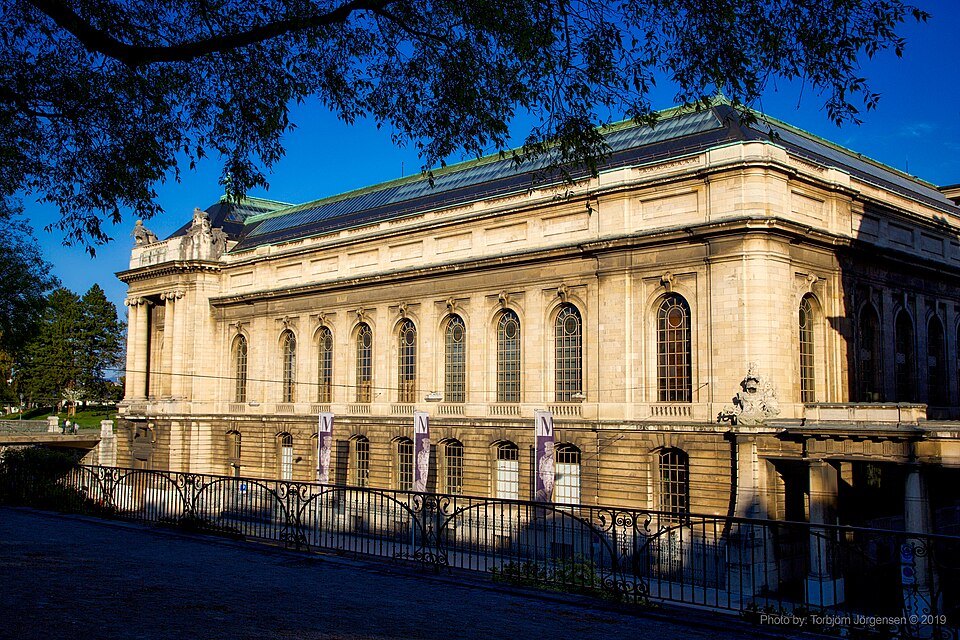
- The Musée d'Art et d'Histoire
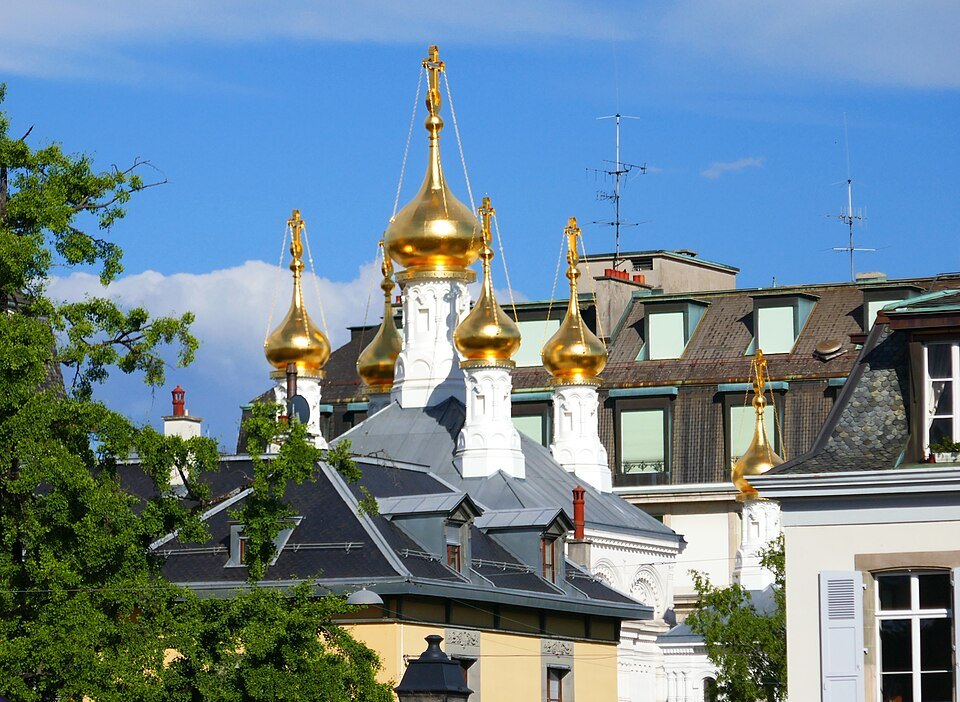
- The Russian Church
- Parc La Grange and Its Rose Garden
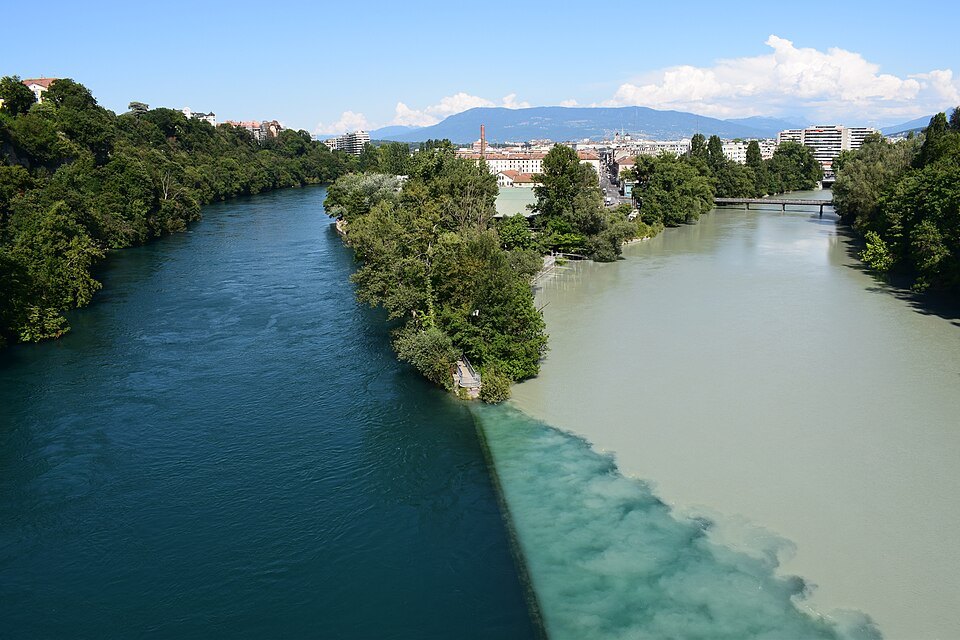
- The Jonction, Where the Rhône Meets the Arve
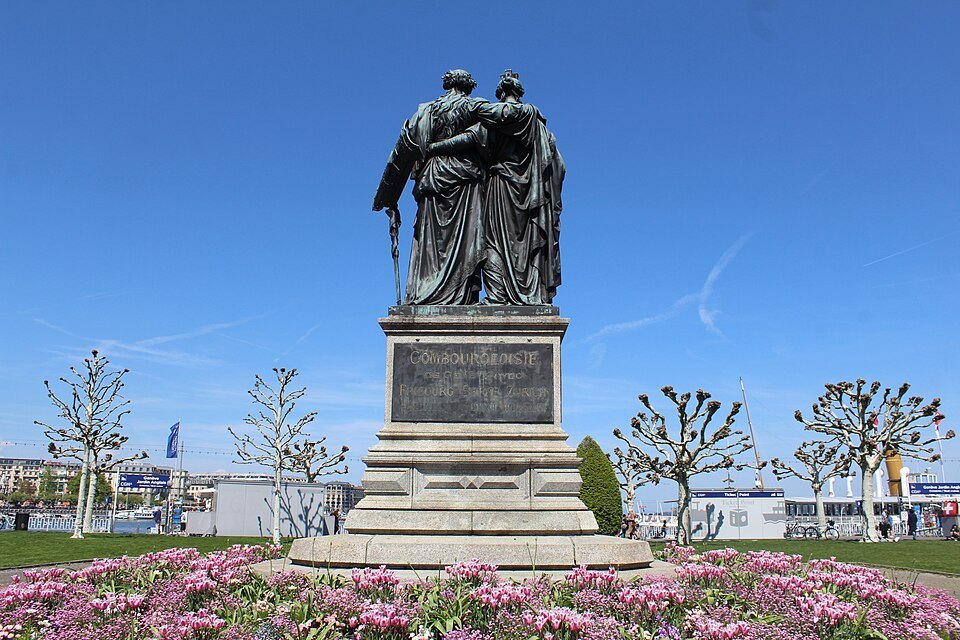
- The Quai du Mont-Blanc and the Brunswick Monument
- The Bains des Pâquis
- The Botanical Garden and the Lakeside Parks
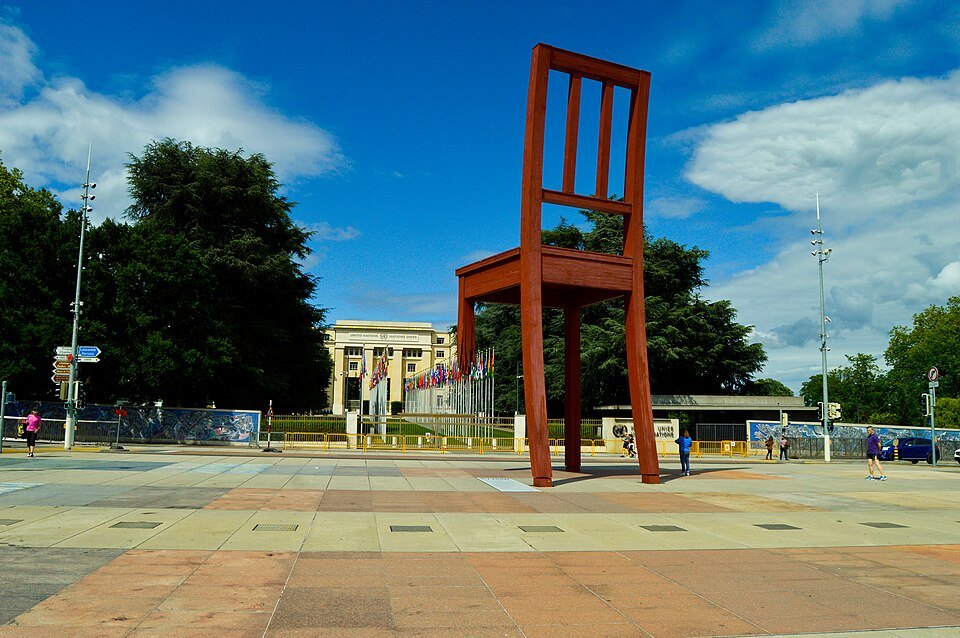
- The Palace of Nations and the Broken Chair
- The Red Cross and Red Crescent Museum
- The Musée Ariana
A walk from shade into light
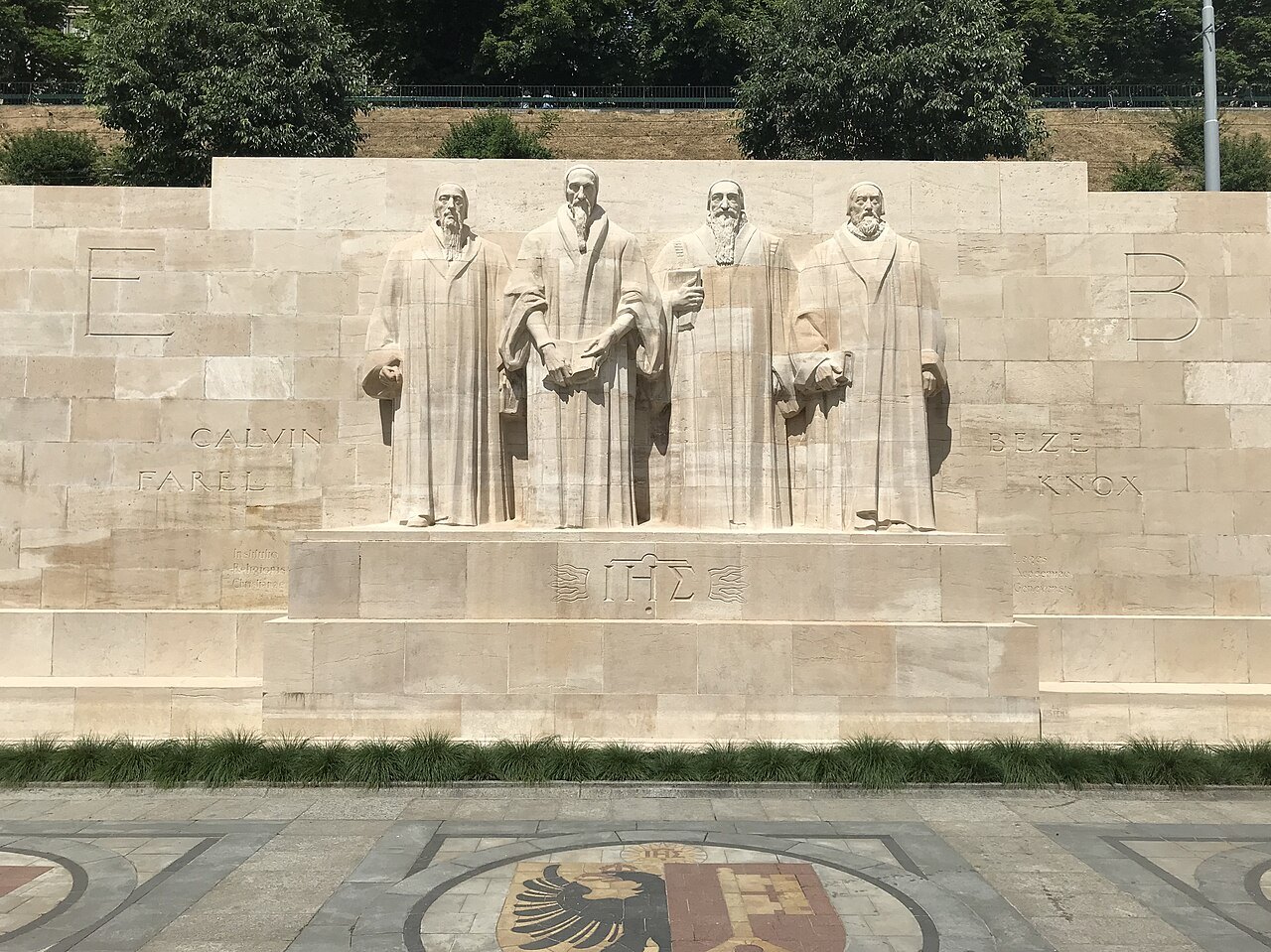
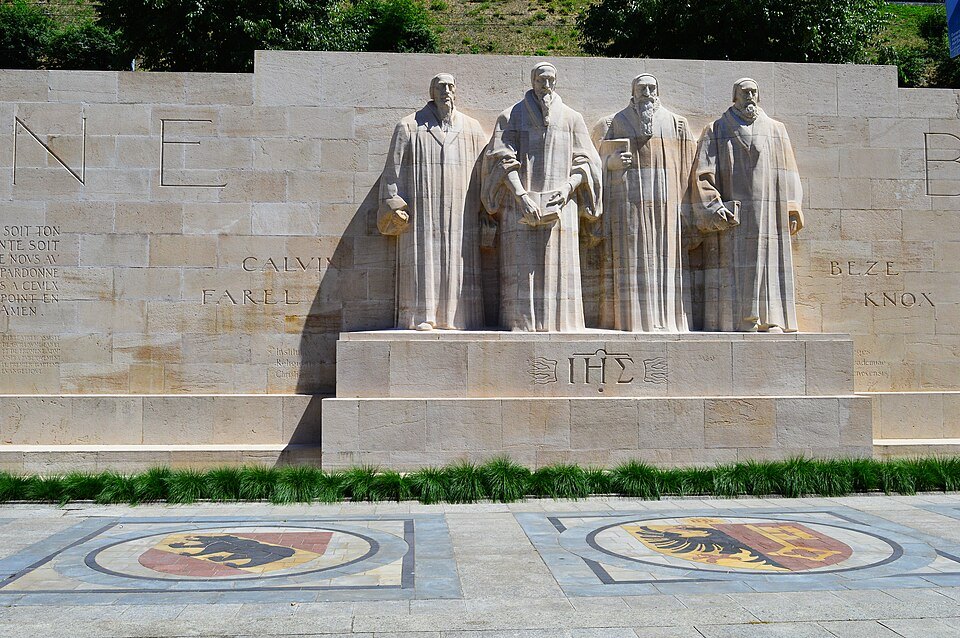
Farel, Calvin, Beza and Knox at the center of the Reformation Wall, with Geneva's arms set in the pavingSchweiz41, Wikimedia Commons, Public domain IThe wall of the reformers
Start in the Parc des Bastions, below the old ramparts. Built into the city's former walls and about a hundred meters long, the Reformation Wall was begun in 1909, four hundred years after Calvin's birth. At its center stand Farel, Calvin, Beza and Knox, each five meters tall, under the city's motto, Post Tenebras Lux: after darkness, light.
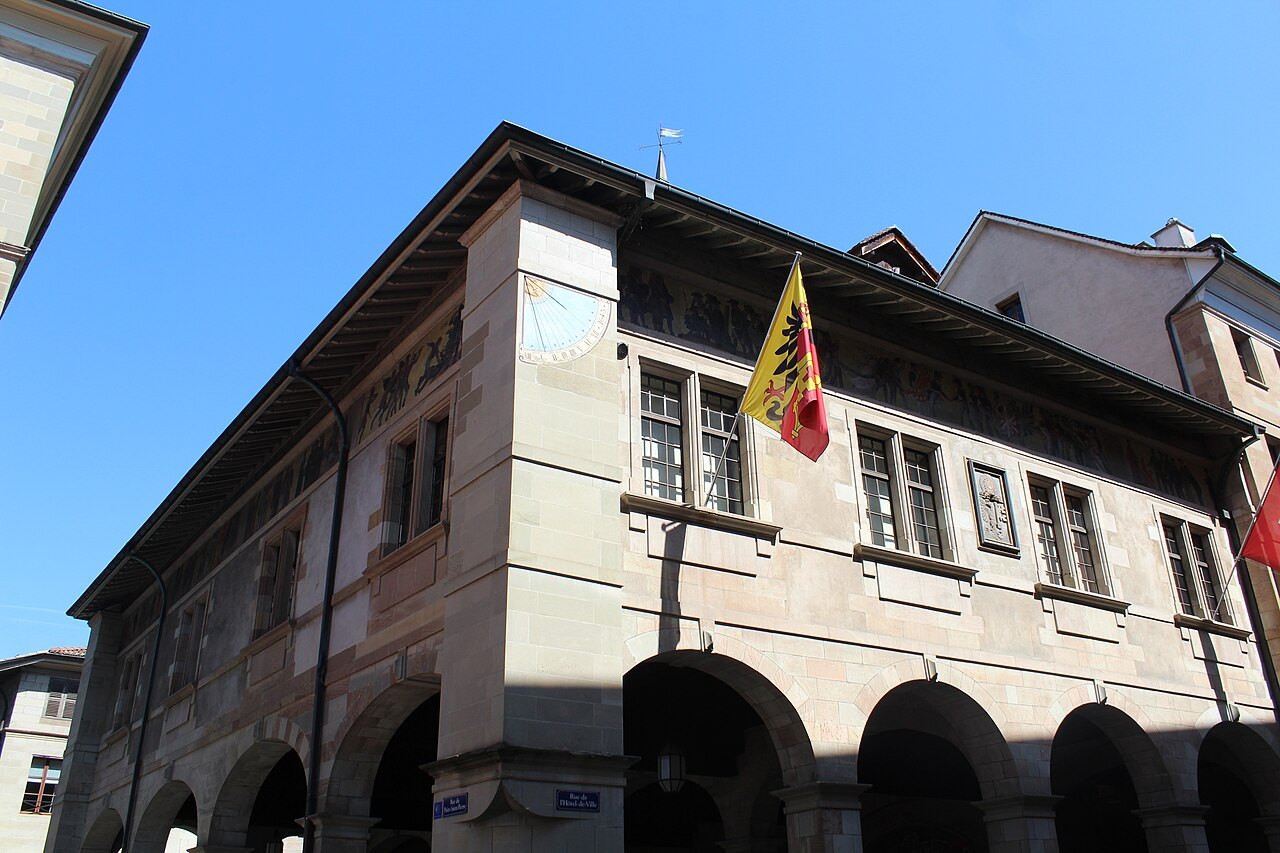
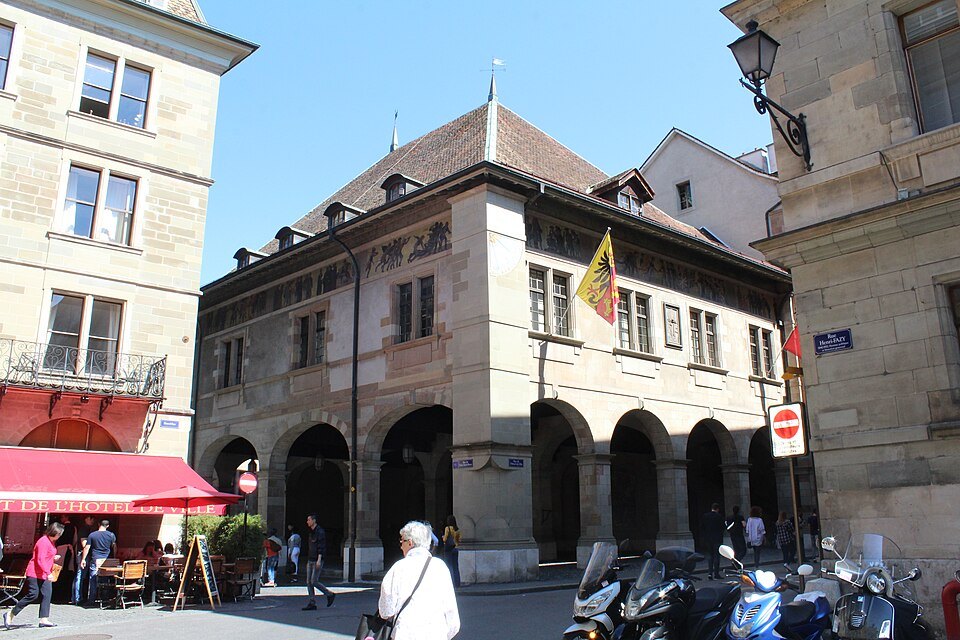
The arcades of the Old Arsenal, across the street from the Hôtel de VilleChabe01, Wikimedia Commons, CC BY-SA 4.0 IIThe longest bench
Climb the ramp to the Promenade de la Treille, where horse chestnuts have shaded the terrace since 1721 and a wooden bench some 120 meters long is said to be the longest in the world. Behind it rises the Hôtel de Ville, whose ramp tower, built between 1553 and 1584, climbs floor after floor on a gentle slope with no stairs at all.
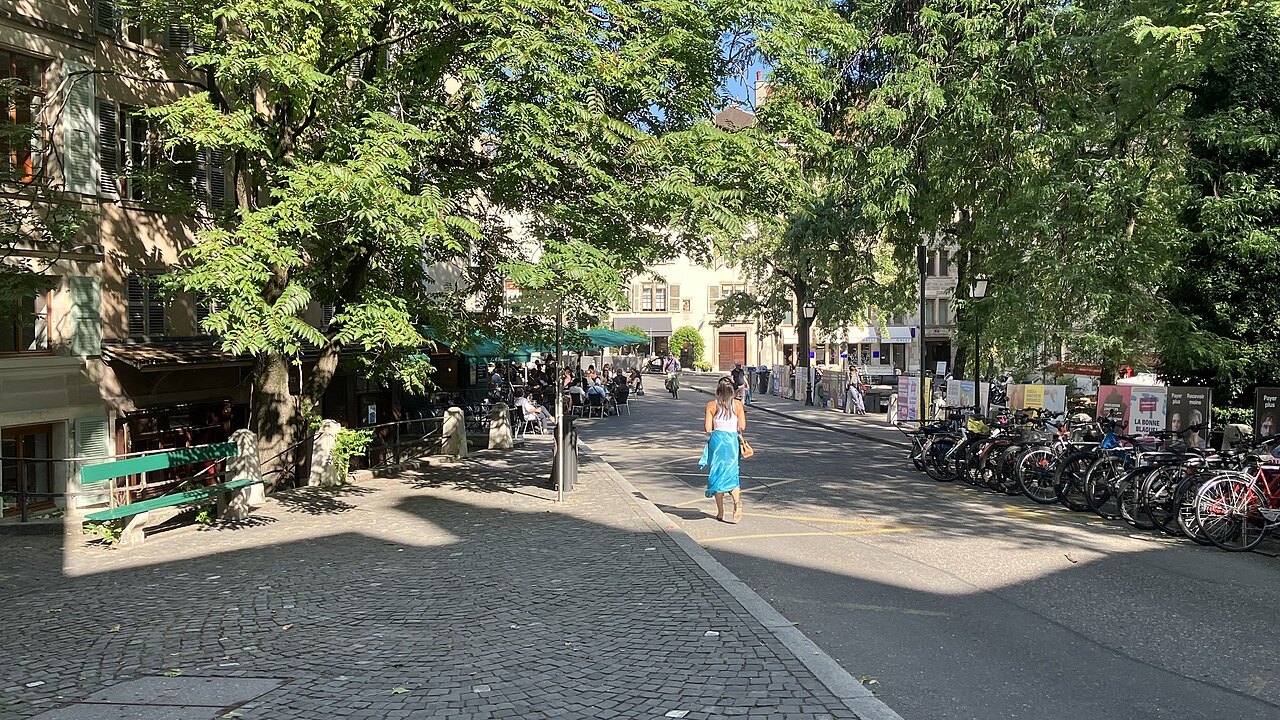
Benches and bicycles under the trees of Place du Bourg-de-Four3lisai-4u, Wikimedia Commons, CC0 IIIThe old market square
A few lanes on, Place du Bourg-de-Four sits on the site of the Roman forum and the medieval market. Cafés spill around a small 18th-century fountain, and the Grand-Rue leads away past the old houses of the upper town.
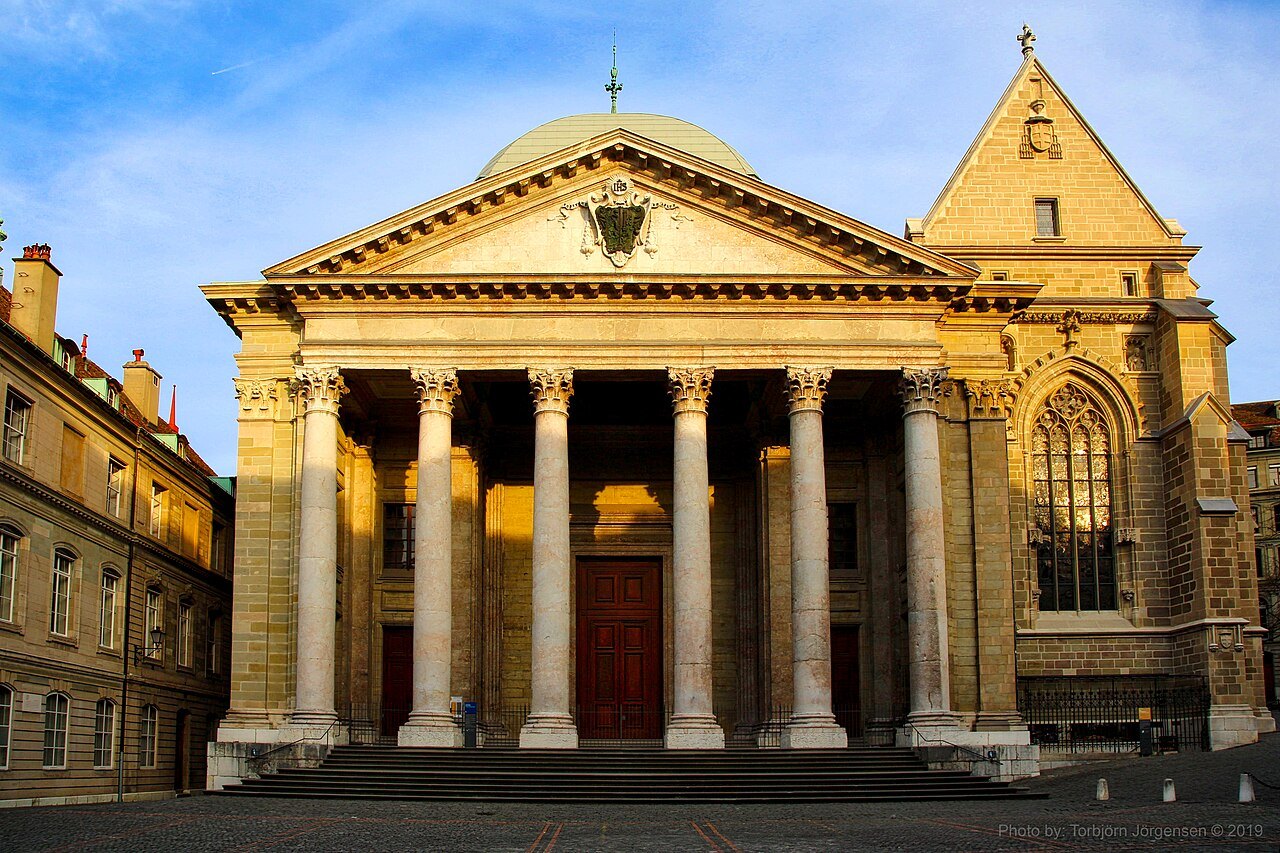
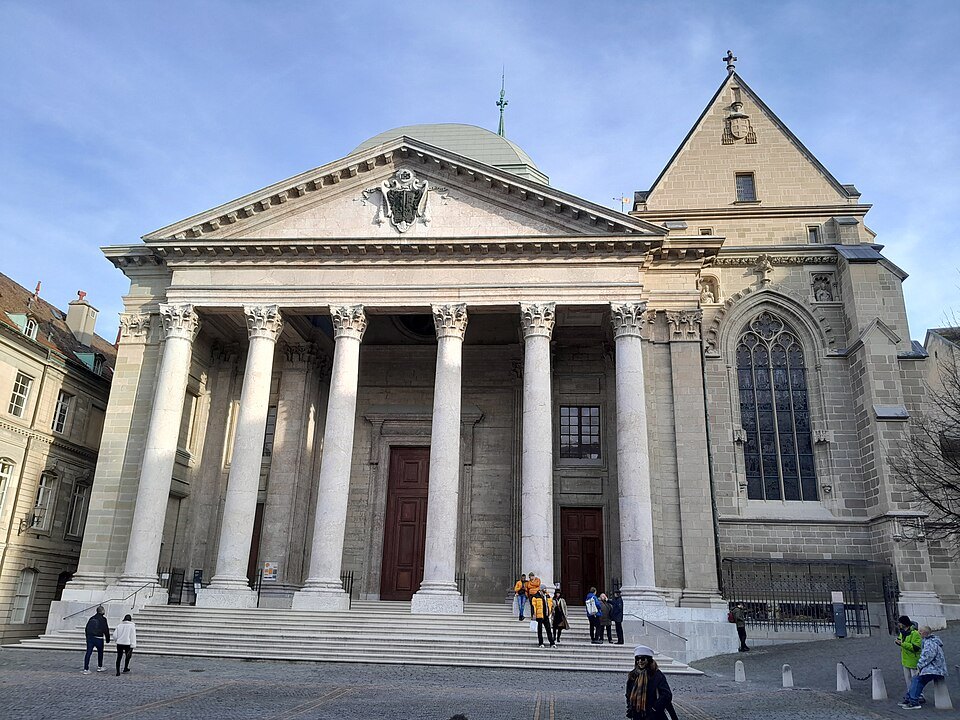
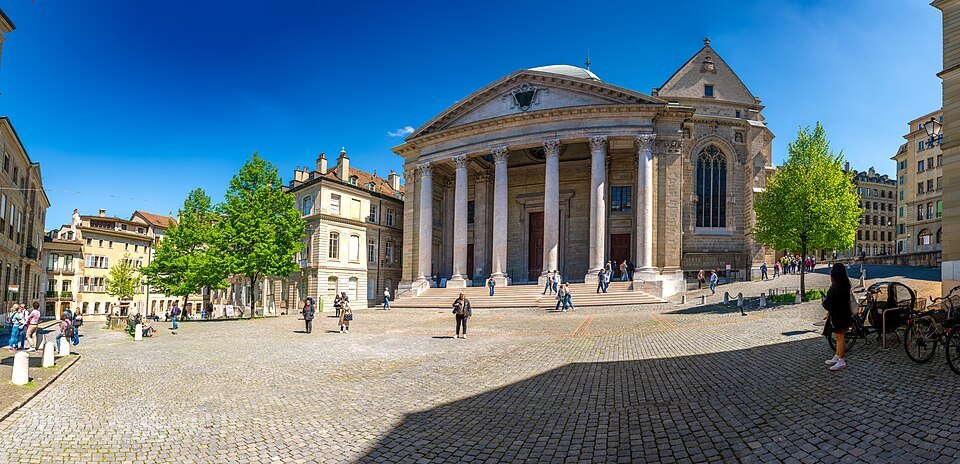
The columned neoclassical front of Saint-Pierre CathedralTorbjorn Toby Jorgensen, Wikimedia Commons, CC BY-SA 2.0 IVThe cathedral on the hill
At the top stands Saint-Pierre Cathedral, begun around 1160, where Calvin preached. The Reformation stripped its interior bare, and a neoclassical front was added in the 18th century. Beneath it an archaeological site runs down to the tomb of an Allobrogian chieftain from the first century BC.
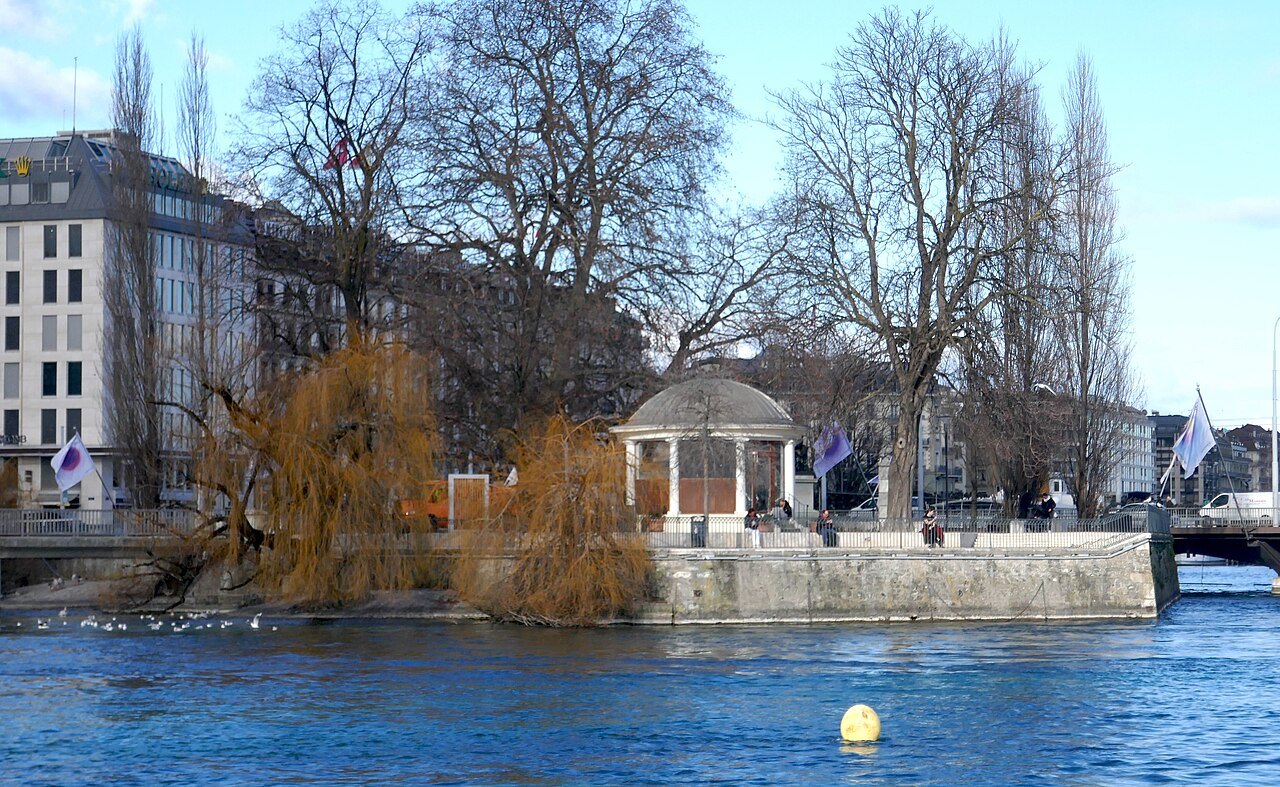
Île Rousseau in the Rhône on a winter day, its pavilion among bare treesMHM55, Wikimedia Commons, CC BY-SA 4.0 VThe island in the Rhône
Down the hill, the Rhône pours out of the lake between the two banks. Île Rousseau, a small island with the philosopher's statue, sits in the current; a little downstream the Pont de la Machine is named for the hydraulic machine built there in 1709 to pump river water to the city's fountains.
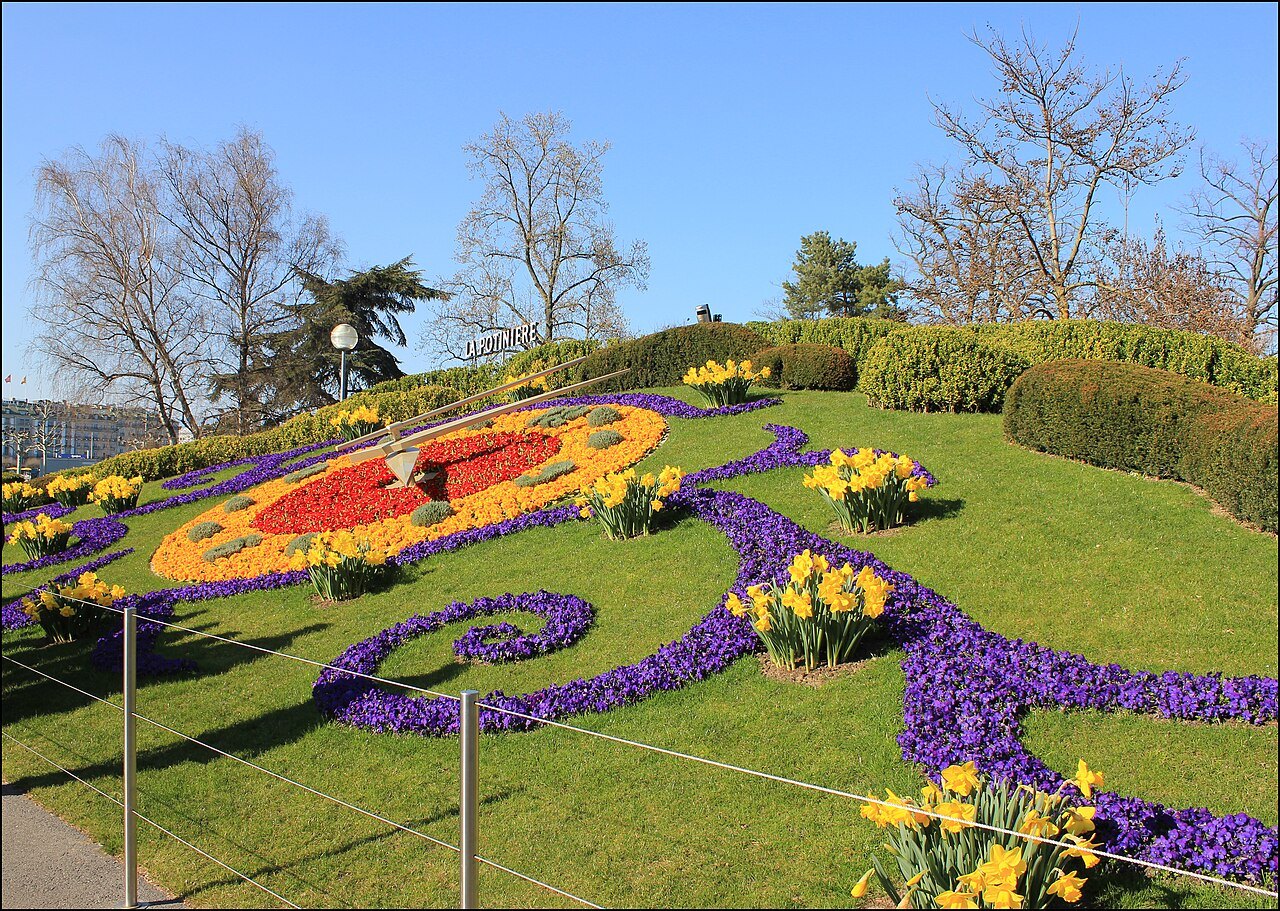
Spring flowers planted in the face of the flower clock in the Jardin AnglaisDaniel CULSAN, Wikimedia Commons, CC BY-SA 4.0 VIThe flower clock
On the left-bank shore, the Jardin Anglais was laid out in 1855. Its flower clock, planted in 1955 and replanted through the seasons, is a working clock face made of flowers, and its 2.5-meter second hand is claimed as the longest in the world.
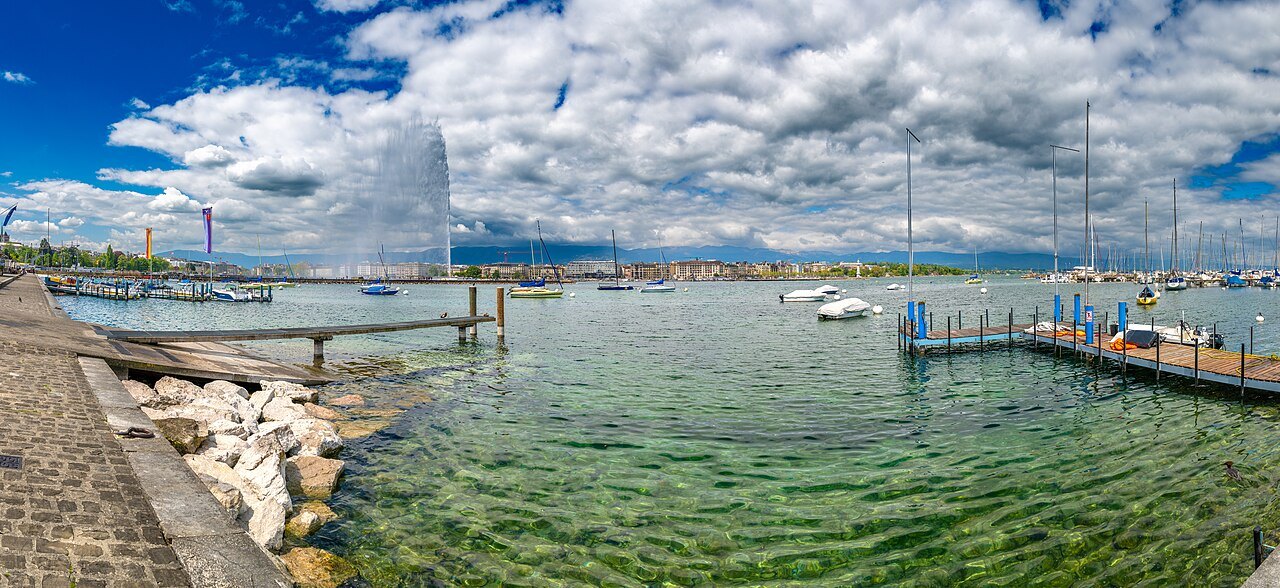
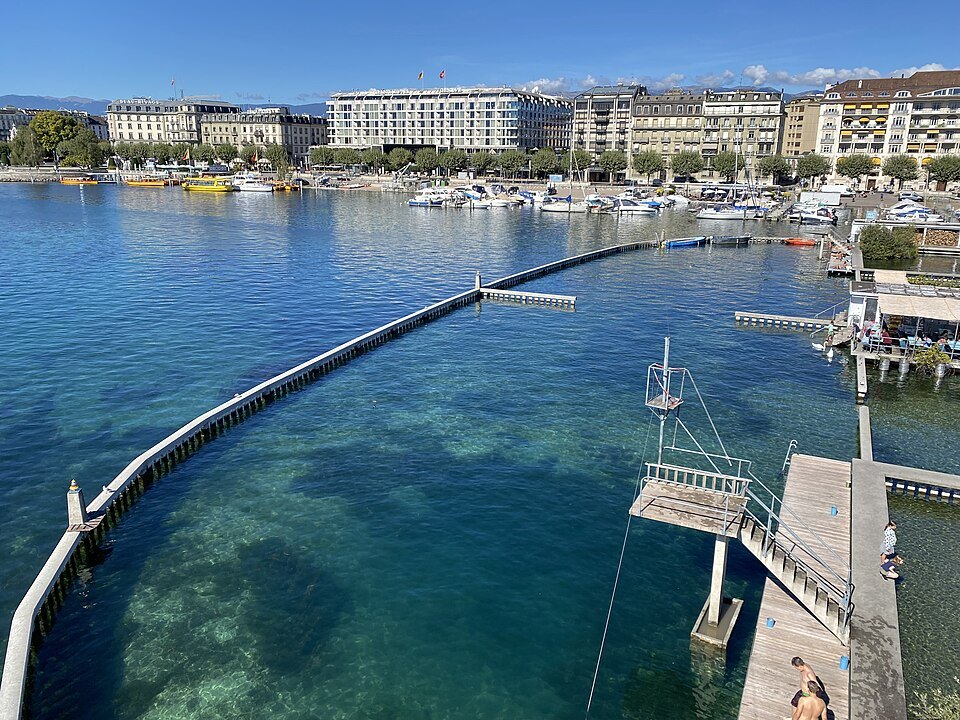
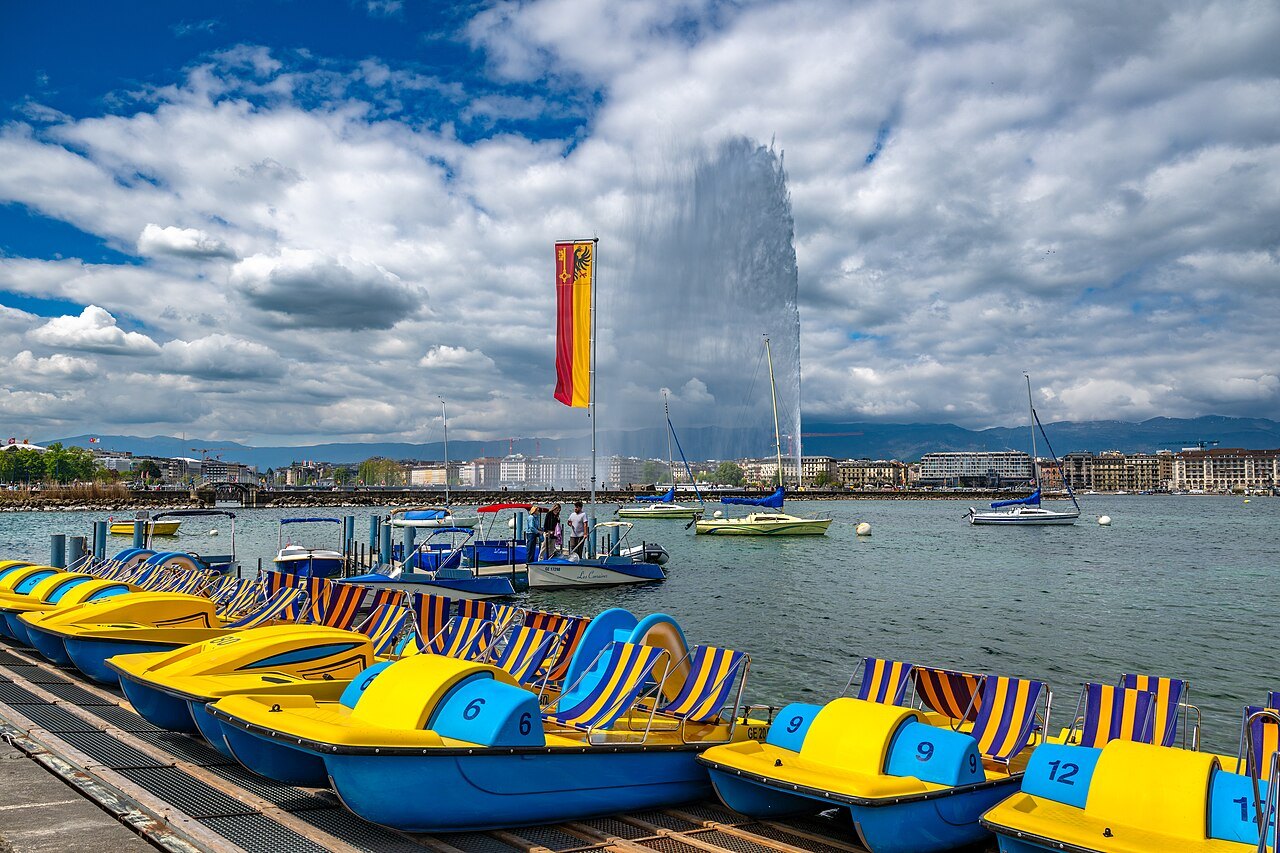
The Jet d'Eau beyond the clear shallows and moorings of the harborKarlheinz Klingbeil, Wikimedia Commons, CC BY 4.0 VIIThe fountain on the jetty
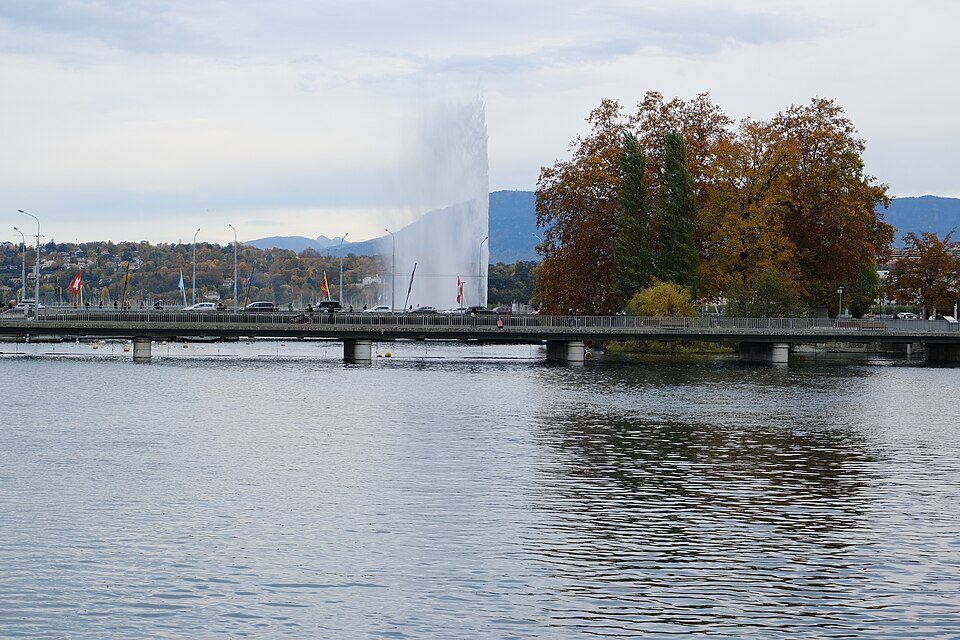
Follow the quay to the Jet d'Eau. It began in 1886 as a safety valve on the city's hydraulic network, moved to the end of this jetty in 1891, and since 1951 has thrown about 500 liters of lake water a second some 140 meters into the air. You can walk out along the stone jetty beside it, and if the wind turns, you will get wet.
Three things to know first
- ArrivingAn airport minutes from the station.Trains from Geneva Airport reach Cornavin, the main station, in about seven minutes. TGV Lyria trains from Paris take between three and a half and four and a half hours, and from Lausanne it is forty to fifty minutes.Getting here
- The streetsWalk the hill, ride the harbor.The old town and the lakefront are close enough to walk. Trams and buses cover the rest, and small yellow water buses cross the harbor between the two banks.Getting around
- The calendarSwim in summer, brace for the bise.In summer the city swims from the Bains des Pâquis. In winter the bise, a cold north-easterly wind, can glaze the quays with ice, and December brings the Escalade.When to come
Switzerland · Canton of GenevaAbout 209,000 peopleFrenchSwiss francA republic until 1815The UN's European home since 1946
Under the gold and the red
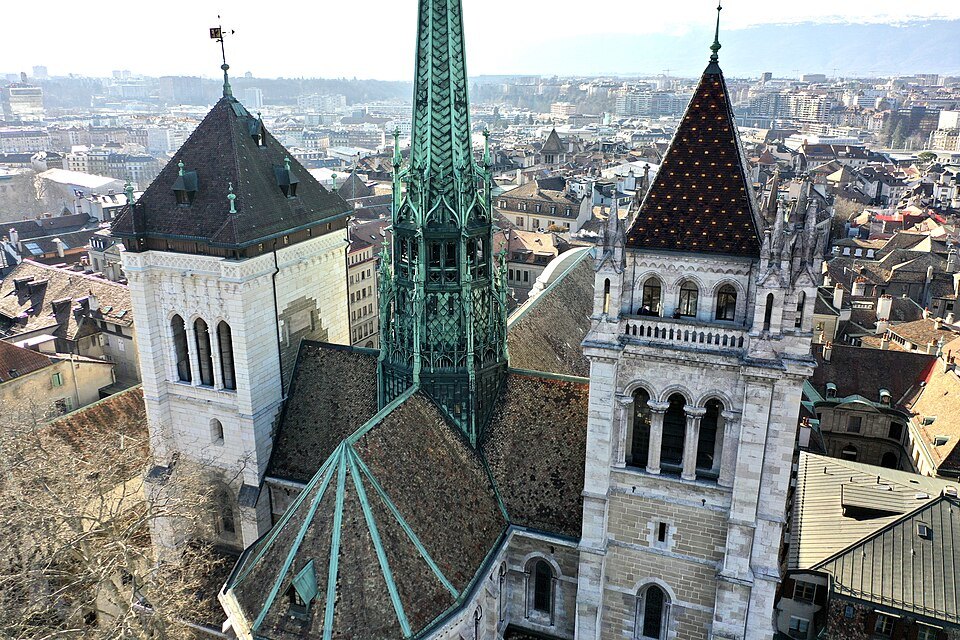 Eighteen places, one page eachThe SightsFrom the Jet d'Eau to the Palace of Nations: what each one is, what you see, and how long to give it.
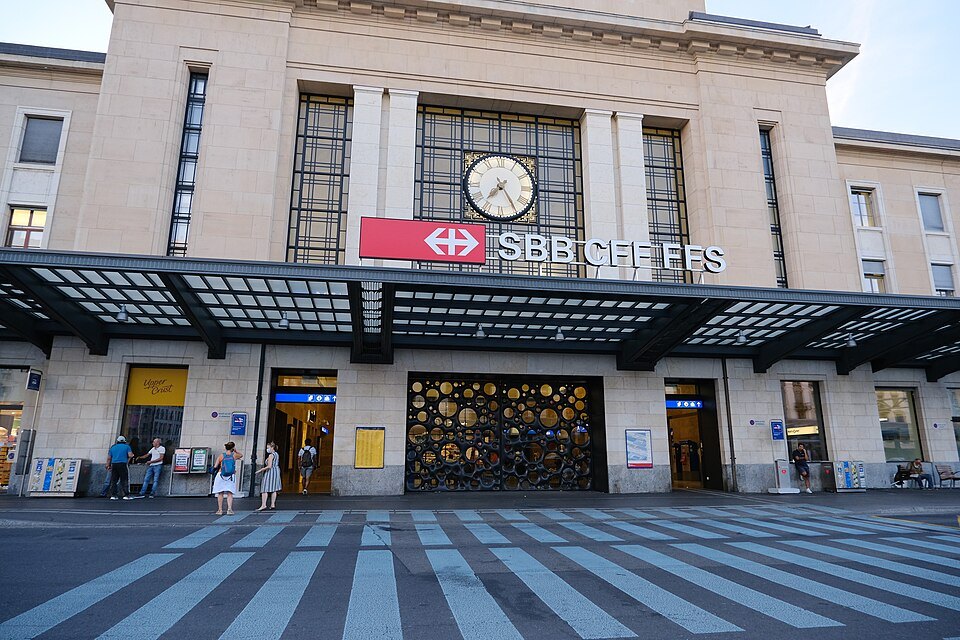 Rail, air and roadGetting HereAn airport minutes from the main station, trains from Paris and across Switzerland, and France on three sides.
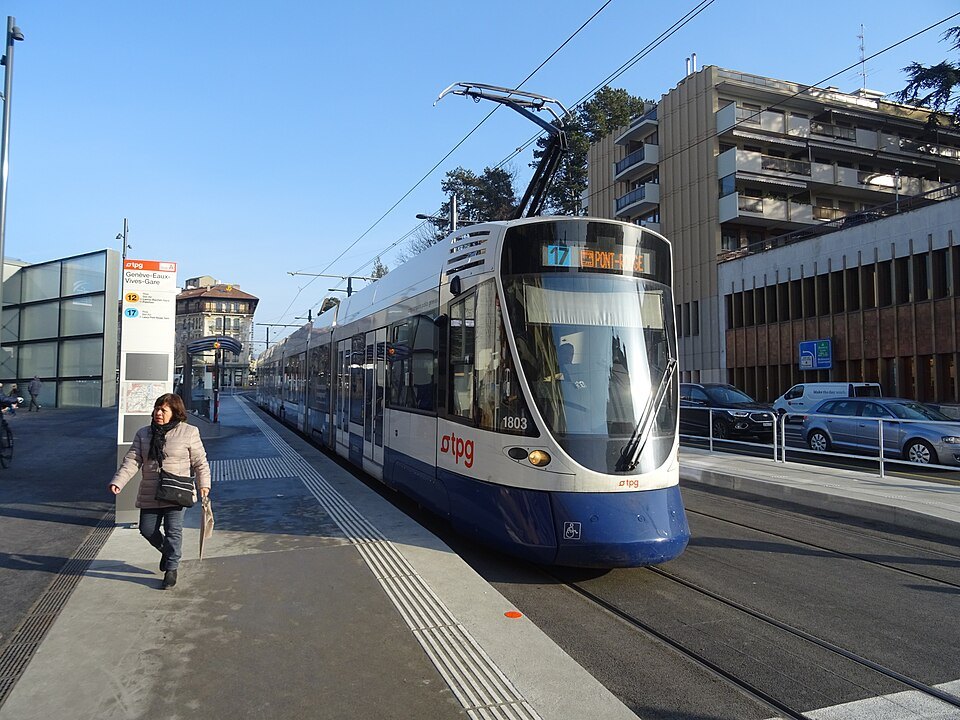 Trams, boats and your feetGetting AroundThe trams and buses, the yellow water buses across the harbor, and how much you can simply walk.
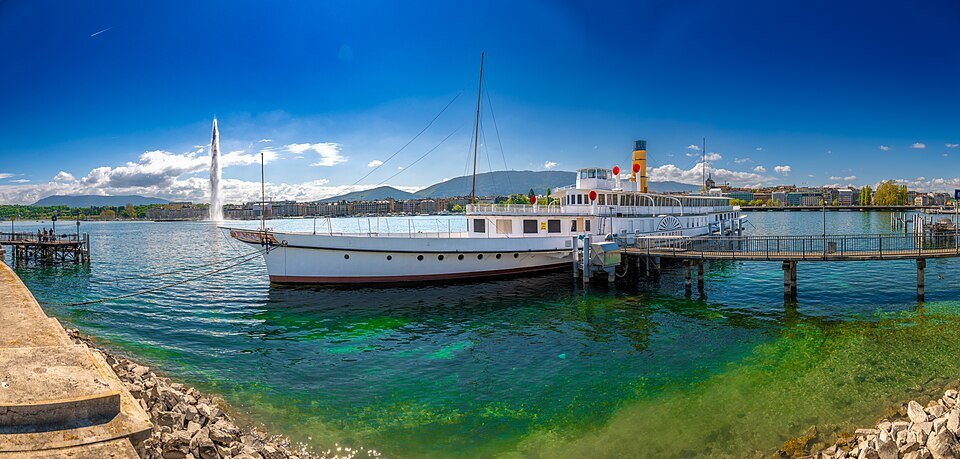
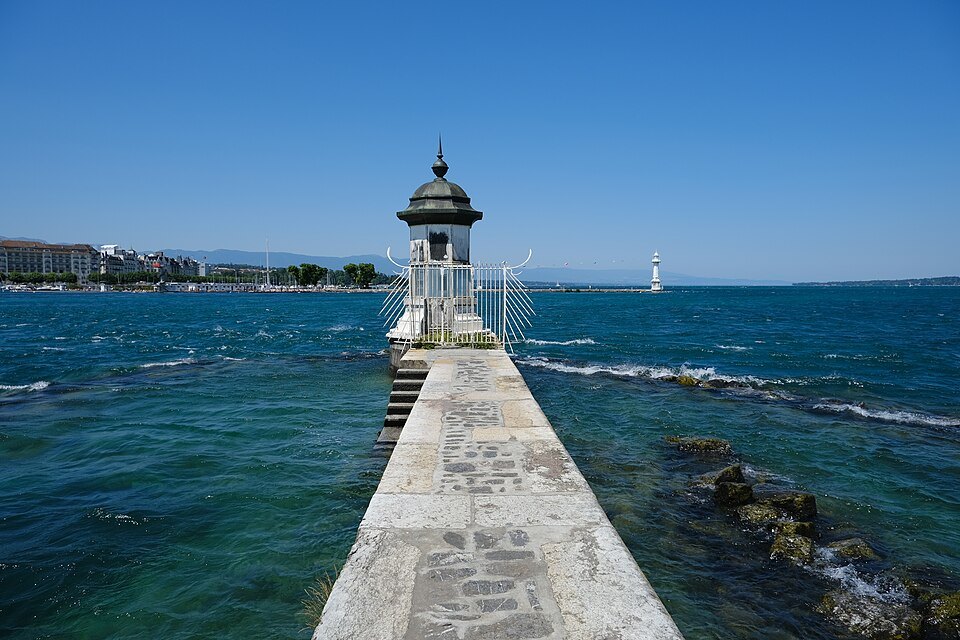 Where Lake Geneva endsThe LakeThe harbor, the boats, where to swim, and the steamers that sail the length of the lake.
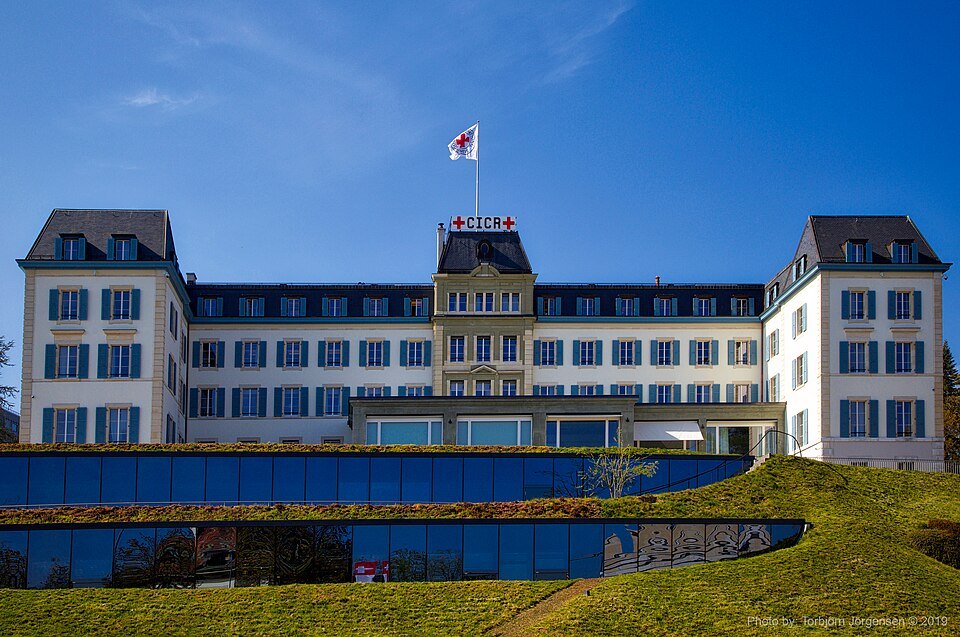 The UN, the Red Cross and the restInternational GenevaWhat the organizations on the right bank are, and which of them a visitor can go inside.
 What to arrange firstBooking AheadThe few things in Geneva worth fixing a time for, and the many that need nothing.
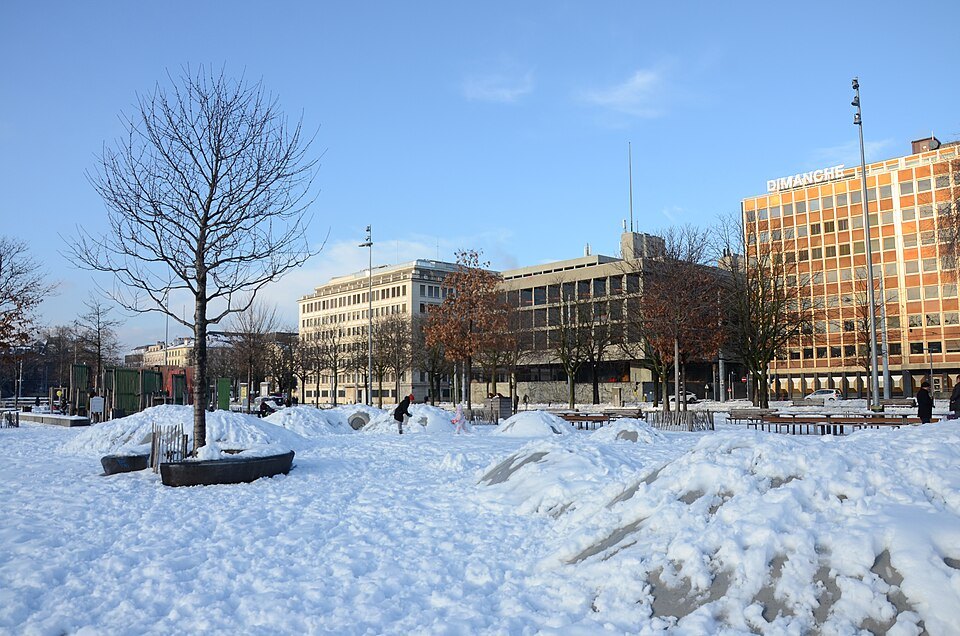 The year in GenevaWhen to ComeSummer on the water, the bise in winter, the Escalade in December, month by month.
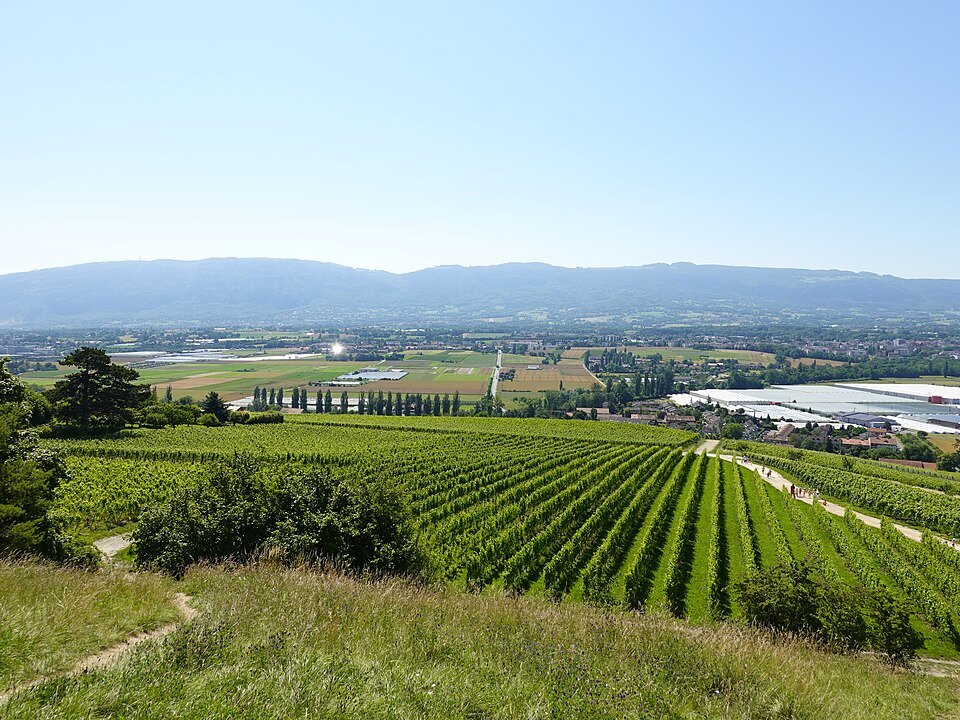 Lake perch and the canton's wineEating & DrinkingThe dishes of Geneva and its lake, the vineyards on the city's edge, and where the city eats.
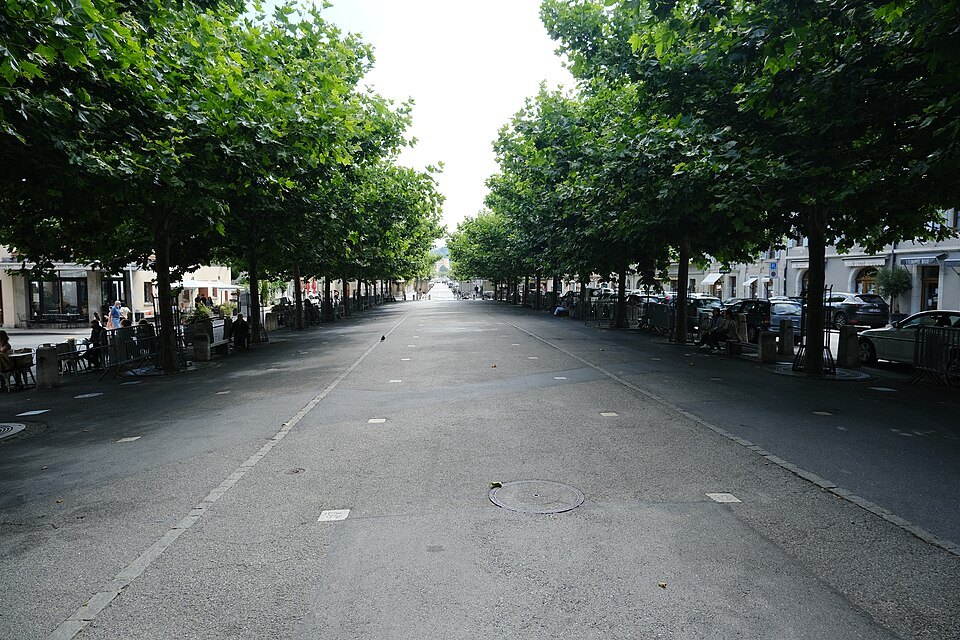 Two banks and a hillWhere to StayEach part of the city for a night or a week, drawn on a map.
 One day, two days, threeItinerariesRoutes by the length of your stay, shaped around the hill, the lake and the weather.
 Lausanne, Annecy, the mountainsDay TripsWhere the trains and the lake steamers out of Geneva lead in a day.
 Questions answered at lengthThe JournalVisitor questions about Geneva, answered in full, with new pieces as they are written.