Home · Sights · The Botanical Garden and the Lakeside Parks
The Botanical Garden and the Lakeside Parks
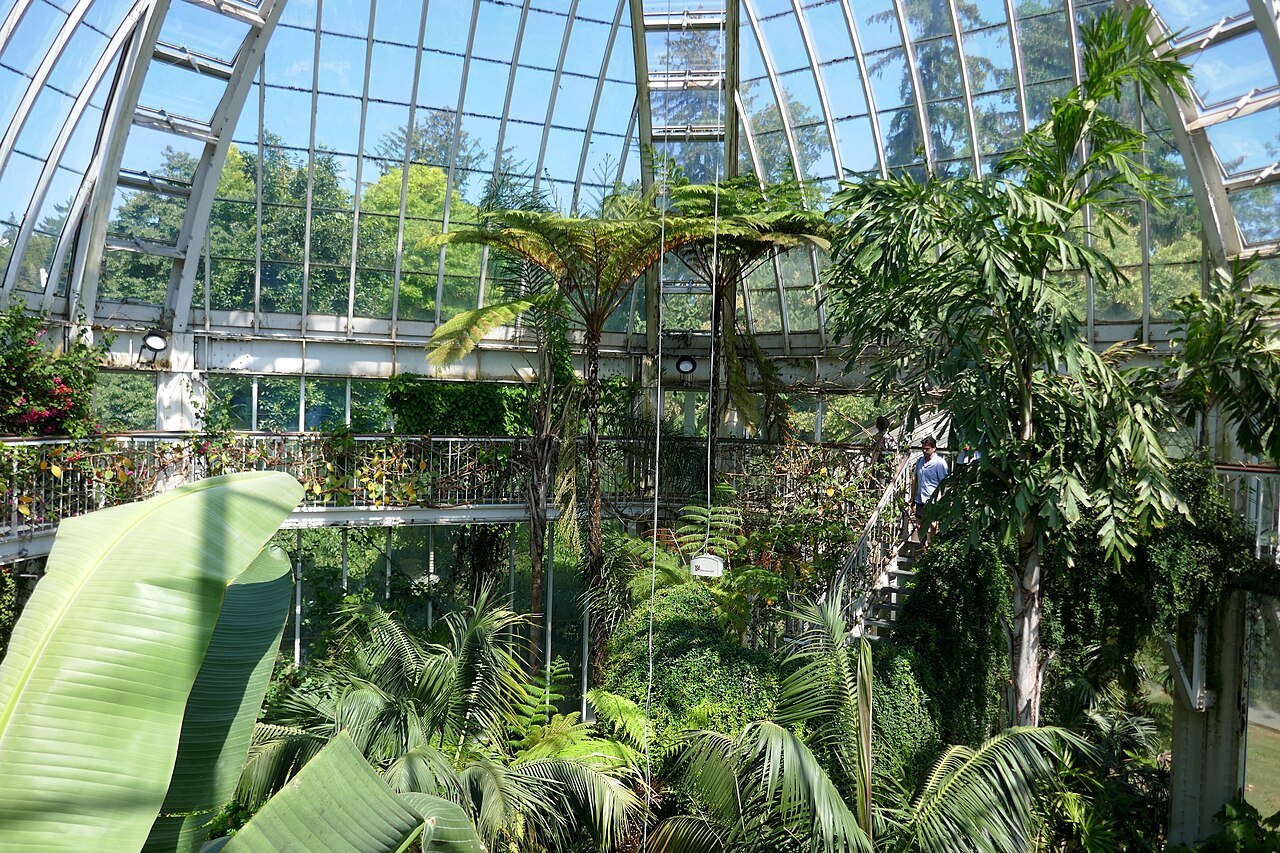
- IThe winter gardenThe glass-and-iron greenhouse of 1910–1911, moved and enlarged in 1935
- IIThe rock gardensRockeries laid out to recreate the regions of Switzerland and the mountain world
- IIIThe arboretumTrees from around the world across the slope above the lake
- IVThe garden of scent and touchPlants chosen to be smelled and handled as much as looked at
- VThe animal parkA small park of 1954 devoted to the conservation of rare breeds
- VIThe lakeside parksPerle du Lac and Mon Repos, running back along the shore toward the Pâquis
From darkness to light
Why it matters
Between the lake and the park of the Palace of Nations lies one of the most important botanical gardens in the world. The Conservatory and Botanical Garden of Geneva covers twenty-eight hectares, grows more than eleven thousand species of living plants, many of them rare and threatened, and keeps a herbarium of more than six million specimens and a library of more than 120,000 volumes.
For visitors it is simply a beautiful place to walk: lawns, glasshouses, rock gardens and old trees on a slope running down toward the water. It recorded about seven hundred thousand visits in 2023, which makes it the most visited attraction in the city.
It also joins a chain of public parks along the right bank. Walk out of its lower gate and you can follow the lake back toward the Pâquis through Perle du Lac and Mon Repos, some of the finest lakeside green space in Geneva.
From the Bastions to the lake
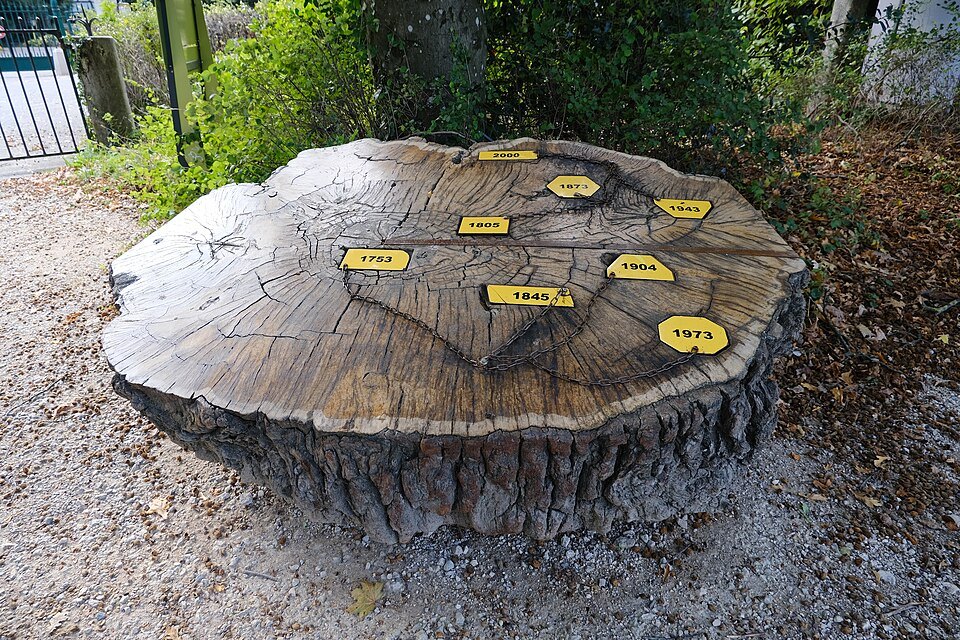
The garden began in the city center. In 1816 the botanist Augustin Pyramus de Candolle accepted the chair of natural history in Geneva on one condition, that a botanical garden be created to support his teaching. It was paid for by a subscription among 284 donors and inaugurated on 19 November 1817 in what is now the Parc des Bastions. De Candolle ran it until his death in 1841.
The general Guillaume-Henri Dufour designed its gardener's house, orangery and hothouses, and a conservatory building for seeds, herbaria and a library followed in 1824 to 1826. From 1869 it held the Delessert herbarium, put together by Jean-Jacques Rousseau for Madelon Delessert.
In 1904, under John Briquet, the institution moved out to the Ariana estate on the right bank. The landscape architect Jules Allemand designed the new garden and its rock gardens, and the architect Henri Juvet built the winter garden in 1910 and 1911.
The garden and the League
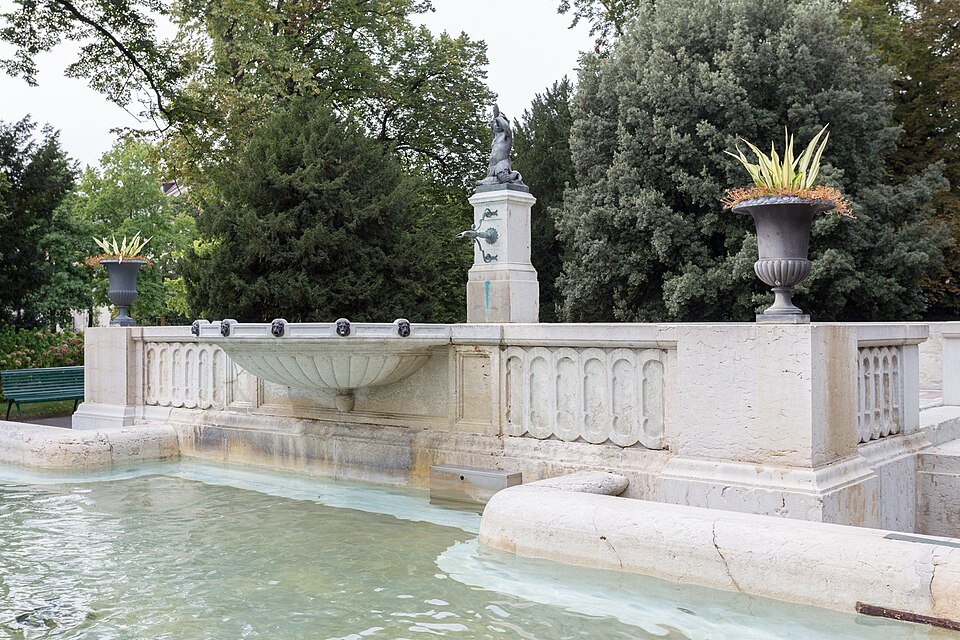
The building of the Palace of Nations reshaped the garden. In 1934, to improve access to the palace, the old Chemin Rigot was straightened and widened into the Avenue de la Paix, cutting into the lower part of the garden. The large greenhouses were moved north onto the former line of the railway, and the tracks themselves were shifted seventy meters west into a curved cutting to hide the trains and soften their noise.
The winter garden was moved and enlarged in 1935 to reach its present form. The orangery followed in 1951 and the small animal park in 1954, and from 1965 a new conservatory was built to hold the herbarium and the library.
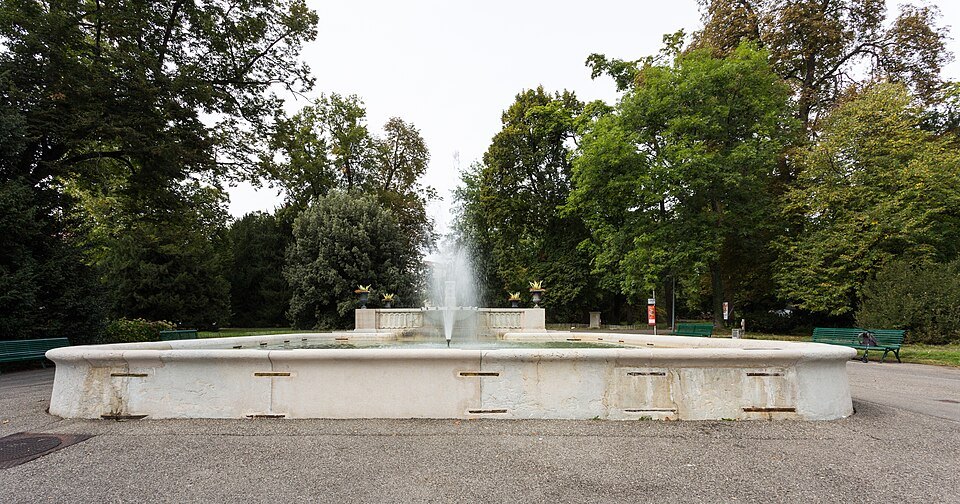
In the 1960s the old square beds, which grouped plants of the same family, were replaced by beds grouped by use or particular features, set out along winding paths: medicinal plants, for example, arranged by their properties. It made the garden easier to read for the general public.
What you actually see
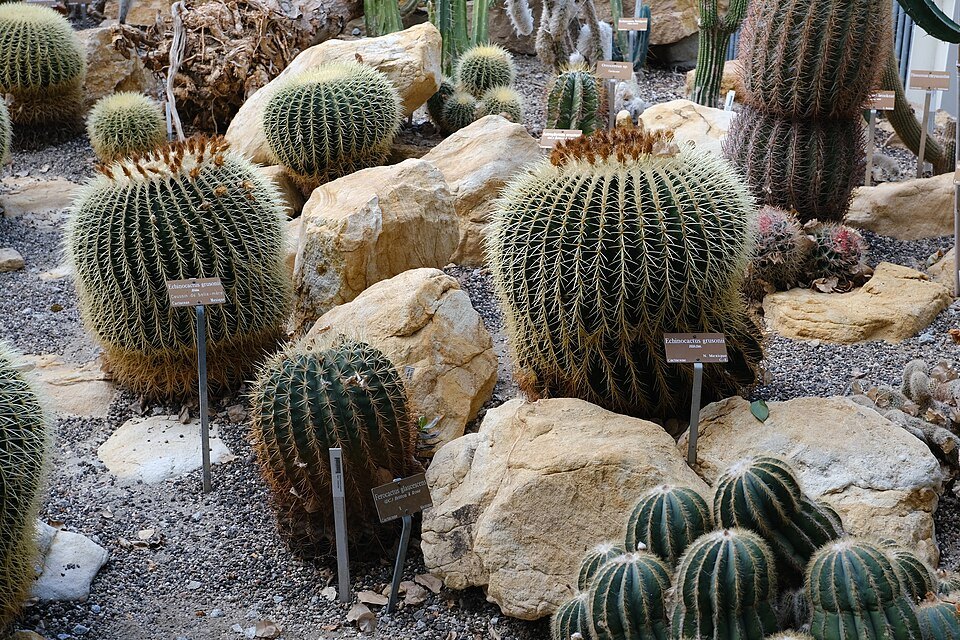
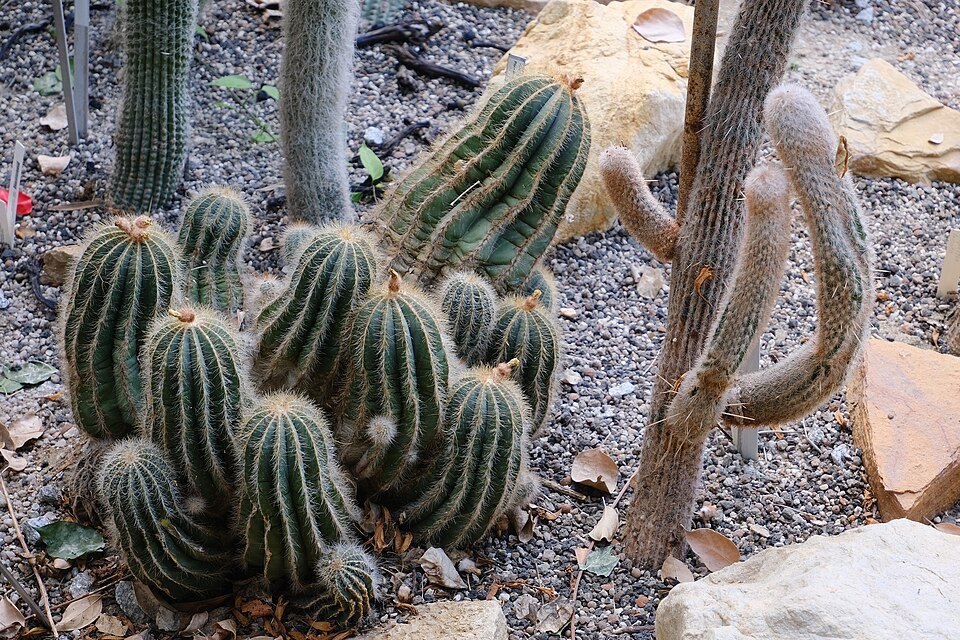
The living collection is divided into sections: an arboretum, rock gardens and a bed of protected plants, medicinal and useful plants, greenhouses, and horticultural plants, including a garden of scent and touch. There is an animal park devoted to conservation and, near the lake, the Botanicum, a family area with a play space and the Carrousel des Fables, a carousel built by a social integration workshop.
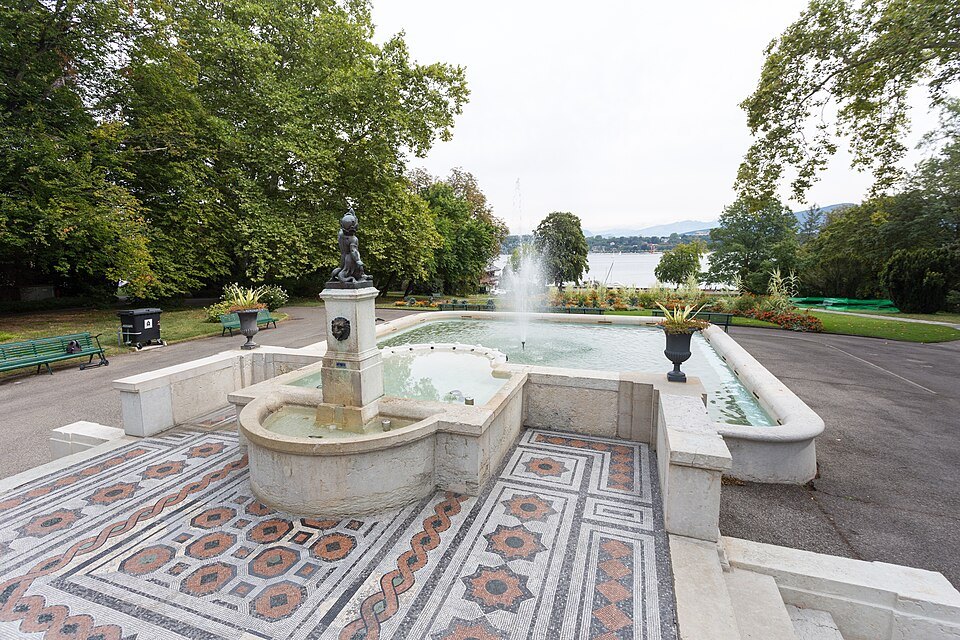
The winter garden is the centerpiece, an elegant structure of glass and iron in the manner of the great nineteenth-century greenhouses. Newer greenhouses finished in 1983 include one that visitors can enter in every season, while others keep plants under climates from cold to hot for conservation.
Since 1 January 2015 the garden has been worked organically, and in 2017 it became the first public garden in Switzerland certified under the Bio Suisse bud label. Its seed bank, founded in 1999, stores the seeds of threatened Swiss plants, especially those of Geneva and the lake region, and the garden, its collections and its two old houses, Le Chêne and La Console, are listed as Swiss cultural property of national importance.
Perle du Lac and Mon Repos
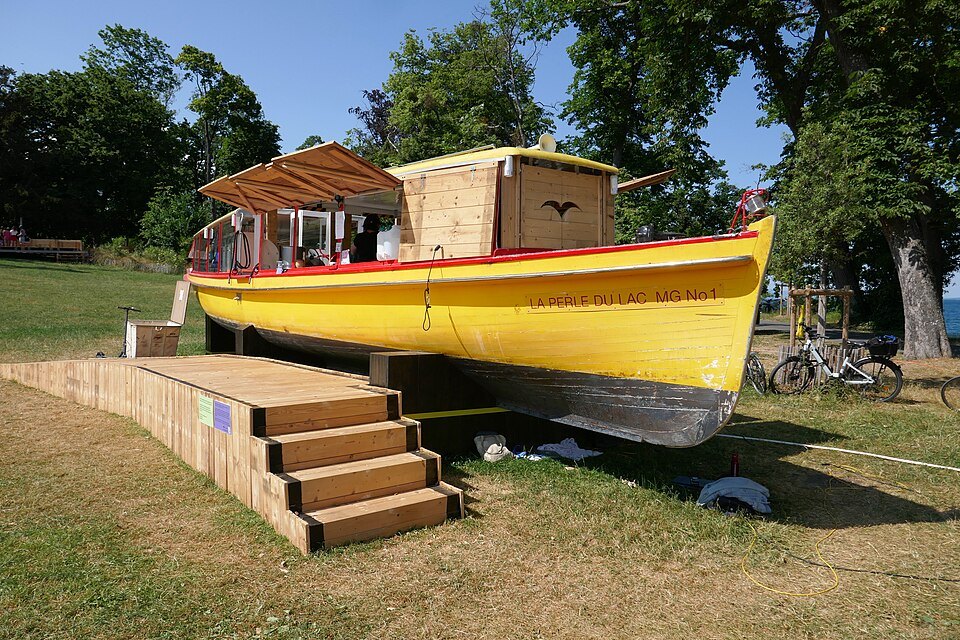
Below and beside the botanical garden, a run of adjoining public parks follows the right bank of the lake back toward the Pâquis: Mon Repos, Perle du Lac, Moynier, Barton and William Rappard. Together they make a long green walk by the water.
Mon Repos was left to the city by the Plantamour family in 1898 and was the first public park on the shore of the lake. Every year on 11 November an official ceremony in the park commemorates the Armistice of 1918.
Perle du Lac is said to take its name from the wife of Hans Wilsdorf, the founder of Rolex, who is supposed to have called it the pearl of the lake. It has a wide flowering lawn, a Florentine-style villa of 1829 that holds the city's Museum of the History of Science, and a restaurant terrace with a view across the lake to the Jet d'Eau and, in clear weather, Mont Blanc behind.
How to visit
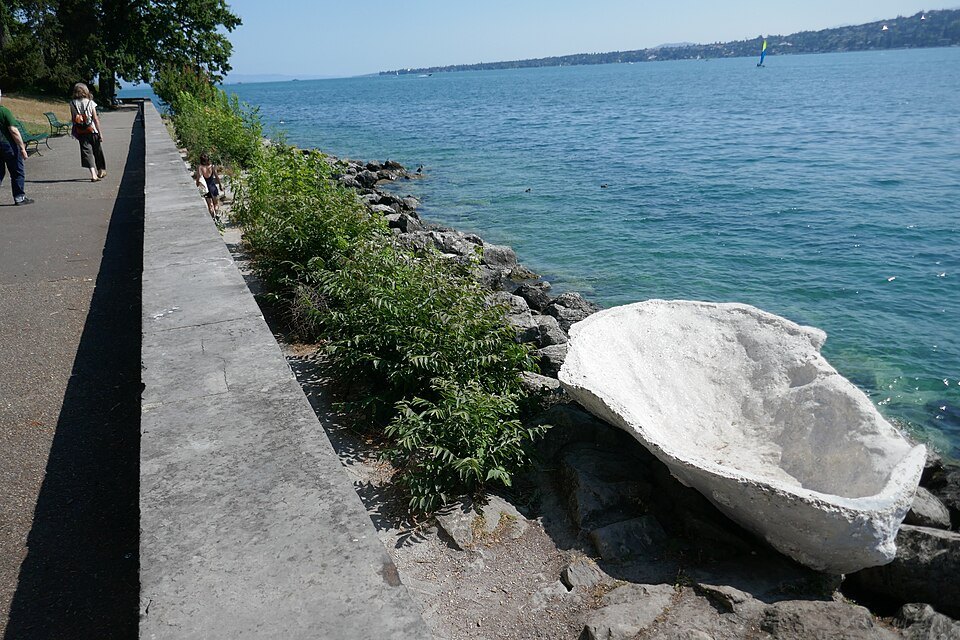
Give the garden an hour and a half, and more if you continue along the lakeside parks. The main entrance is near the lake at the end of the Avenue de la Paix, a short walk from the Place des Nations, and the lakefront path leads back to the Pâquis on foot.
The yellow Mouettes water buses of line M4 call at the De-Chateaubriand landing, close to Perle du Lac. Garden and parks combine well with the Palace of Nations, the Red Cross and Red Crescent Museum and the Musée Ariana up the hill.
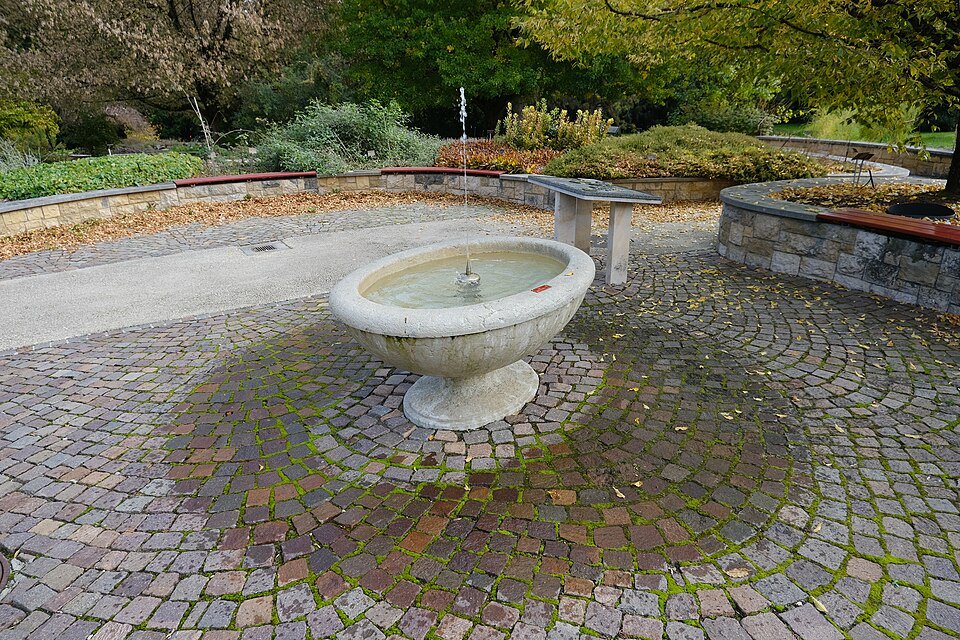
The staff can identify wild plants brought in by the public, and the garden runs guided visits, talks, exhibitions and workshops for children and families; its own site lists what is on.
Nearby
- A few steps awayThe Musée ArianaA collector's palace of 1877–1884, named for his mother and left to the city, that now holds Switzerland's museum of ceramics and glass beside the Palace of Nations.Read the page
- A few steps awayThe Palace of Nations and the Broken ChairThe palace built between 1929 and 1938 for the League of Nations and home to the United Nations since 1946, with the Place des Nations, its twelve-meter Broken Chair, and the long avenue of flags in front.Read the page
- A few steps awayThe Bains des PâquisPublic lake baths of 1932 on the right-bank jetty, saved by a popular vote in 1988 and run by their users ever since: swimming in summer, sauna and fondue in winter, and the Jet d'Eau across the water all year.Read the page