Home · When to Come
Month by month
- Winter and the bise
- Spring in the parks
- Summer on the water
- Autumn and the harvest
- JanuaryCool and often gray, with light frosts at night; the Geneva Lux festival of light fills the streets and squares in the second half of the month.
- FebruaryStill winter, and the month when the bise can glaze the quays and railings with ice; the museums and the old town come into their own.
- MarchThe first mild days along the lake, bare trees on the quays, and the city between seasons; pack for rain and cold alike.
- AprilSpring arrives in the parks, and the watch fair at Palexpo brings its trade and public days; rooms can be scarce that week.
- MayOne of the best months for walking: the parks in flower, the trees on the quays in leaf, and long evenings starting.
- JuneThe roses at Parc La Grange, the Bol d'Or regatta on the lake, and the Fête de la Musique filling the city with free concerts.
- JulyHigh summer: swimming at the Bains des Pâquis and the public beaches, paddle steamers on their fullest timetable, and the city's busiest lakefront.
- AugustWarm, lively and bright on the water; the heat can build, and the lake is the place to be.
- SeptemberSettled weather in good years, the lake still warm from summer, fewer crowds, and the Jeûne genevois, the canton's own public holiday.
- OctoberAutumn color in the parks, cooler days, and the start of the slightly wetter season.
- NovemberGray, damp and quiet, a month for museums, fondue and the old town's cafés.
- DecemberThe Escalade around the twelfth, with the costumed procession, the run and the chocolate marmites, and the Coupe de Noël swim in the harbor.
When to Visit Geneva
The short version
For the lake at its best, come between June and September, when people swim at the Bains des Pâquis and the public beaches, the paddle steamers run their fullest timetable and the terraces along the water are full. For walking the city and its parks with fewer people, May and September are the most comfortable months.
Winter has its own reasons. The Geneva Lux festival of light in January and the Escalade in December are two of the city's great public events, and both are free to walk around. Pack for cold and wind: the bise can make a clear winter day on the quays feel far colder than the thermometer suggests.
The climate
Geneva has a temperate, oceanic climate. Winters are cool, usually with light frosts at night and thawing during the day; summers are relatively warm. Rain is fairly evenly spread through the year, although autumn is a little wetter than the other seasons. Over the decade from 2000 to 2009 the mean yearly temperature was eleven degrees Celsius, with about two thousand hours of sunshine a year.
The extremes are wider than the averages suggest. The highest temperature recorded at the airport was nearly forty degrees, in July 2015, and the lowest was minus twenty in February 1956. Snow falls on the city only in some years, but the mountains nearby receive a lot of it, and the ski resorts are within reach.
Whatever the season, watch the sky to the south and east. Mont Salève, at 1,379 meters just across the French border, dominates the southern view from the center, and Mont Blanc, the highest summit of the Alps, can be seen from most of the city when the air is clear. A clear day is the one to spend on the quays and the bridges.
The bise
The weather feature every Genevan talks about is the bise, a cold northeasterly wind that funnels down the lake. It blows when air pressure in northeastern Switzerland is higher than in Geneva, and it can blow for days.
In winter it can bring severe icing to the lakeside. In the hardest spells ice builds up on the lakeside quays, railings and trees. On a bise day the Jet d'Eau is often stopped, since the fountain is shut down in frost and in strong wind.
In practice this means a warm hat and a windproof layer for any winter visit, and a plan for indoor time: the Musée d'Art et d'Histoire, the Ariana, the Red Cross and Red Crescent Museum and the cathedral's archaeological site.
Summer on the water
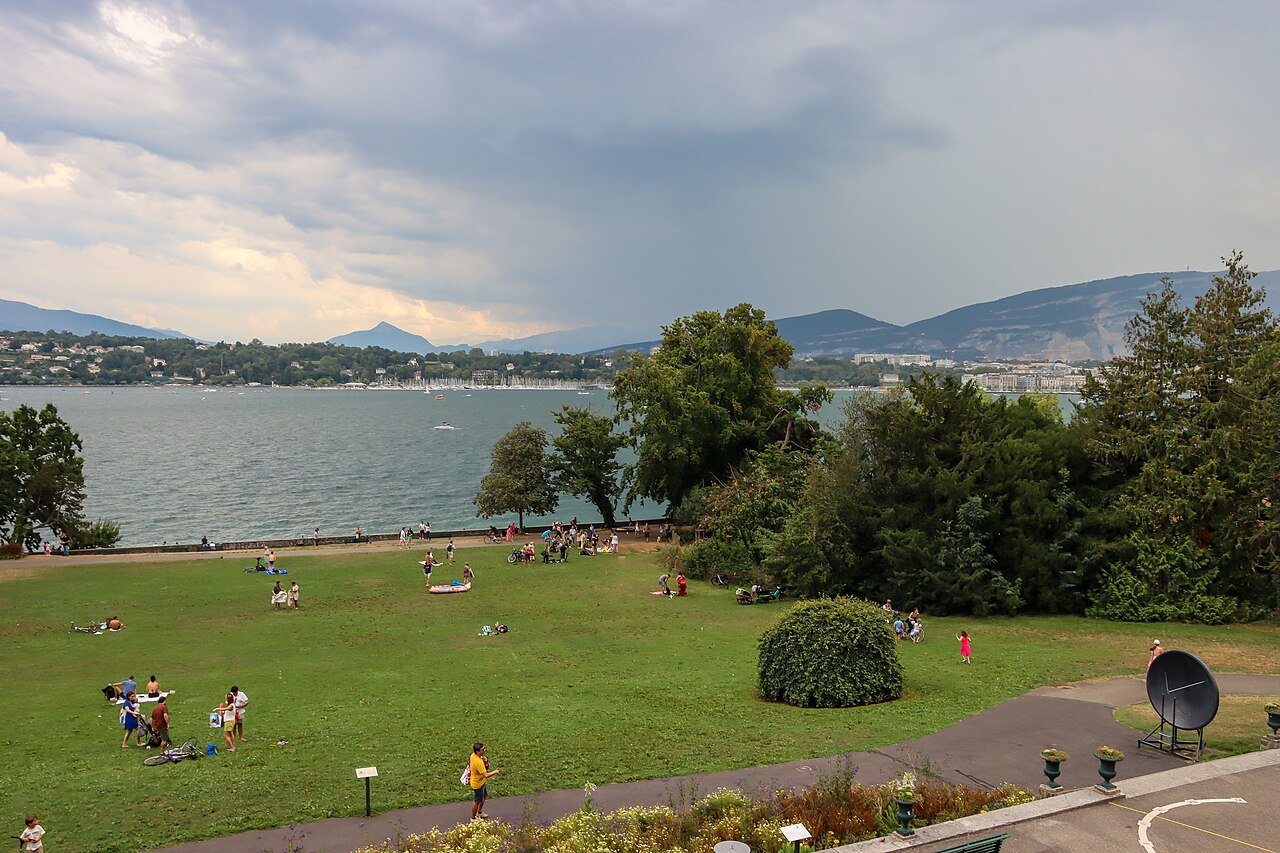
Summer is when Geneva turns toward the lake. The Bains des Pâquis fill with swimmers, the Plage des Eaux-Vives and Genève-Plage fill along the left bank, and the Mouettes and paddle steamers are busy. The lake, once dangerously polluted, is again considered safe to swim in.
In June the Société Nautique de Genève runs the Bol d'Or, first held in 1939, a race to the far end of the lake and back with close to six hundred sailboats on the start line. The Fête de la Musique, held over three days in June, fills stages, parks, churches and museums across the city with free concerts in every style.
The heat can be strong in July and August. Walk the old town early or late, spend the middle of the day by the water, and remember that the old town hill is steeper than it looks on a map.
Winter in the city
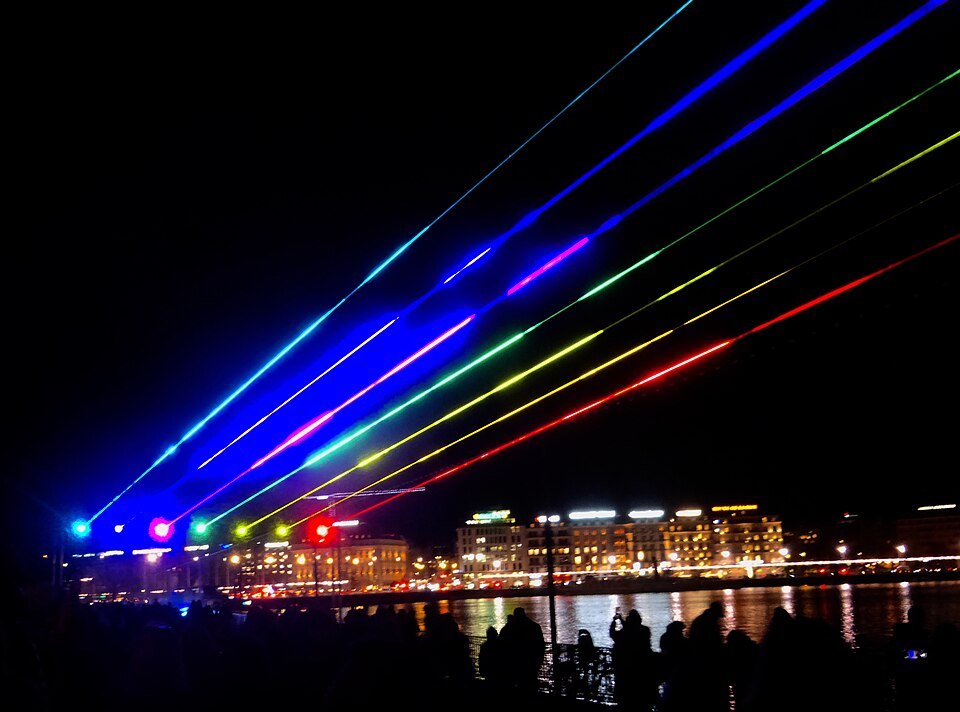
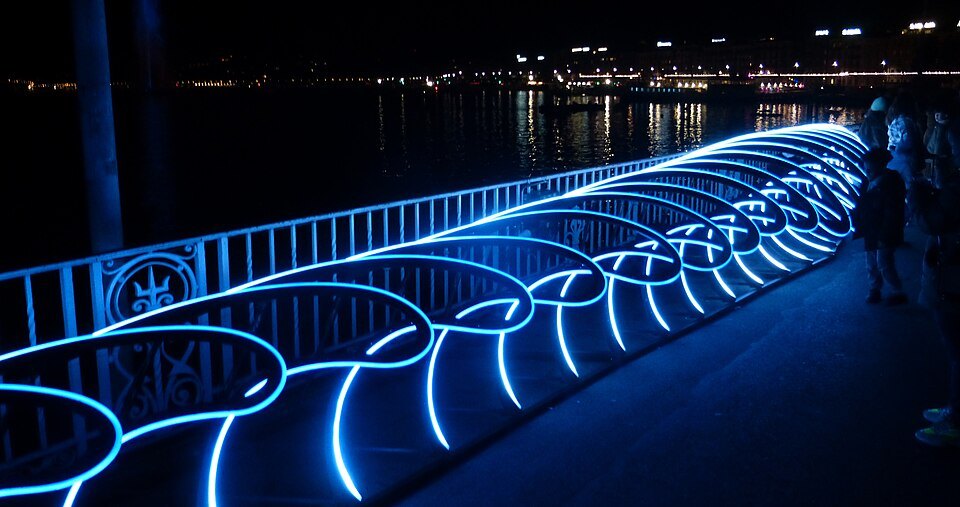
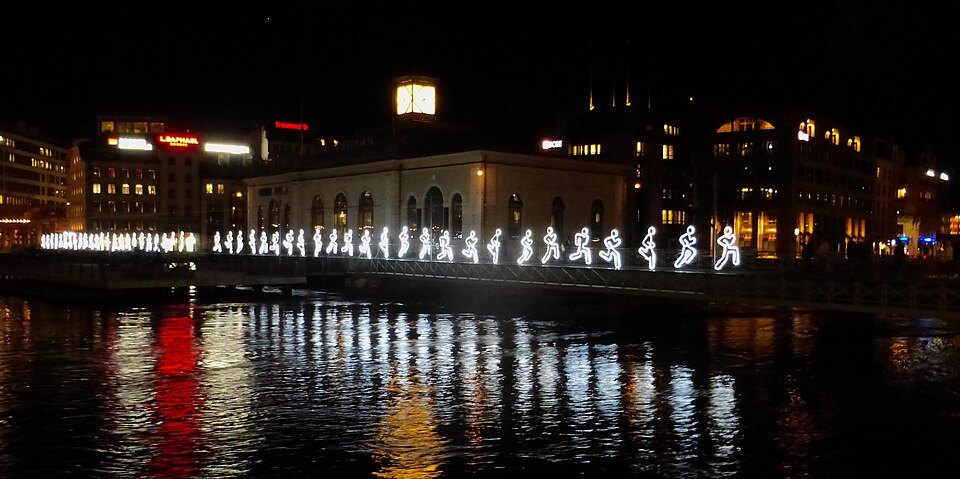
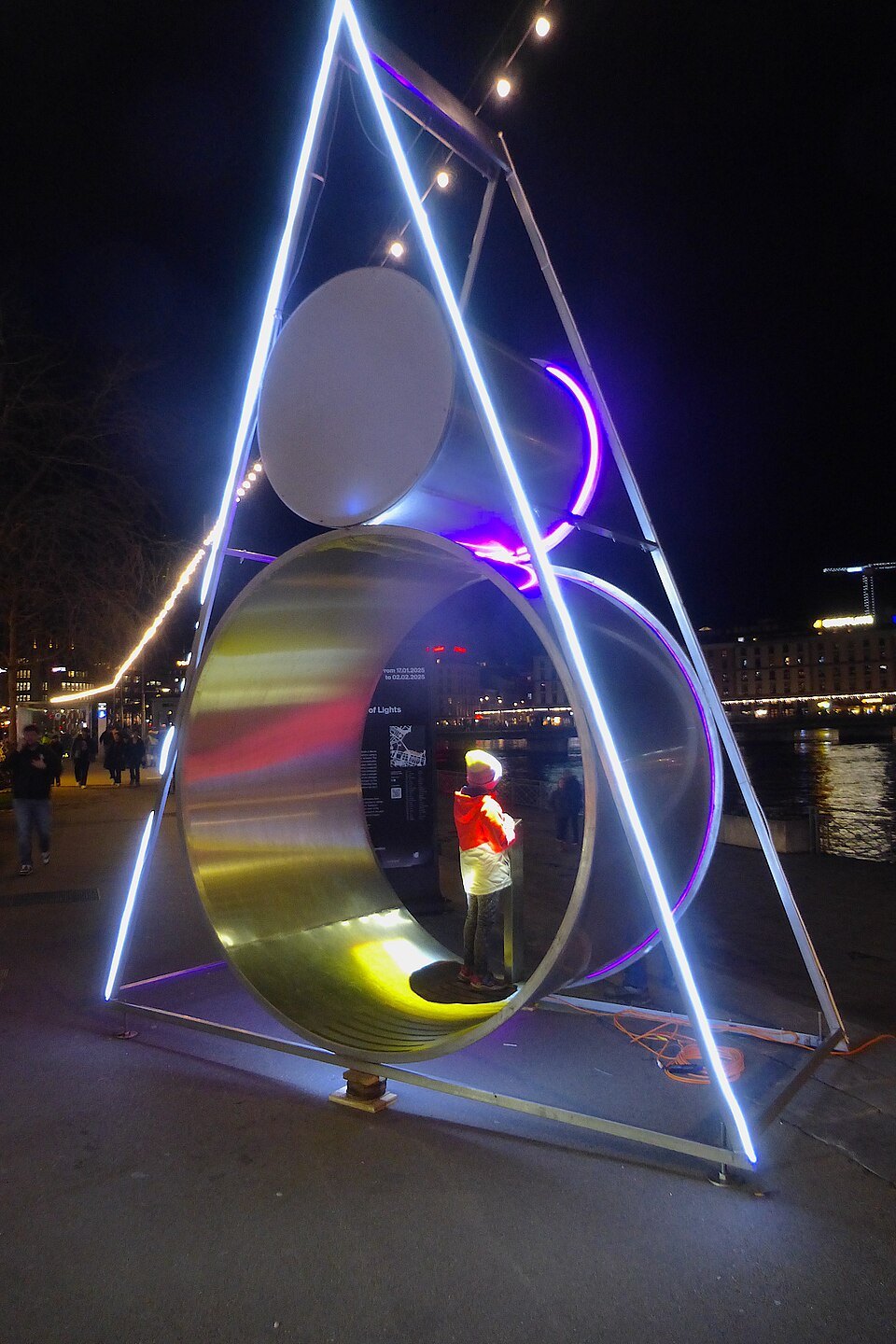
The Geneva Lux festival of light runs for about two weeks in January, turning streets, squares and the lakeshore into an open-air gallery of light installations; in 2026 its installations included a transformation of St. Pierre Cathedral.
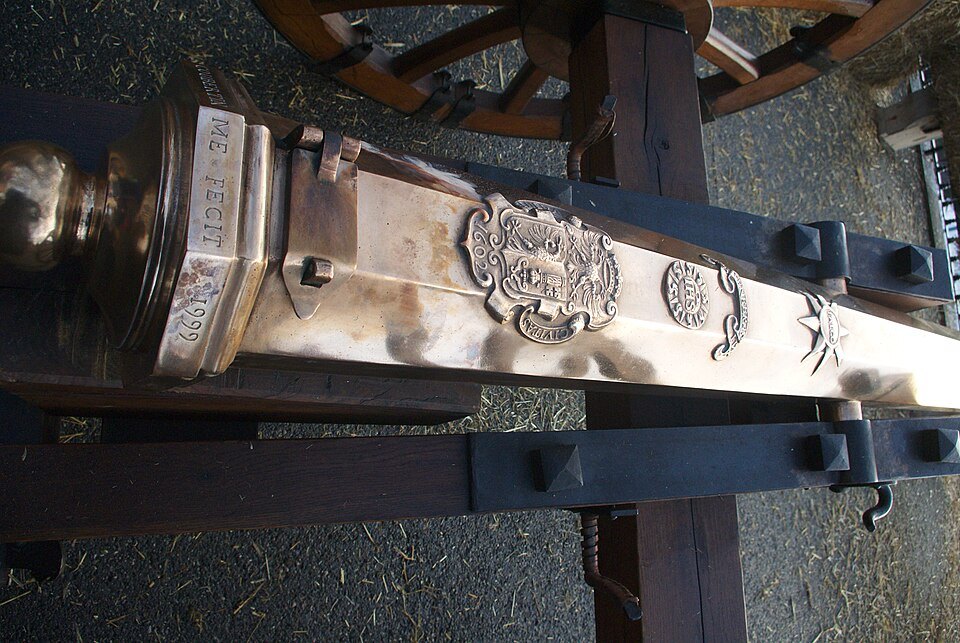
The Escalade is the great winter celebration. It commemorates the night of 11 to 12 December 1602, when the Duke of Savoy's troops tried to scale the city walls and were driven back, and it is marked around 12 December or the nearest weekend. There is a parade on the Friday evening, a Sunday procession of some eight hundred people in historical costume, and the Course de l'Escalade, the largest running event of its kind in Switzerland, through the old town.
In December, too, swimmers take to the harbor for the Coupe de Noël, a short race in cold water watched from the quays.
Dates to know
A few dates change how the city feels. The Jeûne genevois, a public holiday specific to Geneva, falls on the Thursday after the first Sunday in September, and it is a day off across the canton.
On 1 August, the Swiss national day, the Pont du Mont-Blanc flies the flags of all twenty-six cantons. On 31 December Geneva commemorates the Restoration of the republic, marking the departure of Napoleon's troops in 1813, alongside the ordinary New Year celebrations.
The Jet d'Eau is not a year-round certainty. It is stopped in frost and strong wind, and it has a maintenance stop each year, so a winter visitor may find only the jetty. If seeing it at full height matters, the warmer months are the safer bet.
Big events fill the hotels. The watch fair in April, which drew fifty-five thousand visitors in 2025, is the one to check against your dates before you book, and the Escalade weekend in December brings tens of thousands of spectators into the old town.
Spring and autumn
Spring and autumn are the quiet, practical seasons. The parks along both banks come into leaf and flower from April and May, and the rose garden at Parc La Grange, with some two hundred varieties, blooms from late spring into summer.
In April the watch industry gathers at Palexpo for Watches and Wonders, which has opened days to the public since 2022; if your trip overlaps, book accommodation early.
September and October bring the autumn harvest to the vineyards of the canton, which produces around a tenth of Swiss wine and has the densest vineyards in the country, and color to the parks. They are good months for day trips, before the short days of November.
More photographs
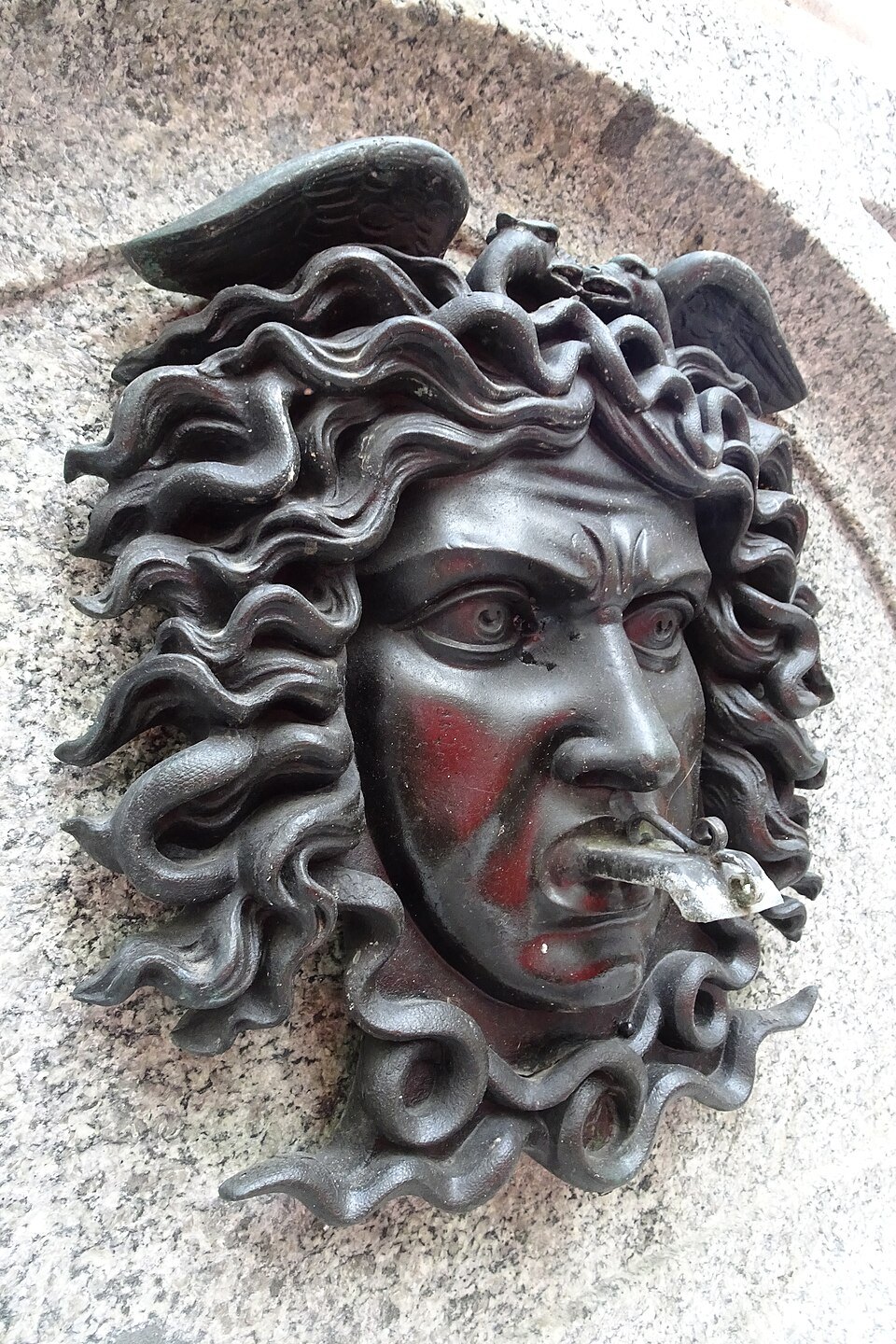
A gorgon's head carved on the Escalade fountainMHM55, Wikimedia Commons, CC BY-SA 4.0 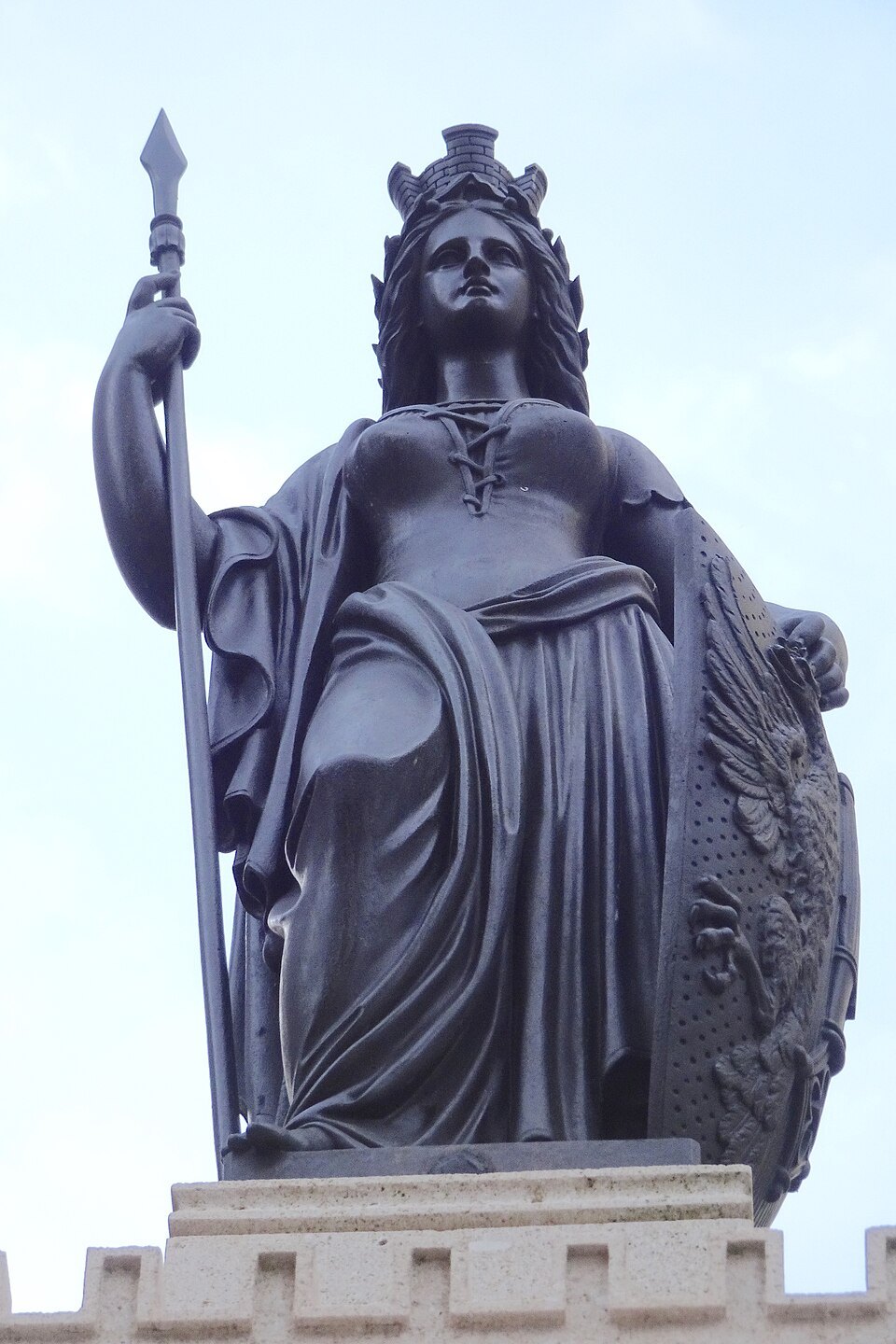
A bronze statue of Geneva with spear and shield atop the Escalade fountainMHM55, Wikimedia Commons, CC BY-SA 4.0