Home · Getting Here
Where each arrival puts you
By air
Geneva Airport, still often called Cointrin, lies about four kilometers northwest of the center, entirely inside Switzerland but with its northern edge on the French border. It has its own railway station under the terminal, and it is a base for Swiss and easyJet with flights mainly to European cities and some long-haul routes.
- Airport station to Geneva main station
- about seven minutes by train
- Airport to Lausanne
- direct trains, no change
- Airport to Bern and Zurich
- direct intercity trains
Most arrivals use Terminal 1. Terminal 2 serves only winter charter flights, with passengers bussed to and from the main building.
By train
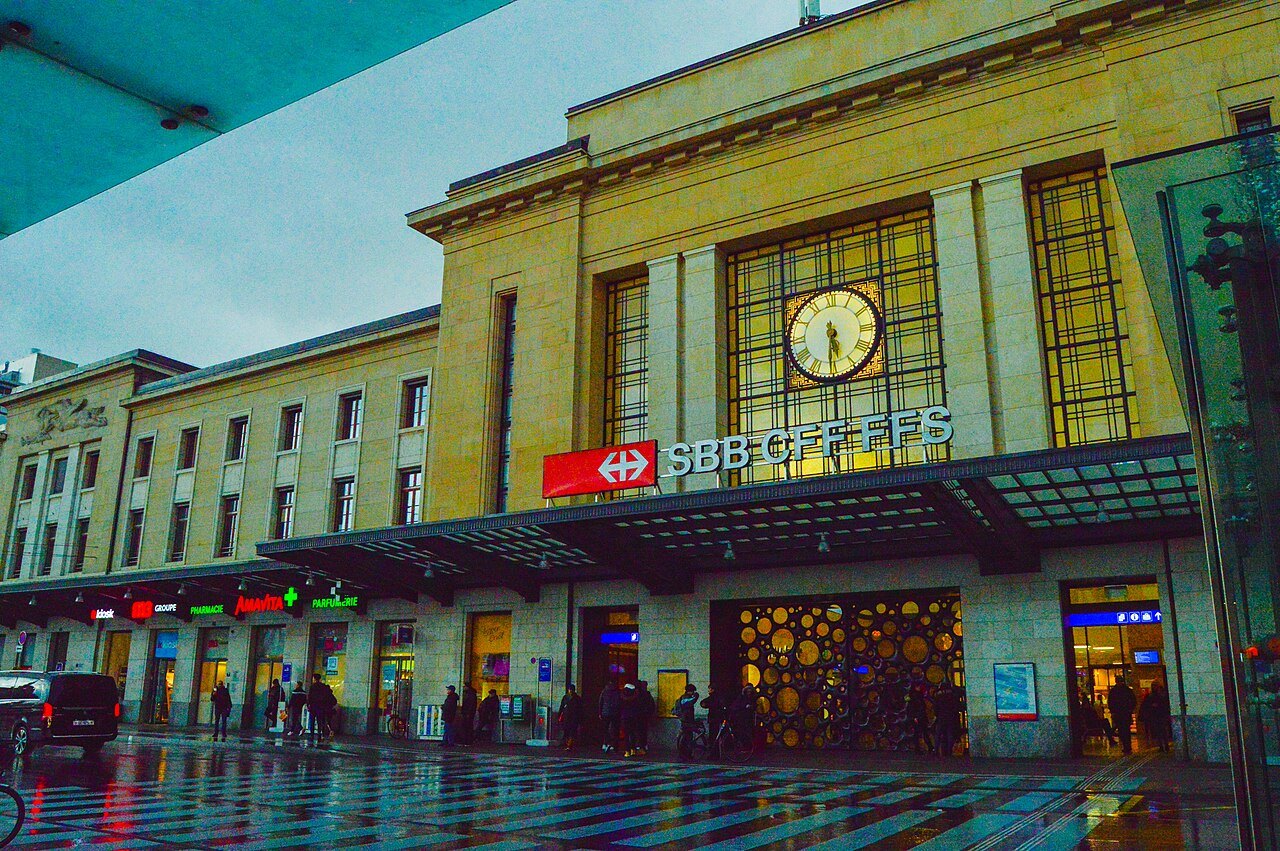
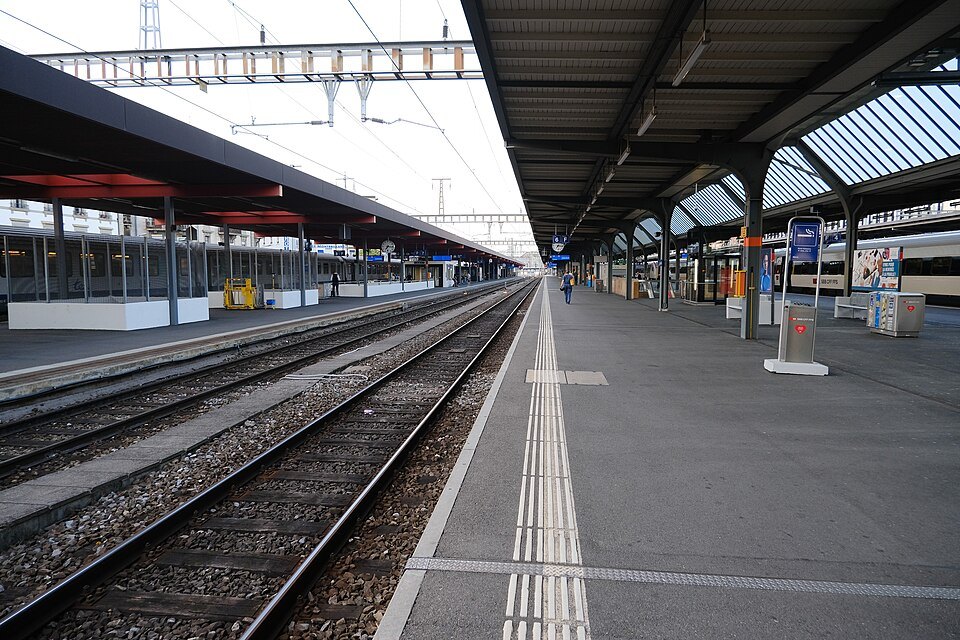
Cornavin, the main station on the right bank, is the third busiest in Switzerland, with more than seven hundred departures a day. Swiss trains run along the lake from Lausanne, and many continue to the airport; TGV Lyria trains arrive from Paris, and platforms 6 and 7 have French and Swiss border controls.
- Lausanne
- about forty to fifty minutes
- Montreux
- a little over an hour
- Bern
- about two hours
- Zurich
- just under three hours
- Paris
- roughly three and a half to four and a half hours, depending on the train
- Lyon
- roughly two and a half to three and a half hours
Cornavin is a ten-minute walk from the lakefront and the Pont du Mont-Blanc. Trams from the square in front of the station reach the Place des Nations in under ten minutes.
From France by Léman Express
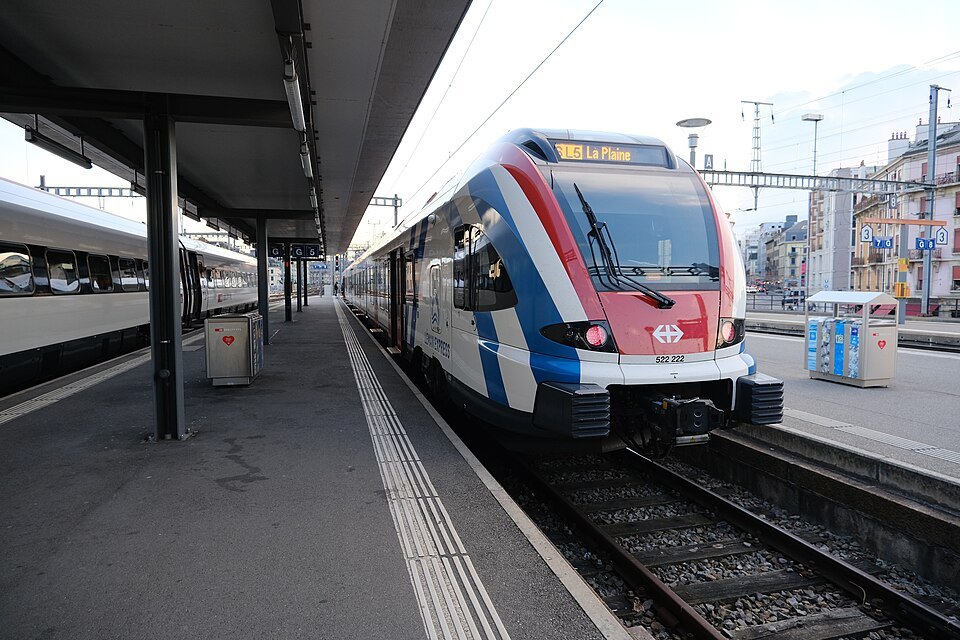
The Léman Express is a cross-border rail network of seven lines opened in December 2019, running through a largely underground link between Cornavin and the Eaux-Vives station on the left bank. It brought direct trains from Annemasse, Thonon, Évian, Annecy and the Arve valley into central Geneva.
- Annecy
- about an hour and a half, usually with a change
- Cornavin to Eaux-Vives
- about a quarter of an hour
- Cornavin to Champel
- about twelve minutes
Coming from Haute-Savoie, get off at Eaux-Vives for the left-bank lakefront and Parc La Grange, or at Champel for the old town hill.
By car or coach
Swiss motorways, including the one around Geneva, require a motorway vignette on every car and light trailer, Swiss or foreign; it is sold as an e-vignette linked to the number plate. International and regional coaches, and ski-season transfers, use the bus station on the Place Dorcière, under five minutes' walk from Cornavin.
- The coach station
- Place Dorcière, under five minutes on foot from Cornavin
- Motorway charge
- an e-vignette for the calendar year, valid as soon as it is bought
- Pollution peaks
- only cars with a Stick'AIR or French Crit'Air sticker may drive in the center
Leave the car. Central Geneva is compact, parking is scarce, and a hotel guest's free transport card covers the trams, buses, local trains and boats.
Getting to Geneva by Air, Rail and Road
The short version
Most visitors arrive by air or by train, and the two are barely separate. Geneva Airport has a railway station beneath its terminal, and trains to Cornavin, the main station, take about seven minutes. From Cornavin you can walk to the lake in ten minutes, and trams leave from the square in front of the station for the Place des Nations and the rest of the city.
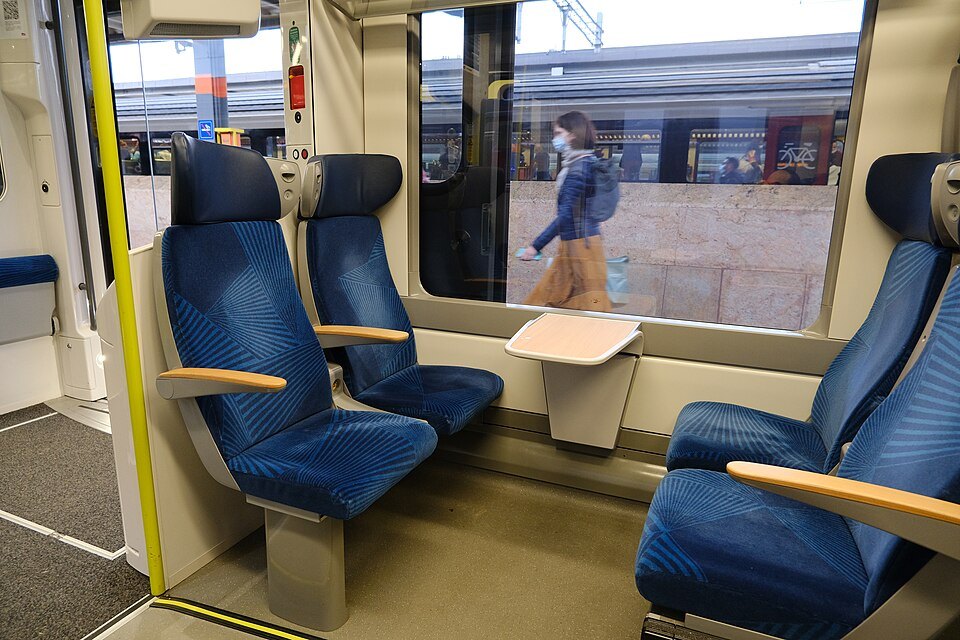
If you are staying in a hotel or other registered accommodation, ask about the Geneva Transport Card before you arrive. It is free, digital, and covers public transport in the whole canton for the length of your stay, including the train from the airport.
Flying in
Geneva Airport is small by the standards of a major city and close to the center. It passed fifteen million passengers a year for the first time in 2014. Terminal 1 handles nearly all flights; Terminal 2, the original terminal of 1946, is used only for winter charter flights, mostly carrying skiers.
The airport sits on the border, and part of Terminal 1, the French sector, can be reached directly from the French side for passengers heading into the neighboring Pays de Gex. For most travelers this makes no difference: arrive, collect your bags and follow the signs to the Swiss exit and the railway station.
Trains from the airport station run to Cornavin every few minutes and on across Switzerland, many of them directly to Lausanne, Bern, Zurich or Brig. City buses also stop at the airport.
Arriving by train
Cornavin connects the line along the lake from Lausanne with the line west into France. It has eight through platforms, and sees about 156,000 passengers on an average working day. Inside there are supermarkets, bakeries, a pharmacy and a police station.
The TGV Lyria service to Paris Gare de Lyon runs about every two hours. Travel time was cut by about half an hour in 2010, when a rebuilt line through the Haut-Bugey opened; journeys now take roughly three and a half to four and a half hours depending on the train. EuroCity trains link Geneva with Milan. Trains from France pass through the border checks on platforms 6 and 7.
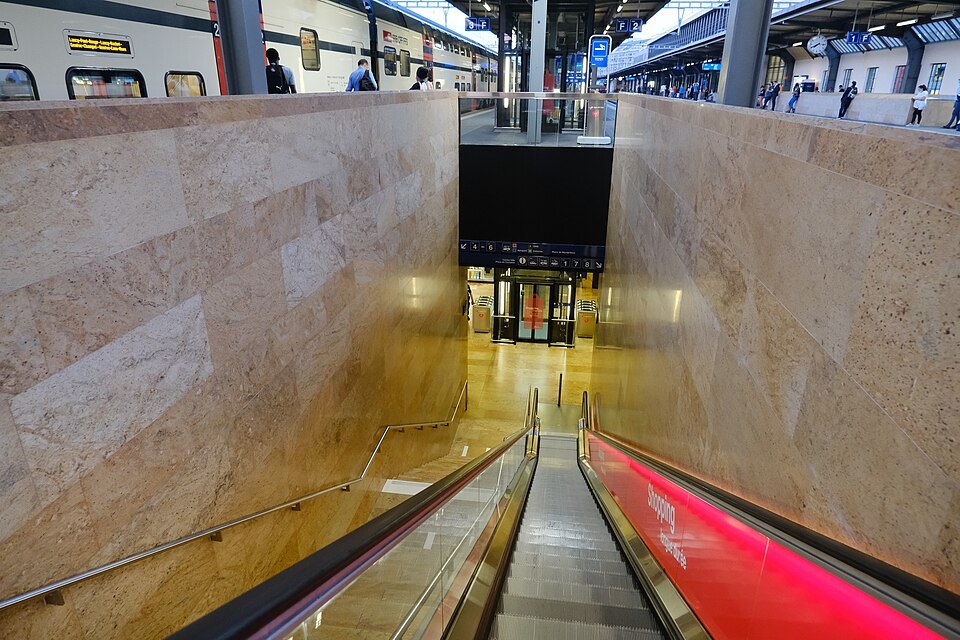
For timings across Switzerland, the national timetable is the reliable source. Journeys from Lausanne take about forty to fifty minutes, from Bern about two hours and from Zurich just under three.
From France, by the Léman Express
Geneva is almost surrounded by France, and much of its daily traffic crosses the border. The Léman Express, opened on 15 December 2019, is the largest cross-border local rail network in Europe, with seven lines over some 230 kilometers. At its heart is a largely underground line linking Cornavin with a new Eaux-Vives station and on to Annemasse.
For a visitor this means direct trains from Évian, Thonon, Annemasse and the Arve valley, and connections from Annecy. Tickets for journeys inside the canton use the ordinary Geneva fare; cross-border journeys have their own fare, so buy your ticket for the whole trip.
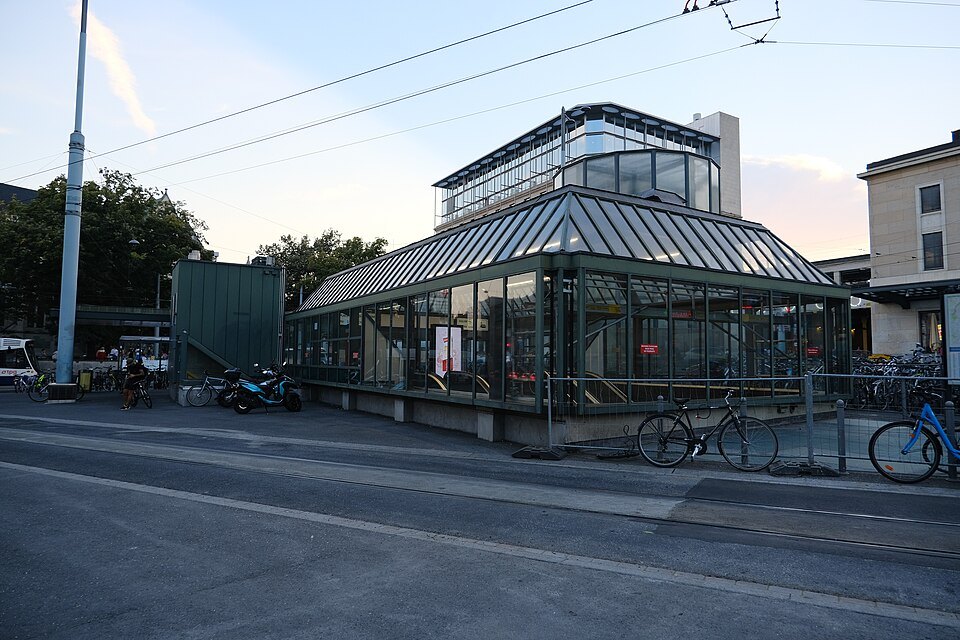
Stations in and around the city include Cornavin, Lancy-Pont-Rouge, Champel and Eaux-Vives, which put the old town hill and the left-bank lakefront within easy reach.
Where each arrival leaves you
Cornavin puts you on the right bank, at the top of the Pâquis district. Walk down the Rue du Mont-Blanc and you reach the lake and the Pont du Mont-Blanc in about ten minutes; cross the bridge or the Pont des Bergues and the old town is another ten minutes uphill on the left bank.
The airport trains all run to Cornavin, so the airport and the station are effectively one arrival point. The Léman Express adds two useful stations on the left bank: Champel, below the old town hill, and Eaux-Vives, a short walk from Parc La Grange and the lakefront.
If your hotel is in the international quarter, around the Place des Nations, take the tram from Cornavin rather than walking; it is a steady climb of a couple of kilometers along busy roads. For hotels in the Pâquis or near the station, walking is usually quicker than waiting.
By coach
Long-distance coaches arrive at the Gare routière de Genève on the Place Dorcière, at the edge of the Pâquis and less than five minutes' walk from Cornavin station. It has regular daily services to the region and international connections to France, Germany, Italy, Spain, Portugal, Poland and beyond, with transfers to the ski resorts from December to Easter.
From the coach station, the lake is a few minutes' walk away down the streets of the Pâquis, and the trams and trains of Cornavin are just beyond. Coaches from Annecy and, in the ski season, from the Alpine resorts also serve the airport.
By car
Driving into Switzerland, every car and light trailer on the motorways needs a vignette, whether it is registered in Switzerland or abroad. It is available as an e-vignette, linked to the number plate, bought online through the federal customs portal and valid at once, for the calendar year.
Geneva also runs a differentiated traffic scheme during air-pollution peaks. When it is activated, only motor vehicles carrying an authorized Stick'AIR sticker may drive in the center of the canton. The sticker sorts vehicles into six categories by their Euro emission standard, and it is bought online from the canton; the French Crit'Air sticker, with the same requirements and numbering, is recognized in Geneva too. If you are driving in from France, a car that already has a Crit'Air sticker is covered.
Inside the city, a car is more burden than help. The center is small, the old town is steep and narrow, parking is limited and the tram network is good. Park at your hotel or at a park-and-ride on the edge of the city and use the trams.
The Geneva Transport Card
This is the most useful thing to know on arrival. Anyone staying in approved accommodation registered with Geneva Tourism receives a free Geneva Transport Card. It covers buses, trams, trains and the yellow Mouettes water buses in zone 10 of the Unireso network, which is the whole canton except Céligny, for the entire length of the stay.
The card is digital, personal and non-transferable. Accommodation sends a link by email up to three days before arrival, and the card is kept in the official Hello Geneva app, so you can use it for the trip from the airport to your hotel. Guests without email receive it at check-in.
If your accommodation is not registered, ask the host; Geneva Tourism asks hosts to contact it directly. Otherwise, single tickets and day passes are sold at machines at stops, in the TPG app and online, and they cover trams, buses, trains and the Mouettes inside the canton.
Borders, documents and money
Switzerland is not in the European Union, but it has been part of the Schengen area since 2008, so travelers arriving from other Schengen countries do not normally pass passport control. Customs is a separate matter: Switzerland keeps its own customs rules, and checks can happen at the airport, on the border roads and on the trains from France.
Bring the identity documents your nationality requires for Schengen travel, and keep them with you. They are also needed for a guided visit to the Palace of Nations, where every visitor shows a passport or a Schengen-area identity card at the gate.
The currency is the Swiss franc, not the euro, even though France begins a few kilometers from the center in almost every direction; a day trip across the border means changing currency as well as country.
Services we link to
Some links on this page are affiliate links. If you book through one we may earn a commission, at no extra cost to you. It does not affect what is recommended here, and no sight page on this site carries one.
Arranged before you land:
More photographs
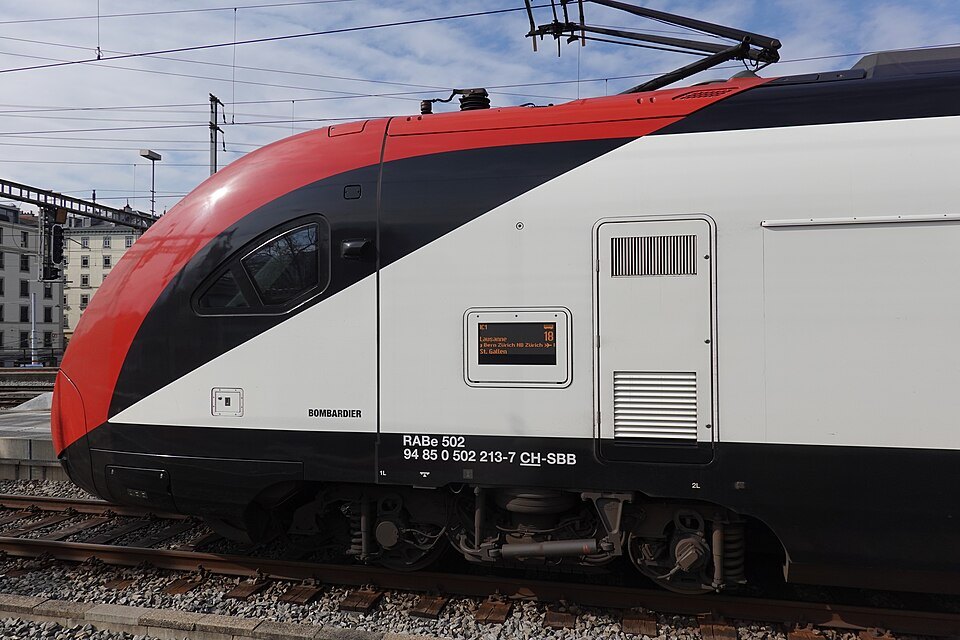
The red nose of a Swiss railways train at CornavinSmiley.toerist, Wikimedia Commons, CC BY-SA 4.0 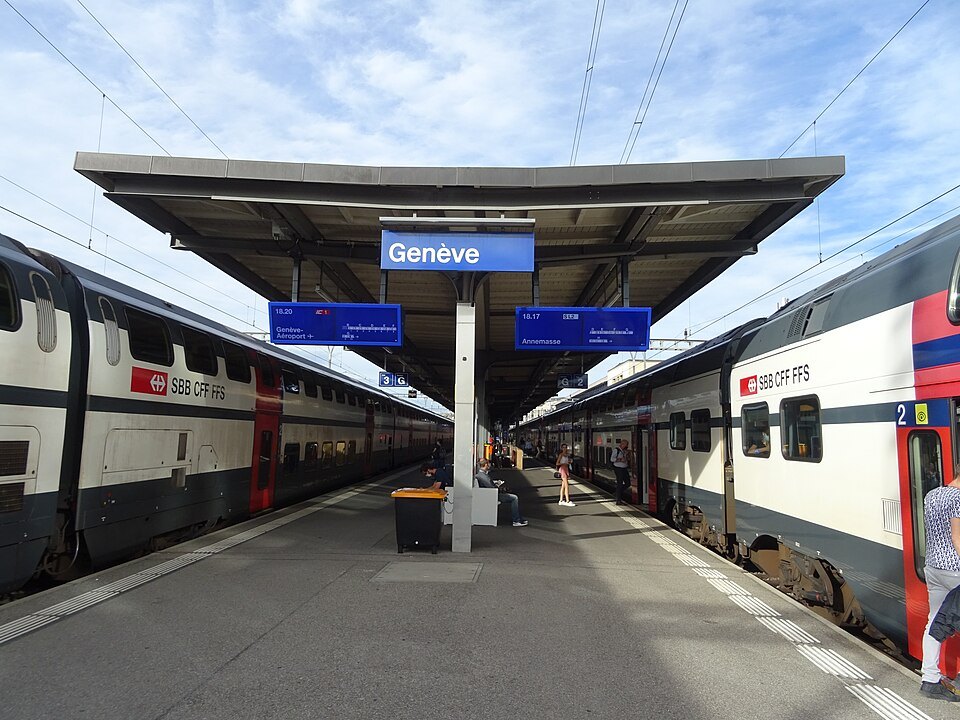
Double-deck trains either side of a platform signed GenèveRemontees, Wikimedia Commons, CC BY-SA 4.0