Home · The Sights
The sights, in four parts of the city
The hill on the left bank
The cathedral, the old market square, the town hall and the Treille, the Reformation Wall, the Place Neuve, the art and history museum and the Russian Church.The left-bank shore
The Jardin Anglais and its flower clock, the Jet d'Eau on its jetty, and Parc La Grange with its rose garden.The Rhône and the right-bank quays
Île Rousseau and the bridges, the Quai du Mont-Blanc and the Brunswick Monument, the Bains des Pâquis, and the Jonction where two rivers meet.The international quarter
The Palace of Nations and the Broken Chair, the Red Cross and Red Crescent Museum, the Musée Ariana and the botanical garden.
The Sights of Geneva, from the Old Town Hill to the Palace of Nations
How the sights fit together
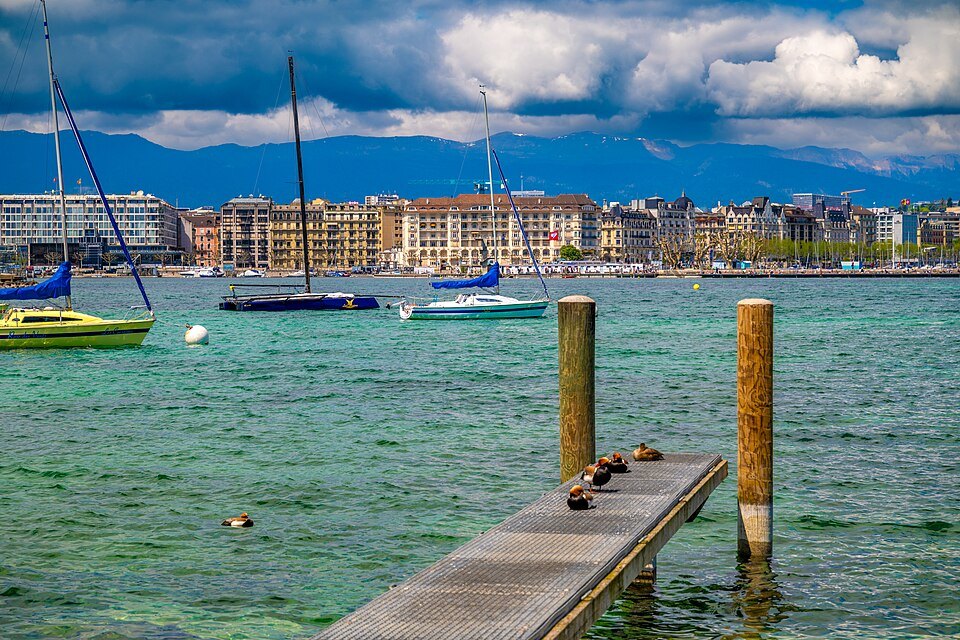
Geneva's sights fall into four clusters, and each can be walked in half a day. The old town sits on its hill on the left bank, above the point where the lake becomes the Rhône. Below it the left-bank shore runs east past the Jardin Anglais to the Jet d'Eau and the parks of the Eaux-Vives. Across the water, the right bank has the river island, the grand hotel quays and the public baths. Up the hill beyond the station lies the international quarter.
Most of the eighteen are public and outdoors: squares, parks, jetties, bridges and monuments that need no ticket. The museums have their own arrangements, and only the Palace of Nations must be booked ahead, as a guided tour.
The walk drawn on the home page links the old town and the shore in a single route. The international quarter is a tram ride from Cornavin, about eight or nine minutes.
The hill on the left bank
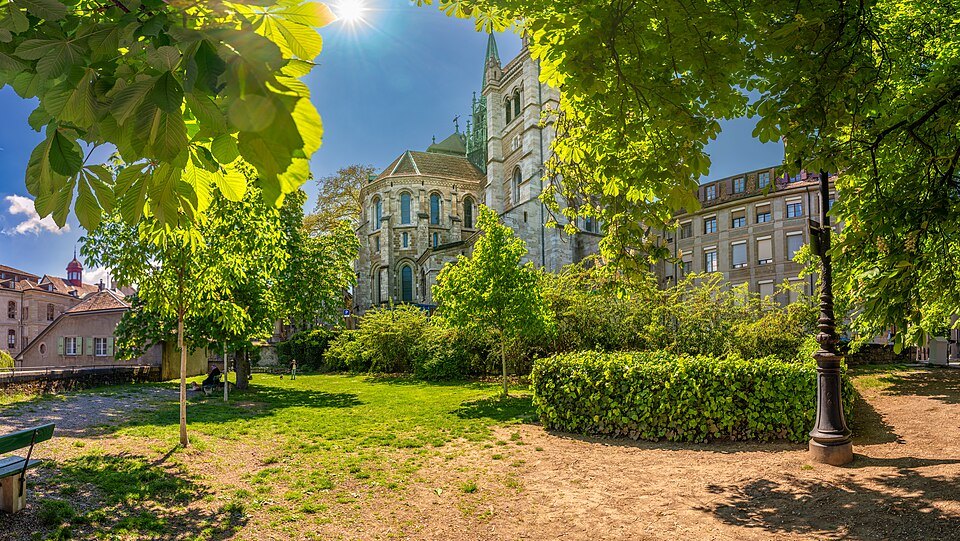
At the top of the old town stands St. Pierre Cathedral, begun around 1160, stripped bare by the Reformation in 1535 and given a classical front in the eighteenth century. Beneath it an archaeological site runs from the third century BC to the start of the present building. Give the church half an hour, the north tower another half hour and the archaeological site an hour.
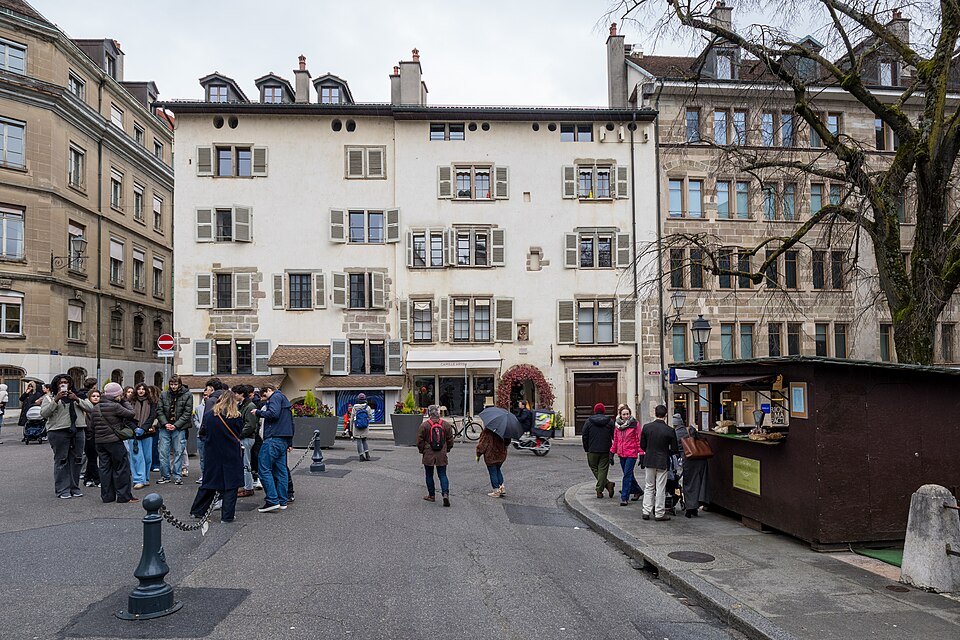
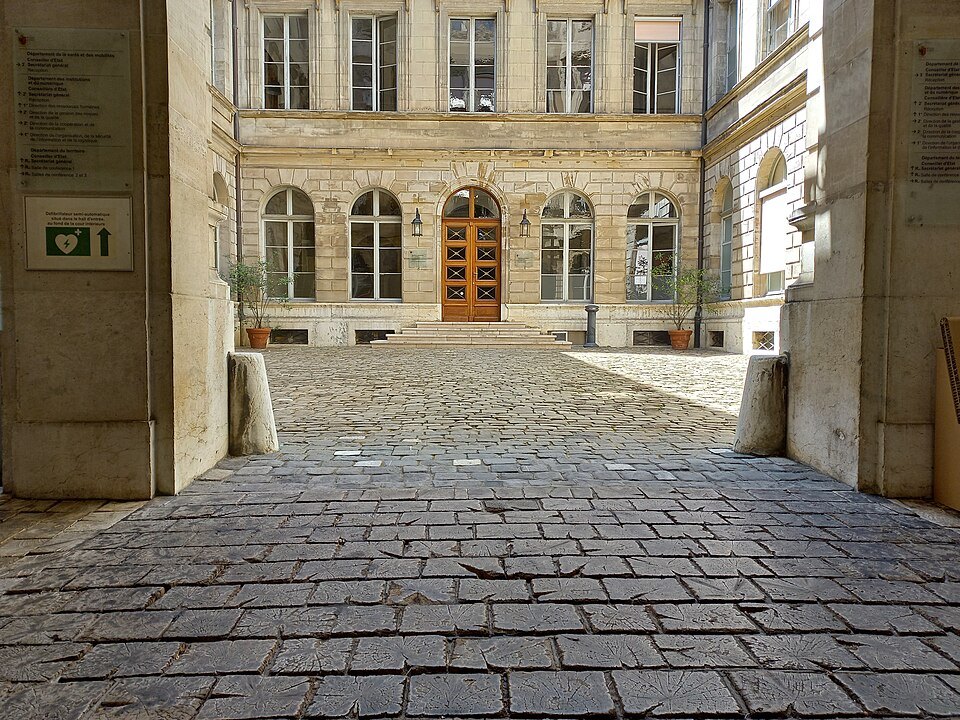
Around it, the Place du Bourg-de-Four, on the site of a market since Roman times, is the most sociable square in the old town. The town hall, with its stepless ramp tower, faces the old arsenal, and behind them the Promenade de la Treille has a bench said to be the longest in the world.
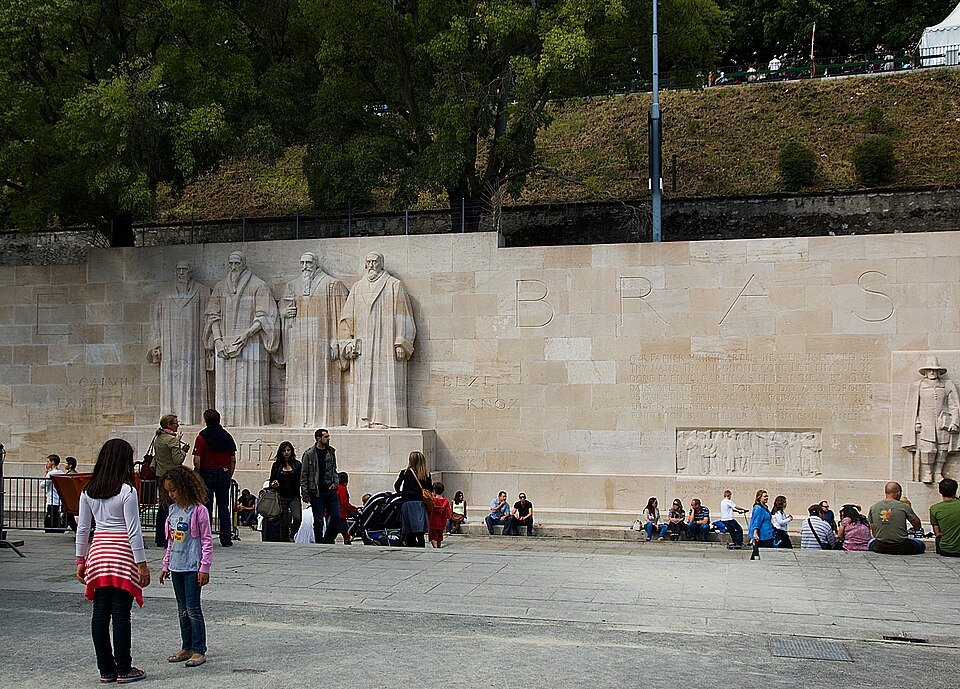
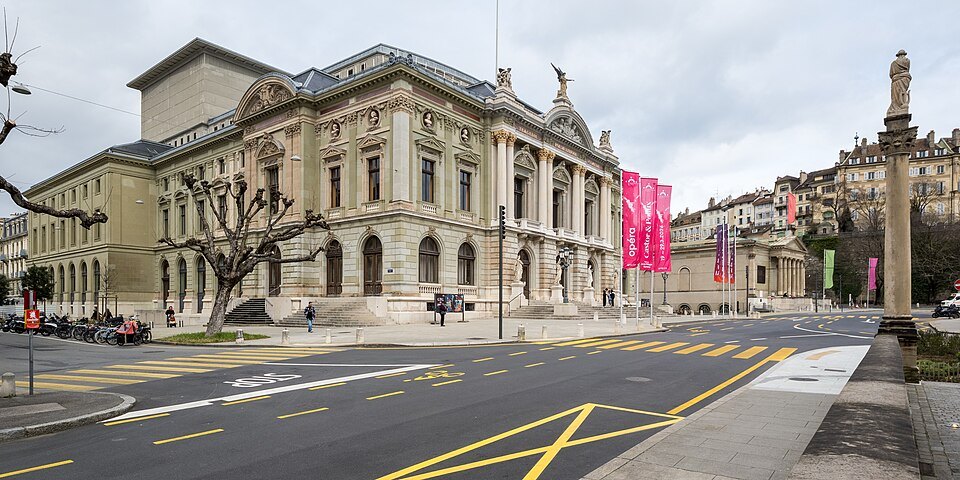
Below the ramparts, the Reformation Wall in the Parc des Bastions sets Farel, Calvin, Beza and Knox five meters tall against the old walls. Across the park, the Place Neuve is ringed by the Grand Théâtre, the Conservatory and the Musée Rath.
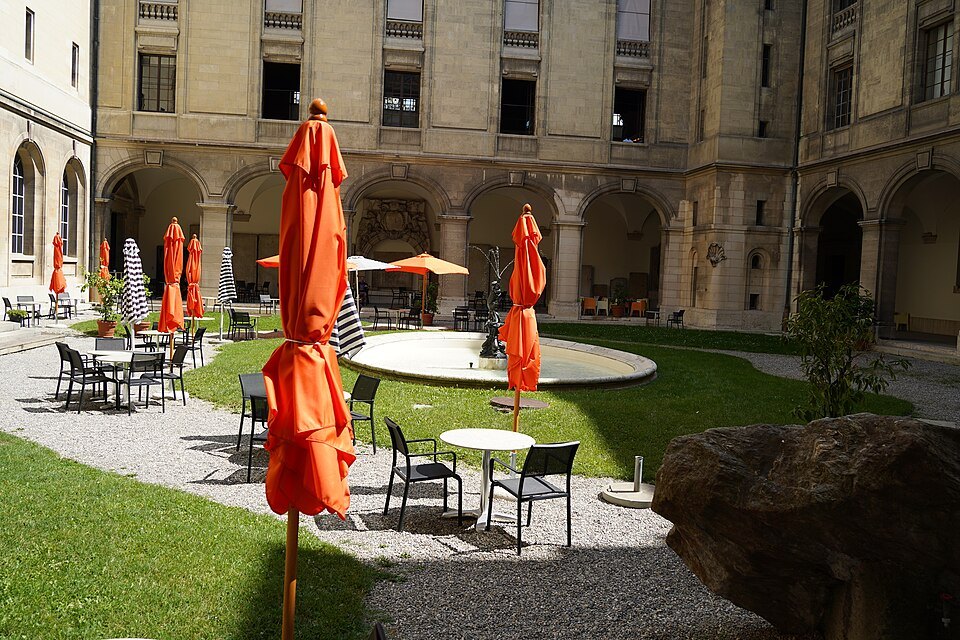
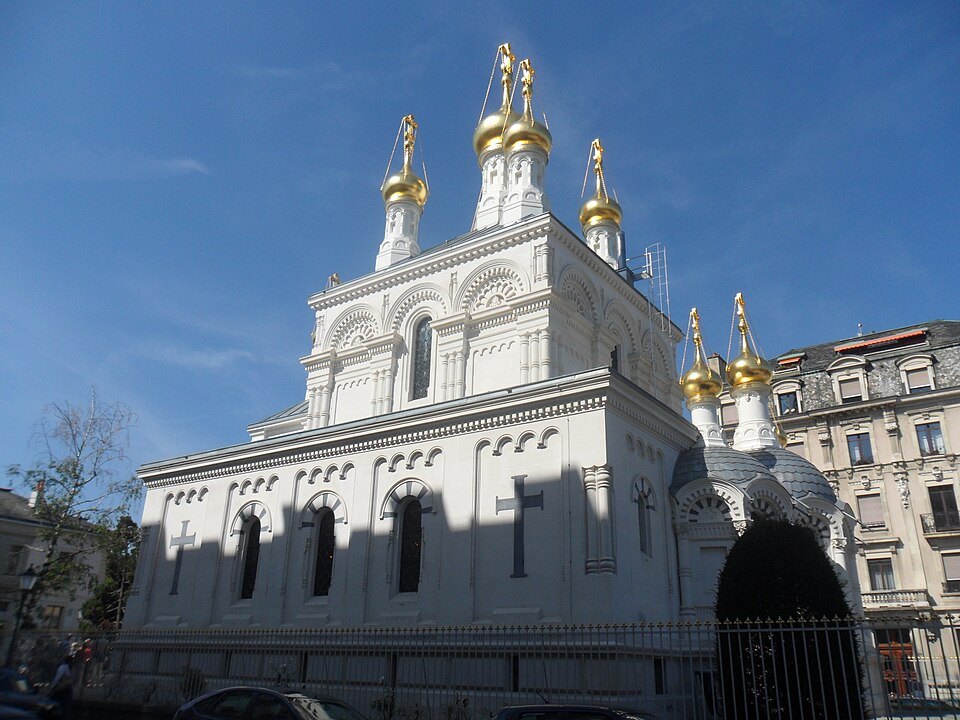
On the other side of the hill, the Musée d'Art et d'Histoire, opened in 1910, holds Konrad Witz's altarpiece of 1444 showing Lake Geneva in one of the first topographically accurate landscapes in European painting; the museum also has a hall of Escalade armor and collections from ancient Egypt to Ferdinand Hodler. Give it two hours for a first visit. Nearby, the Russian Church of 1863 to 1866 lifts nine gilded onion domes over the Tranchées.
The left-bank shore
The Jardin Anglais, Geneva's first English-style park, was created in the 1850s on land won from the lake. Its flower clock of 1955 is a working clock face made of flowers.
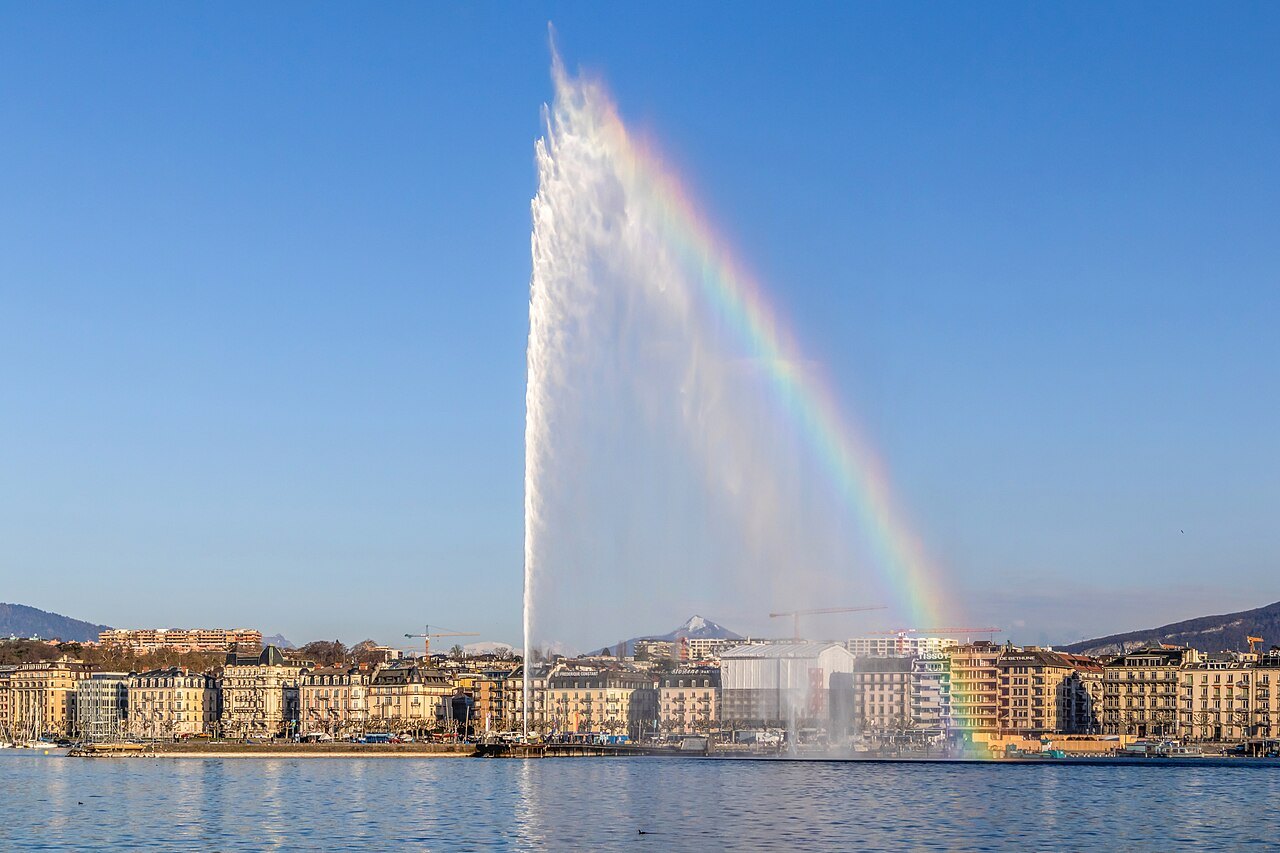
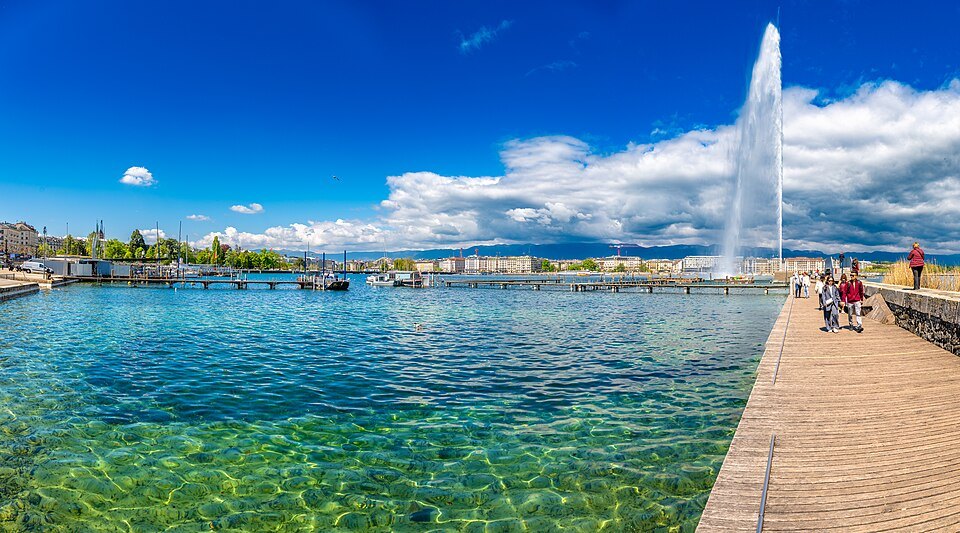
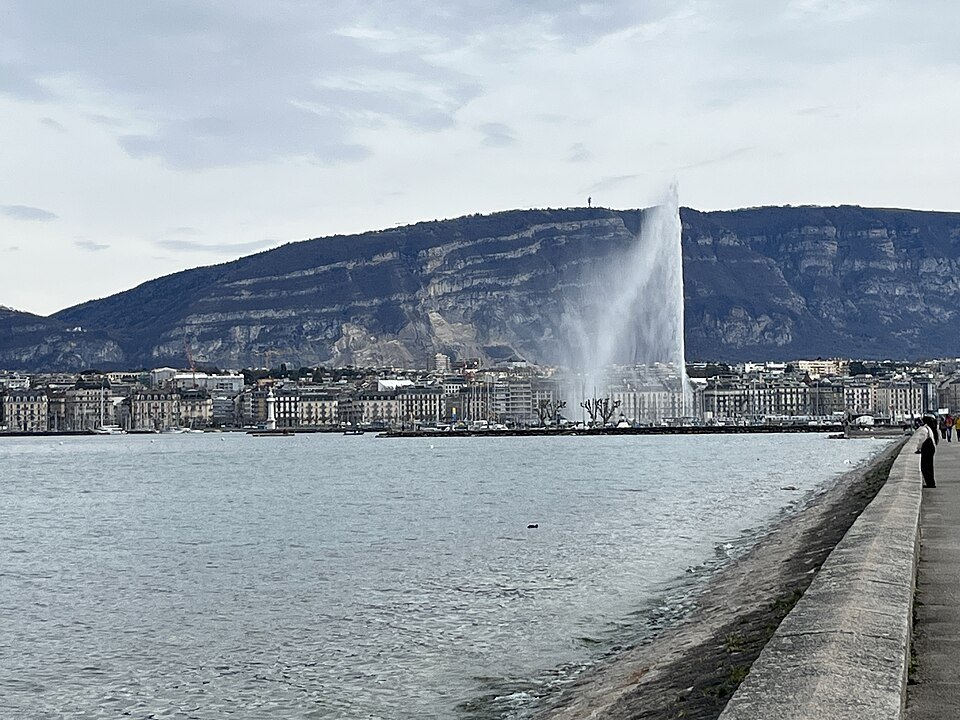
From the garden the quay leads to the Eaux-Vives jetty and the Jet d'Eau, which throws lake water about 140 meters into the air. You can walk out beside it to the small lighthouse at the end; check which way the wind is blowing the plume before you do. It is stopped in frost and strong wind.
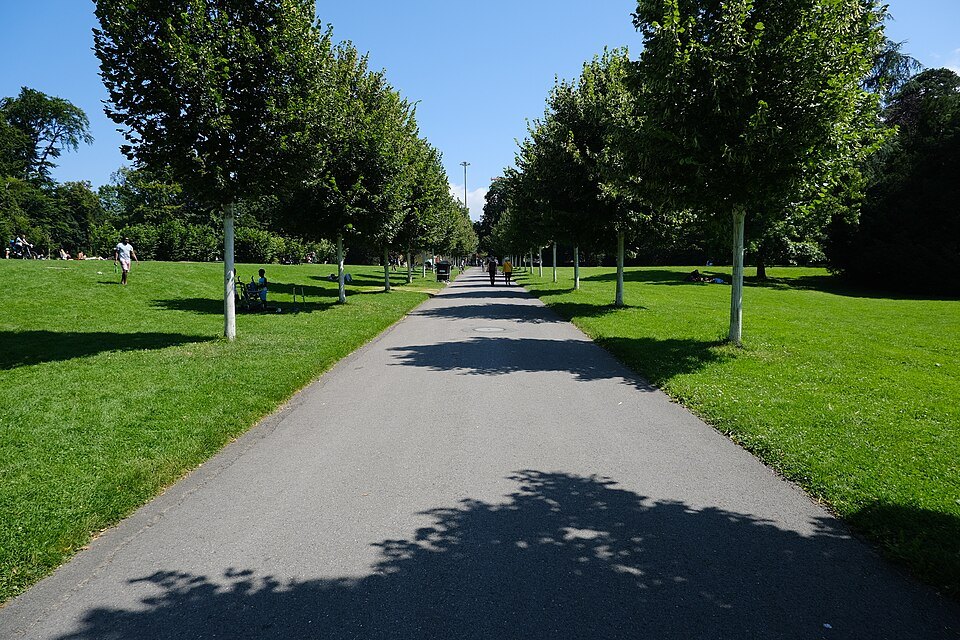
Farther along the Quai Gustave-Ador, Parc La Grange spreads over some twenty hectares above the lake, with the largest public rose garden in the canton, an eighteenth-century villa whose library hosted a presidential summit in 2021, and the remains of a Roman villa underfoot.
The Rhône and the right-bank quays
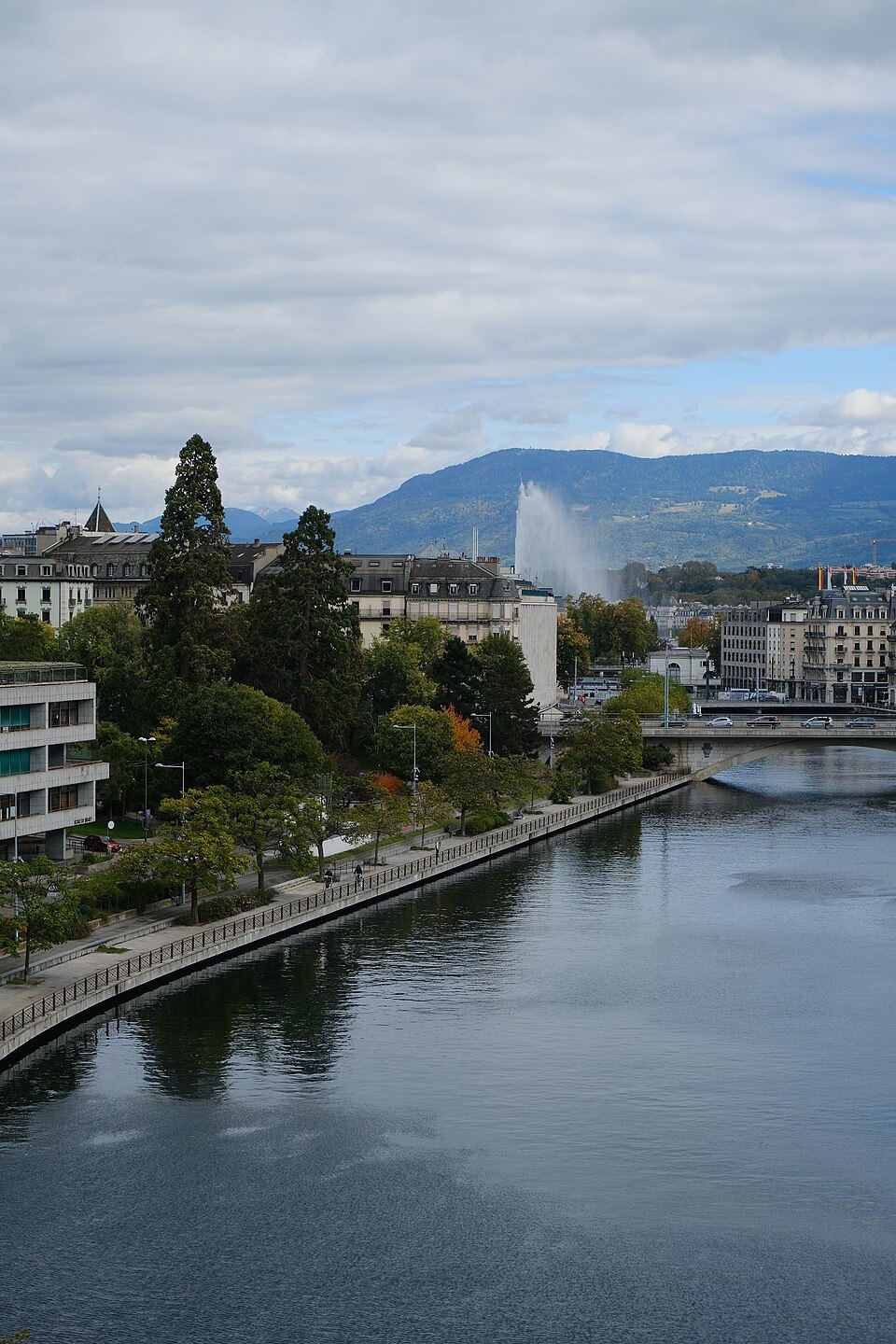
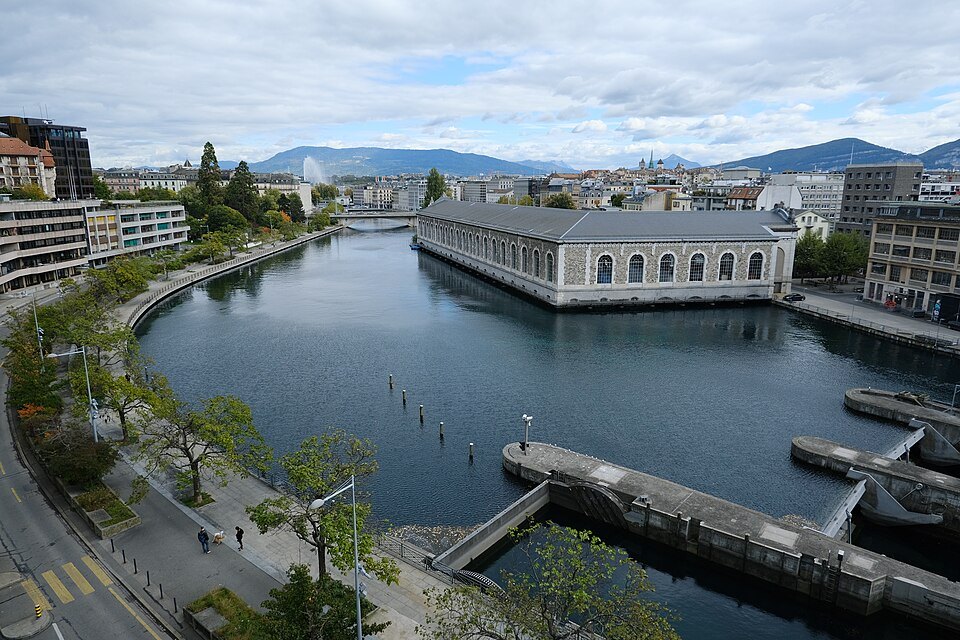
Where the lake narrows into the Rhône, Île Rousseau, an old bastion turned into a garden with the philosopher's statue, sits in the current beside the Pont des Bergues. Downstream, the Pont de la Machine recalls the water machine that once pumped the river to the city's fountains.
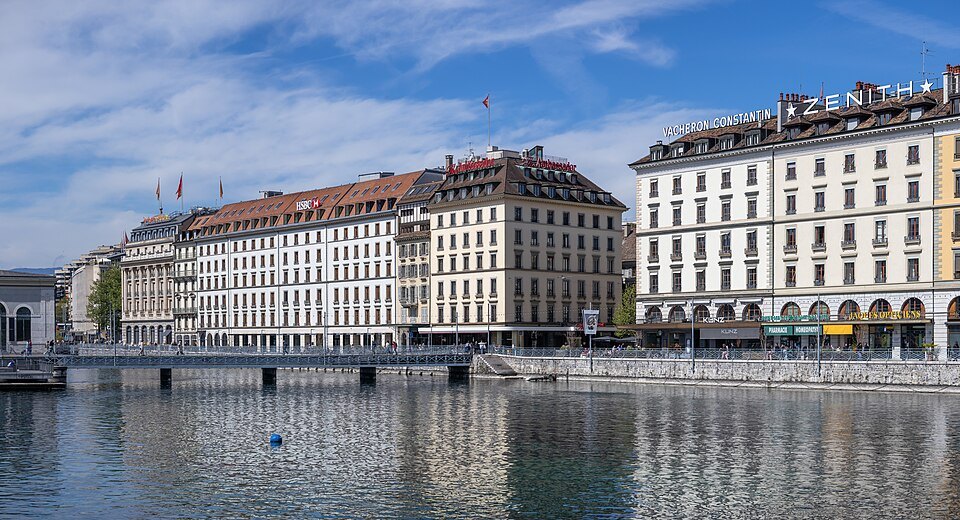
On the right bank, the Quai du Mont-Blanc runs past the grand hotels to the Pâquis jetty. Its Brunswick Monument is a Gothic mausoleum of 1879 for a deposed duke who left his fortune to Geneva, and nearby Empress Elisabeth of Austria was fatally stabbed in 1898.
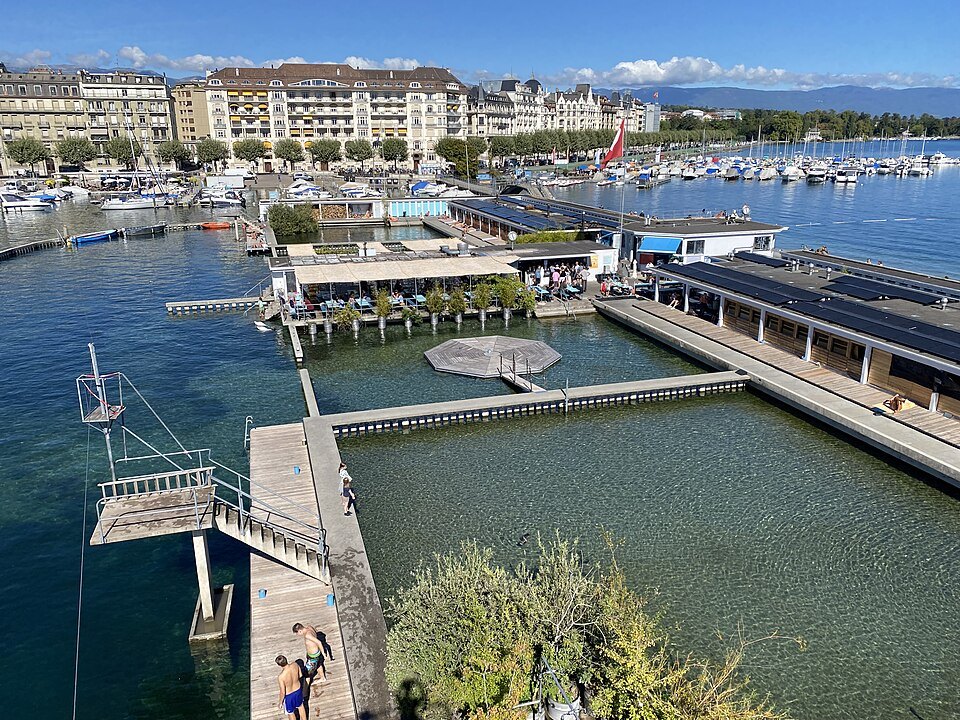
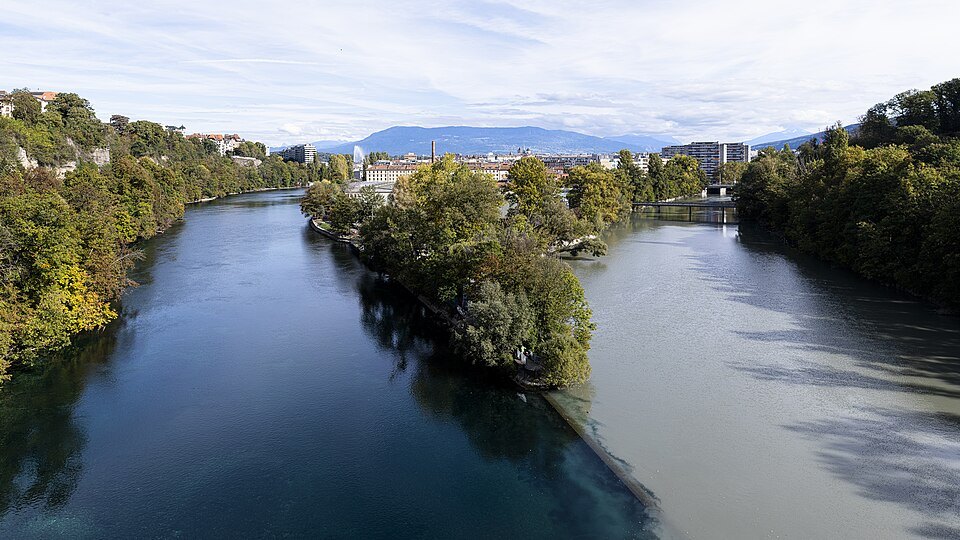
At the end of the jetty, the Bains des Pâquis are public lake baths of 1932, saved by a popular vote in 1988 and run by their users: swimming in summer, sauna and fondue in winter. Far downstream, at the Jonction, the turquoise Rhône meets the milky gray Arve, and the two run side by side before they mix. Allow an hour there.
The international quarter
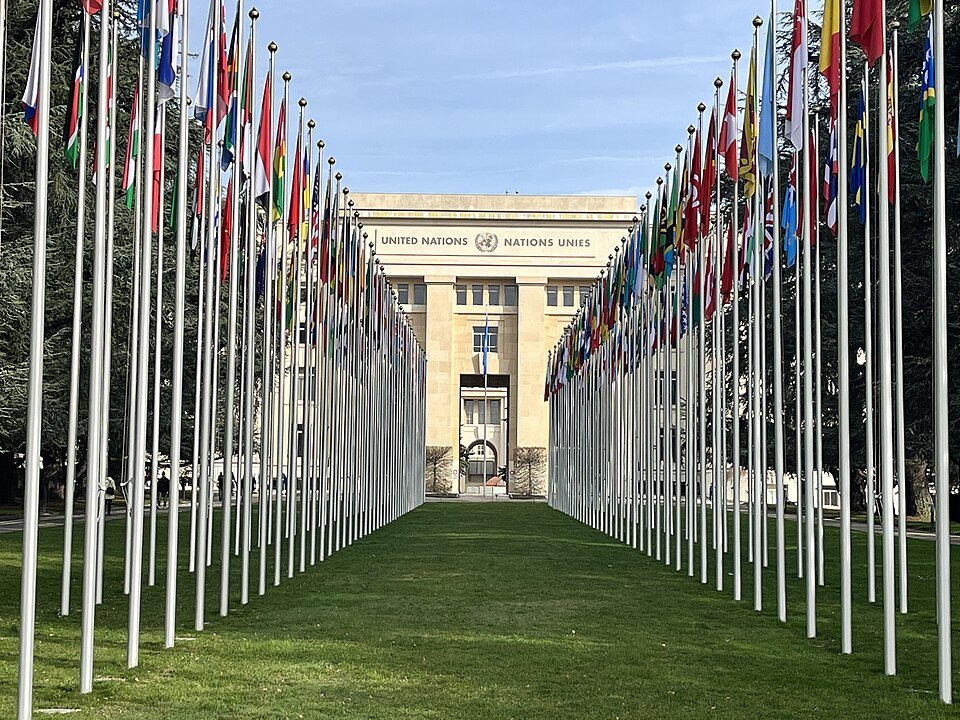
The Palace of Nations, built between 1929 and 1938 for the League of Nations and the home of the United Nations in Geneva since 1946, can be visited only on a booked guided tour, with a passport or Schengen-area identity card. The Place des Nations in front, with the twelve-meter Broken Chair, is public at any time.
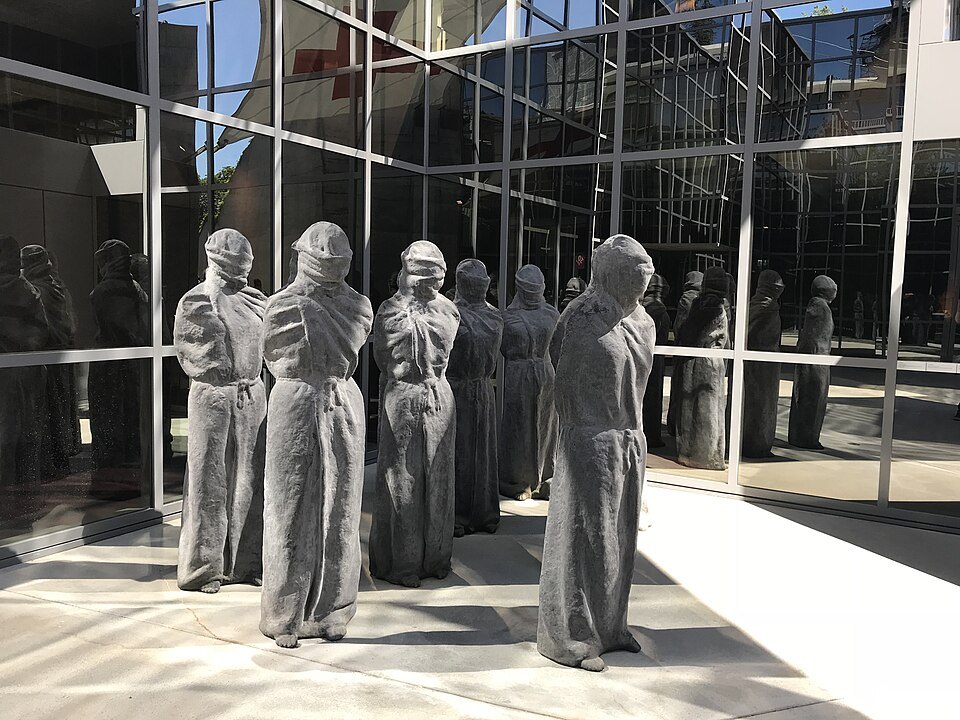
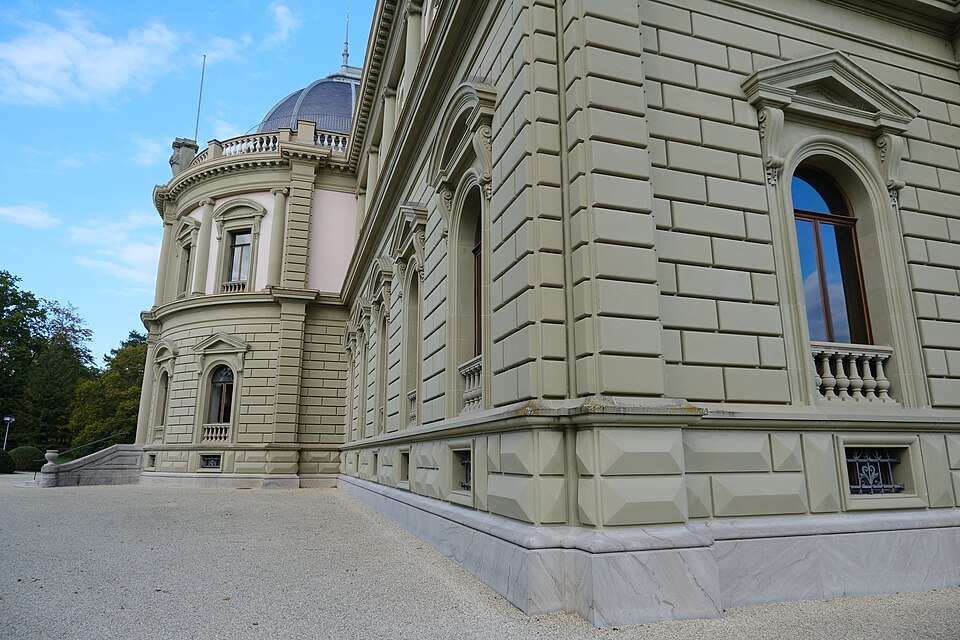
Across the Avenue de la Paix, the Red Cross and Red Crescent Museum, opened in 1988, tells the story of humanitarian action; give it an hour and a half to two hours. Next door, the Musée Ariana, a collector's palace of 1877 to 1884, is the Swiss museum of ceramics and glass.
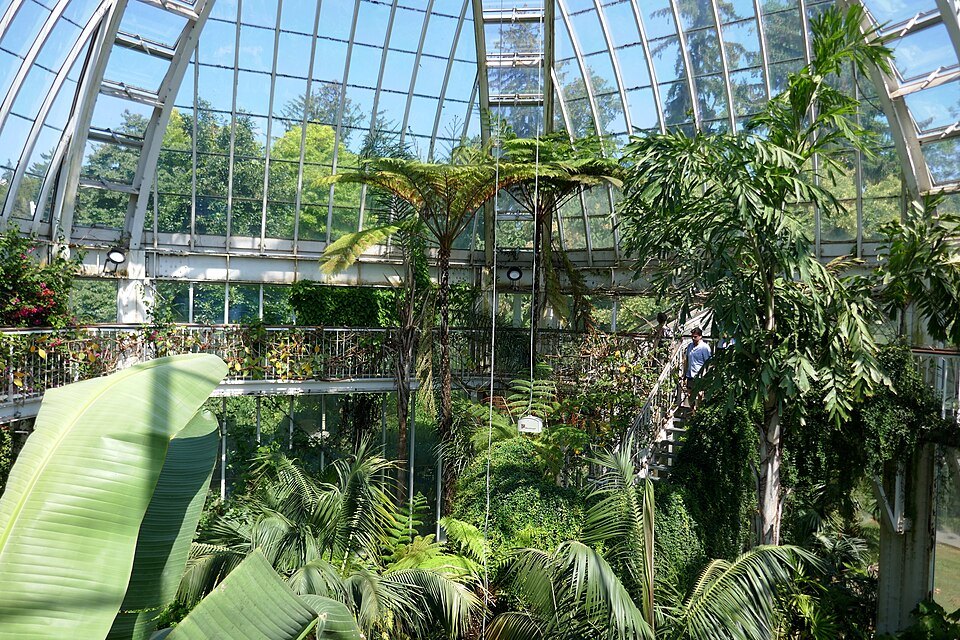
Below, toward the lake, the botanical garden covers twenty-eight hectares with glasshouses, rock gardens and an arboretum, founded in 1817 and one of the most important in the world. The lakeside parks of Perle du Lac and Mon Repos lead back toward the Pâquis.
If you only have time for a few
With a single day, choose the cathedral and the Place du Bourg-de-Four for the old town, the Reformation Wall for the story of the city, and the Jardin Anglais and the Jet d'Eau for the harbor. Those four can be walked in a morning and an afternoon, with a Mouettes crossing to finish.
With a second day, add the international quarter: the Broken Chair and the Palace of Nations, and the Red Cross and Red Crescent Museum, which explains better than anywhere why Geneva became the city it is.
For a rainy day, the Musée d'Art et d'Histoire, the archaeological site under the cathedral and the Ariana are the best refuges. For a hot one, the Bains des Pâquis and the shade of Parc La Grange and the botanical garden.