Home · Sights · The Musée d'Art et d'Histoire
The Musée d'Art et d'Histoire
- IThe Miraculous Draught of FishesKonrad Witz's panel of 1444, with Christ on the water in front of the real shore of Lake Geneva
- IIThe armor hallWeapons and armor of the fifteenth to seventeenth centuries, a reminder of the Escalade of 1602
- IIILiotard and HodlerThe world's largest collection of Jean-Étienne Liotard and a huge holding of Ferdinand Hodler's drawings
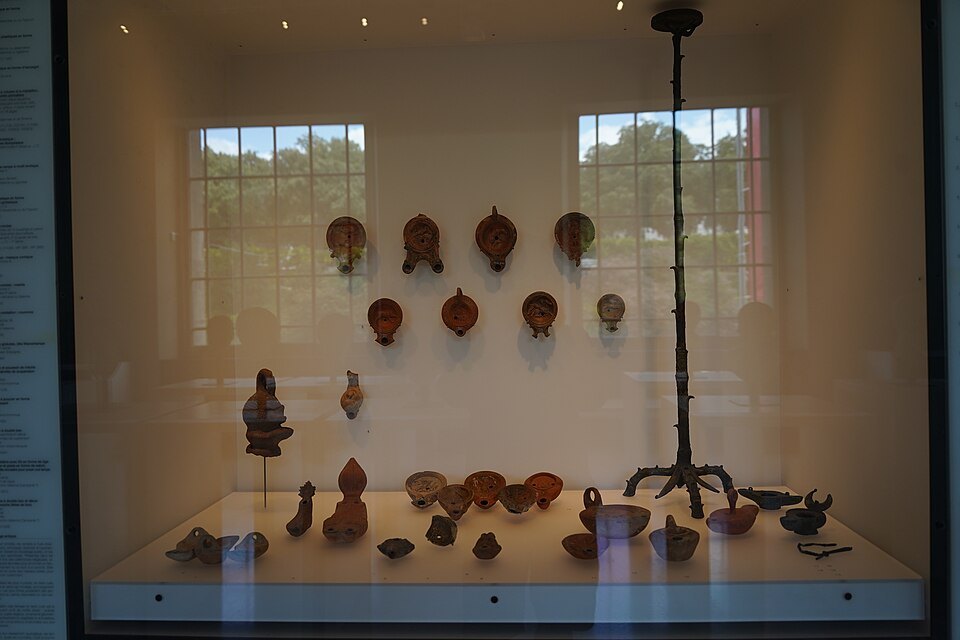
- IVThe archaeologyClassical antiquities that make the museum the first in Switzerland for the ancient Mediterranean world
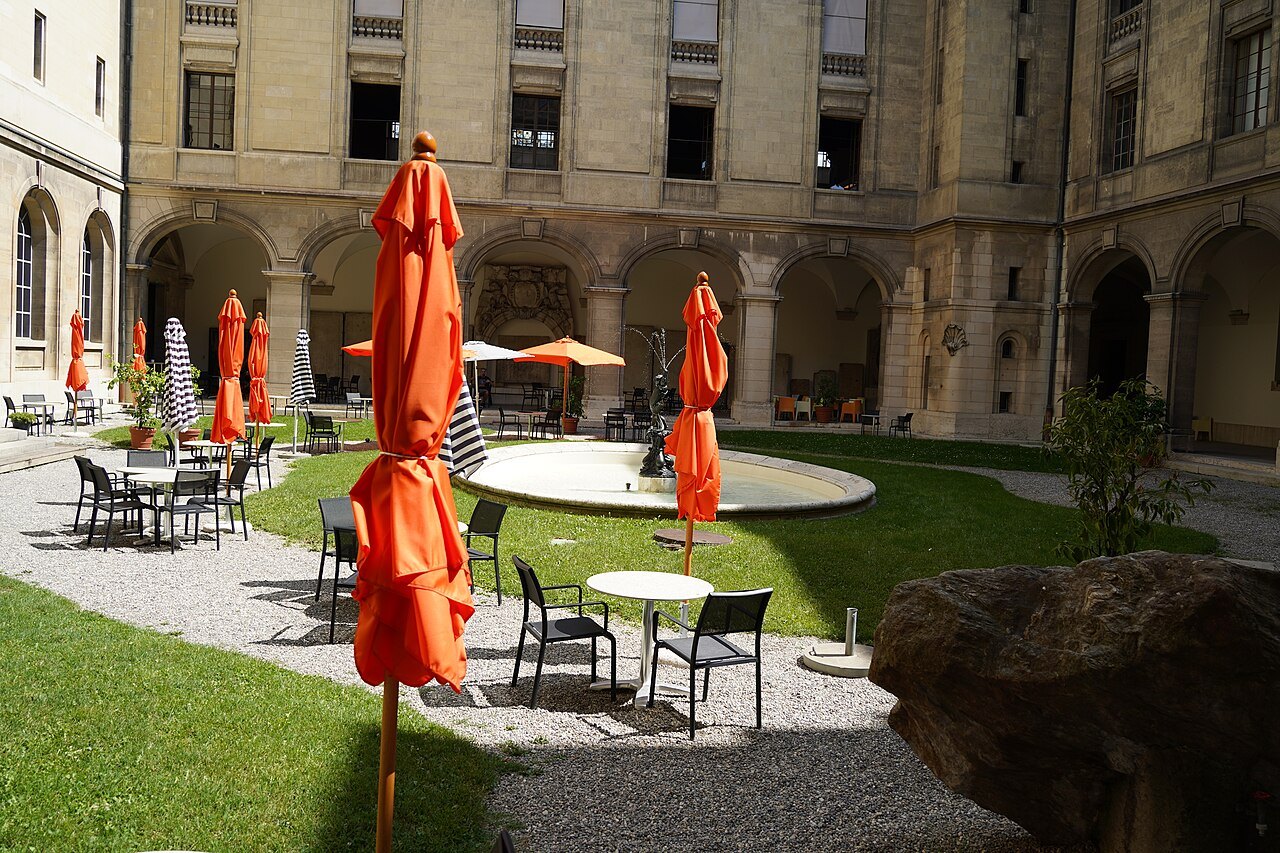
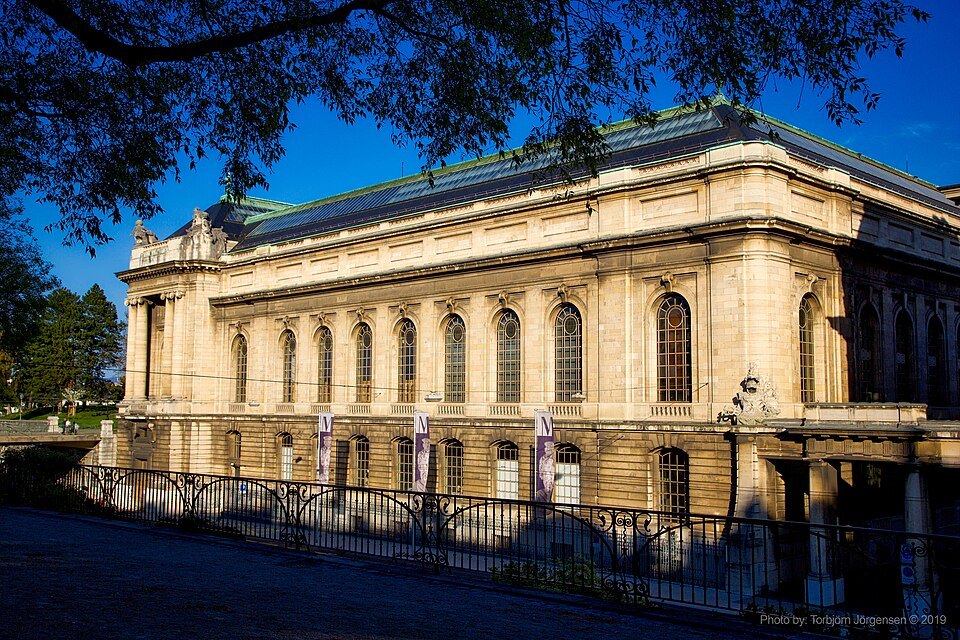
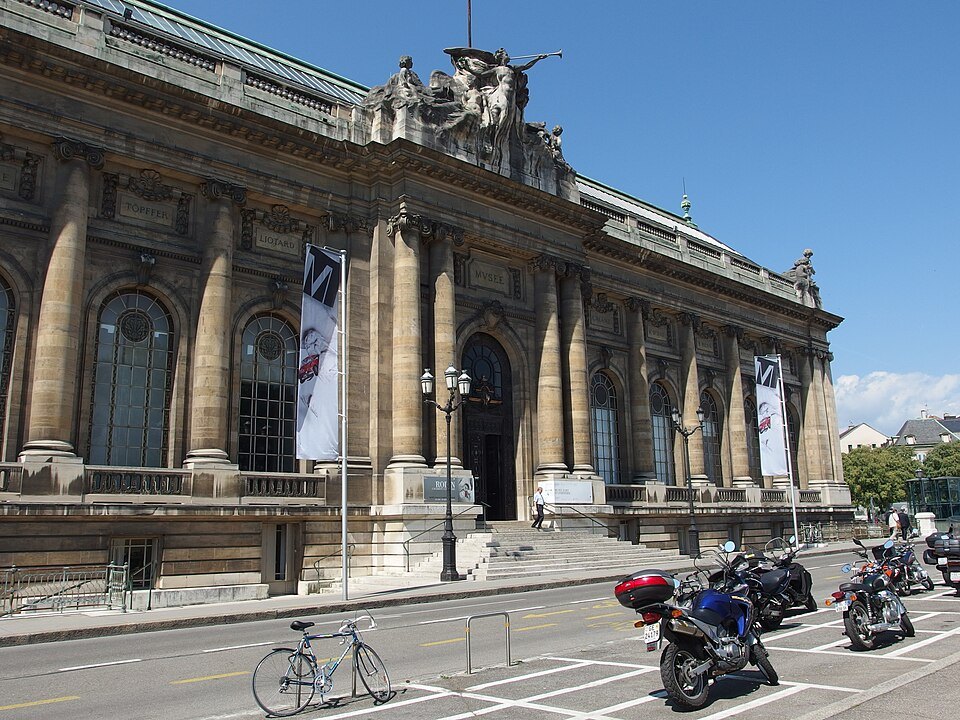
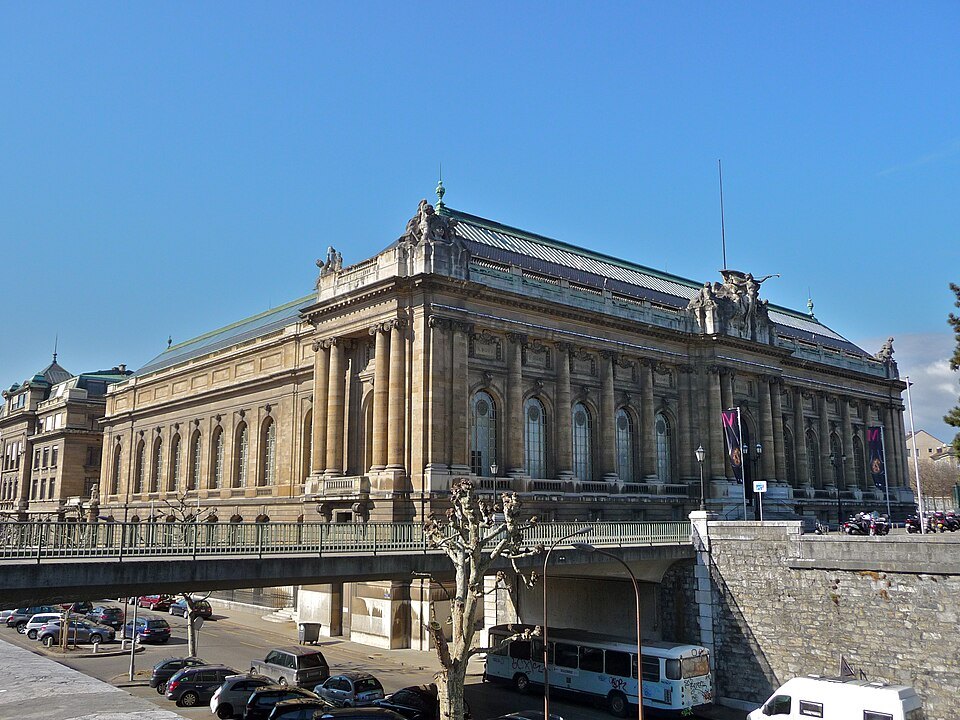
- VThe buildingMarc Camoletti's square palace of 1903–1910 around an inner courtyard, its frieze naming Genevan artists
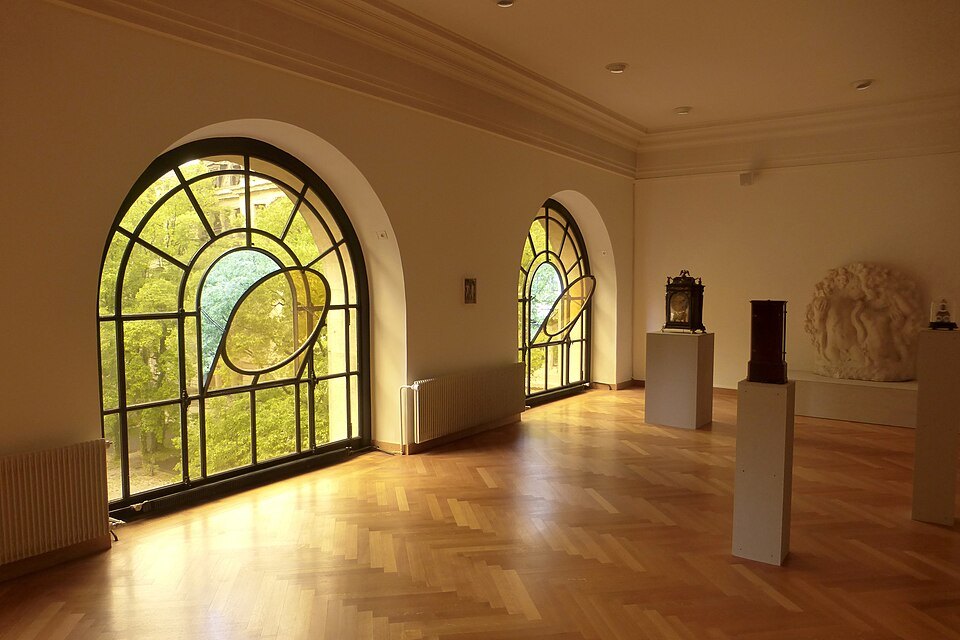
- VIThe applied artsSilver, furniture, textiles and musical instruments, with watches and enamels from the city's trades
From darkness to light
Why it matters
The Musée d'Art et d'Histoire, known locally as the MAH, is the museum Geneva built to hold everything it had collected: paintings and sculpture, archaeology, weapons, furniture, silver, textiles and the products of its own crafts. With more than 650,000 objects in its care, it is one of the largest museum collections in Switzerland, and it leads the group of city museums that also includes the Musée Rath, the Musée Ariana and Maison Tavel.
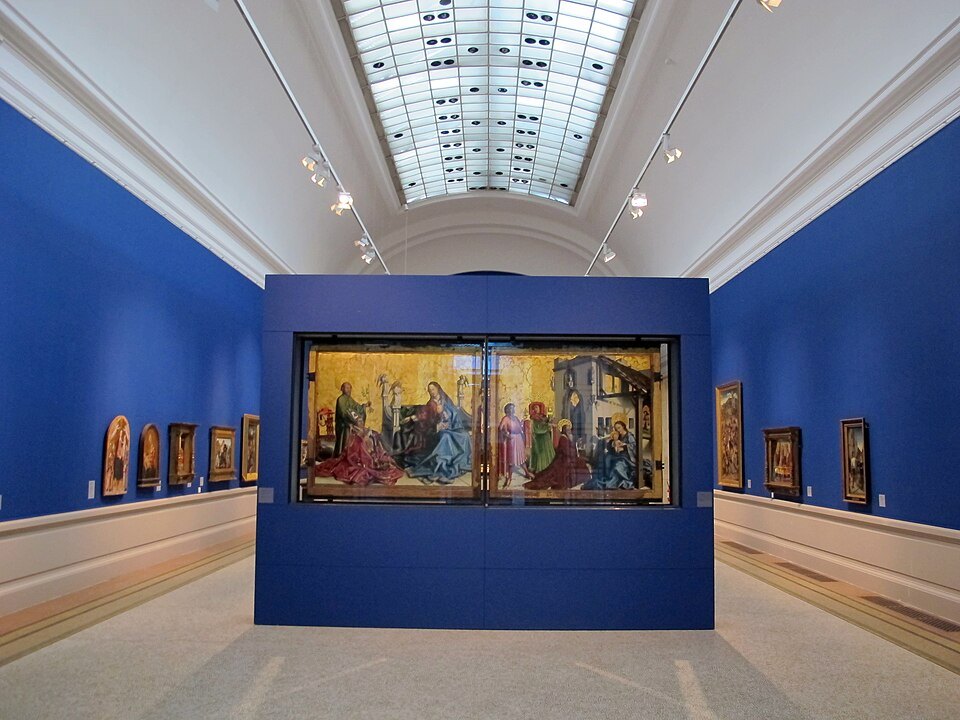
For a visitor it has one work that alone justifies the walk. The Miraculous Draught of Fishes, painted by Konrad Witz in 1444 for Saint-Pierre Cathedral, shows Christ walking on the water in front of a real, recognizable stretch of the shore of Lake Geneva. It is regarded as one of the first topographically accurate landscapes in European painting, painted at a time when landscape was still only a background.
The museum also tells Geneva's own story better than any other in the city: the Reformation, the Escalade, the watchmakers, and the painters who made the lake and the Alps their subject.
Where the collections came from
The museum as an institution is older than its building. The fine arts collection was begun in 1805, when the Louvre sent twenty-three paintings to Geneva, then part of France, and from 1826 it was shown in the new Musée Rath on the Place Neuve. A Musée Académique covering natural history and archaeology had been founded in 1818.
The city acquired the Musée des Beaux-Arts in 1851, and in 1870 it received the state's collection of weapons and historical objects. Donations through the second half of the nineteenth century filled every room, which is what made a new, larger museum necessary. Today the MAH is among the most visited museums in French-speaking Switzerland.
The building
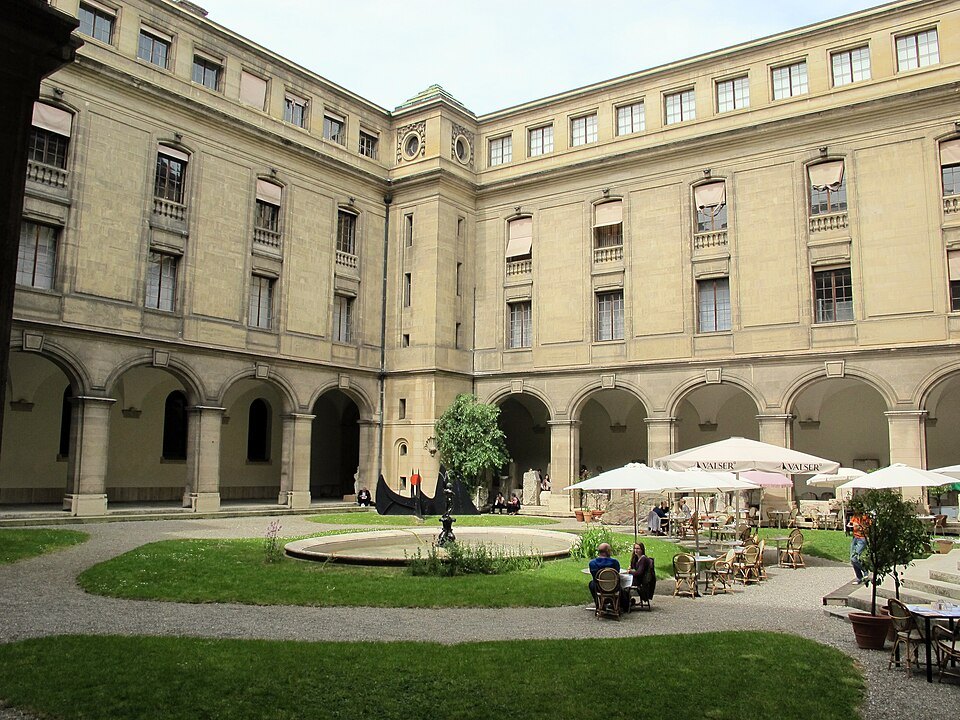
The idea of gathering the city's art and historical collections under one roof was in the air from the 1870s. A first architectural competition in 1886 found no winner; a second, launched in 1900, drew forty-three entries and was won by Marc Camoletti, whose design carried the motto Casque 1602, the helmet of the Escalade. The building was paid for largely by the bequest of the banker Charles Galland, who died in 1901.
The first stone was laid in 1904 and the museum opened on 15 October 1910, on the site of the old fortifications in the district of the Tranchées. It is a square block about sixty meters on each side, built around an inner courtyard, with four floors and skylights on the top floor.
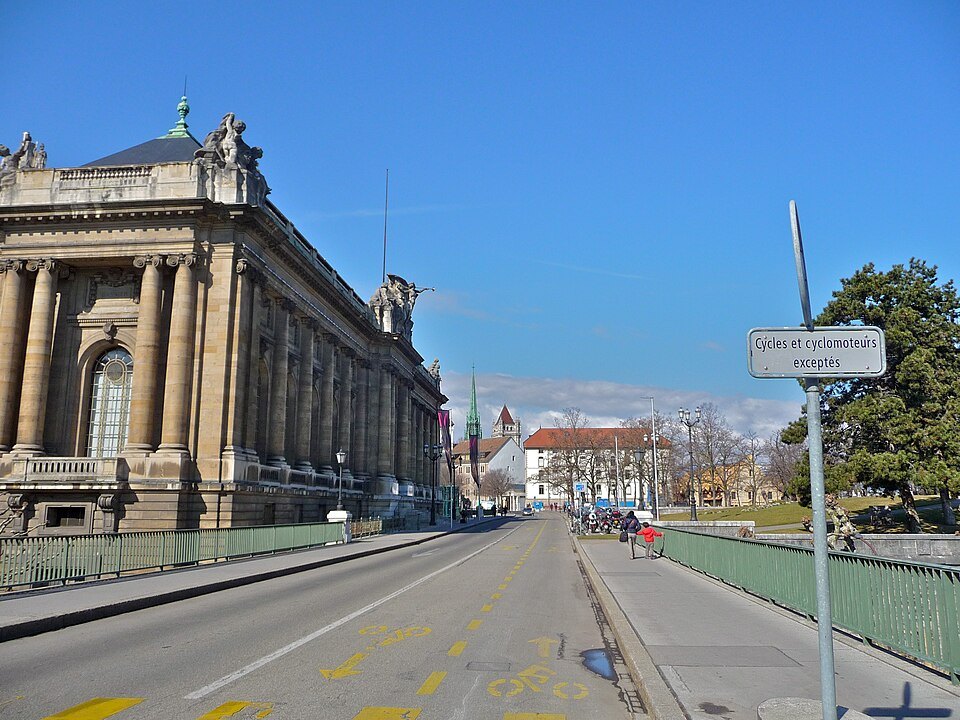
Its facade carries sculptures by Paul Amlehn, with an allegory of the arts in the pediment over the entrance and allegories of archaeology and the applied arts at the corners. Along the upper frieze run the names of Genevan artists, among them Liotard, Töpffer, Calame, Diday and Agasse.
What you actually see
The fine arts collection covers painting from the Middle Ages to the twentieth century, with Genevan, French, Italian, Dutch and Flemish schools. Alongside the Witz altarpiece hang works by Veronese, Rubens, Pissarro, Monet, Cézanne, Picasso and Giacometti, and a series of Genevan and Swiss painters seen together as nowhere else: Liotard, Calame, Hodler and Vallotton.
The museum holds the largest collection in the world of the works of Jean-Étienne Liotard, the eighteenth-century Genevan portraitist in pastel, and a major group of Ferdinand Hodler's work, including the sketchbooks that make up most of his known drawings. Its collection of drawings, pastels and prints, some 27,000 drawings and 350,000 prints, is among the largest in Europe.
The archaeology collections put the museum at the head of Swiss institutions for classical antiquity: statues, sarcophagi, reliefs, inscriptions, pottery and coins. Geneva began collecting ancient coins officially as early as 1535, and the coin room, with about a hundred thousand coins and medals, is the largest in Switzerland.
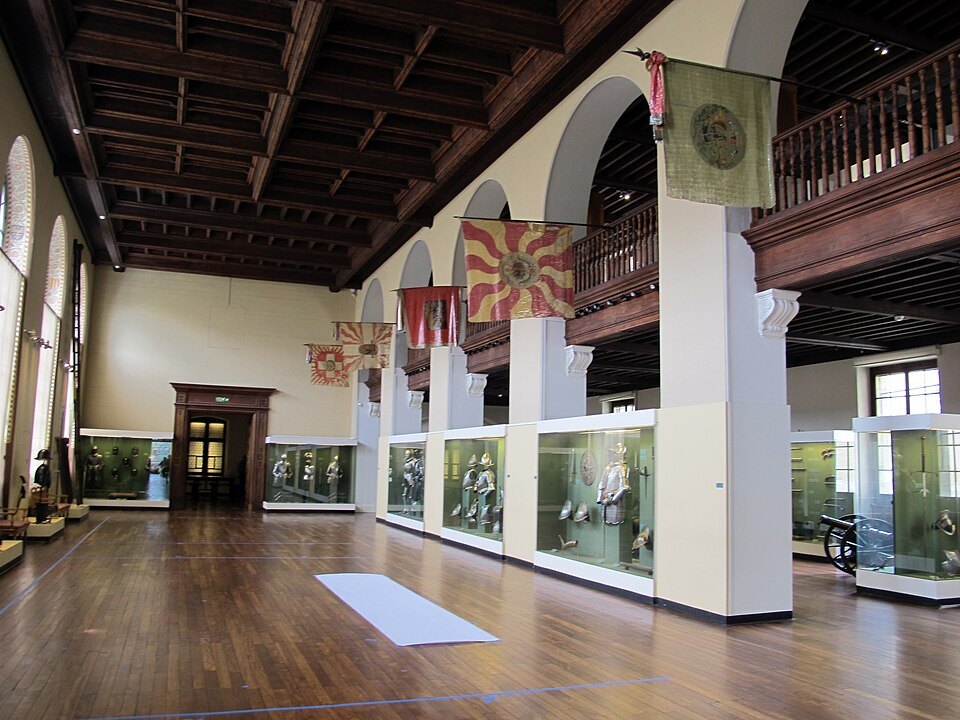
The applied arts rooms follow Geneva's trades and tastes through goldsmiths' work, pewter and silver, early musical instruments, tapestries, lace and furniture. The armor hall, with weapons of the fifteenth to seventeenth centuries, recalls the night in 1602 when the city fought off the Duke of Savoy's troops. Watches, jewelry, miniatures and enamels, from the city's former clock and enamel museum, are another strength.
How to visit
Give it two hours for a first visit and choose: the Witz altarpiece and the Genevan painters, the armor hall and the applied arts, or the archaeology. Trying to see everything in one go is the surest way to see nothing properly.
The museum stands on the Rue Charles-Galland, a short walk downhill from Place du Bourg-de-Four, and close to the Russian Church on the plateau of the Tranchées. It pairs well with the cathedral for a morning in the old town.
Temporary exhibitions change through the year and have their own arrangements, and the MAH's art and archaeology library, the largest art library in Switzerland, can be used by the public. The museum's site has the current hours and exhibitions.
Honest notes
The size of the collection outruns the building. Parts of it were sent out to new museums soon after 1910 for lack of space, and at any time much of it is in storage, so a favorite object seen online is not guaranteed to be on display.
The Witz panel is the best-known work in the museum, so it is worth seeing first, before the rest of the collection tires the eye.
Nearby
- A few steps awayThe Russian ChurchAn Orthodox church of 1863–1866 with nine gilded onion domes, built on the old fortifications when Geneva opened its land to every faith, and painted inside in blue, red and gold.Read the page
- A few steps awayPlace du Bourg-de-Four and the Grand-RueA sloping, hourglass-shaped square on the flank of the old town, a market since Roman times, where the lanes from the lake shore and the Arve met at the city gate.Read the page
- A few steps awaySaint-Pierre CathedralGeneva's cathedral, begun around 1160, stripped bare by the Reformation in 1535, given a classical front in the 1750s, and standing on the ruins of every church that came before it.Read the page