Home · Sights · The Red Cross and Red Crescent Museum
The Red Cross and Red Crescent Museum
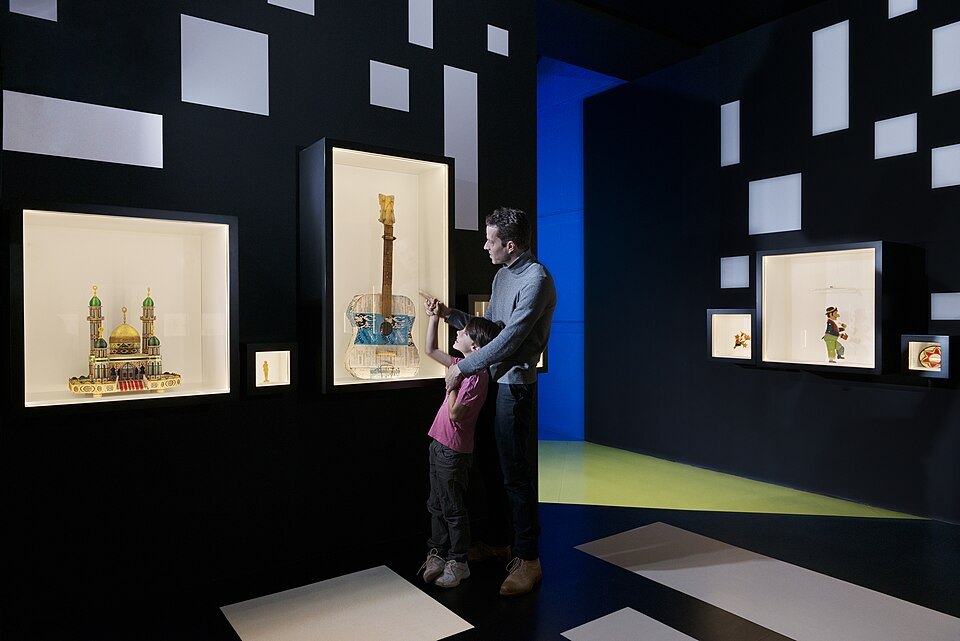
- IDefending human dignityThe first space, designed by the Brazilian architect Gringo Cardia
- IIRestoring family linksThe second, by Diébédo Francis Kéré of Burkina Faso, on people separated by war
- IIIReducing natural risksThe third, by the Japanese architect Shigeru Ban, on disasters and prevention
- IVThe twelve witnessesPeople whose accounts guide visitors through the whole exhibition
- VThe prisoner-of-war archivesRecords of the agency that traced prisoners in the First World War, listed by UNESCO
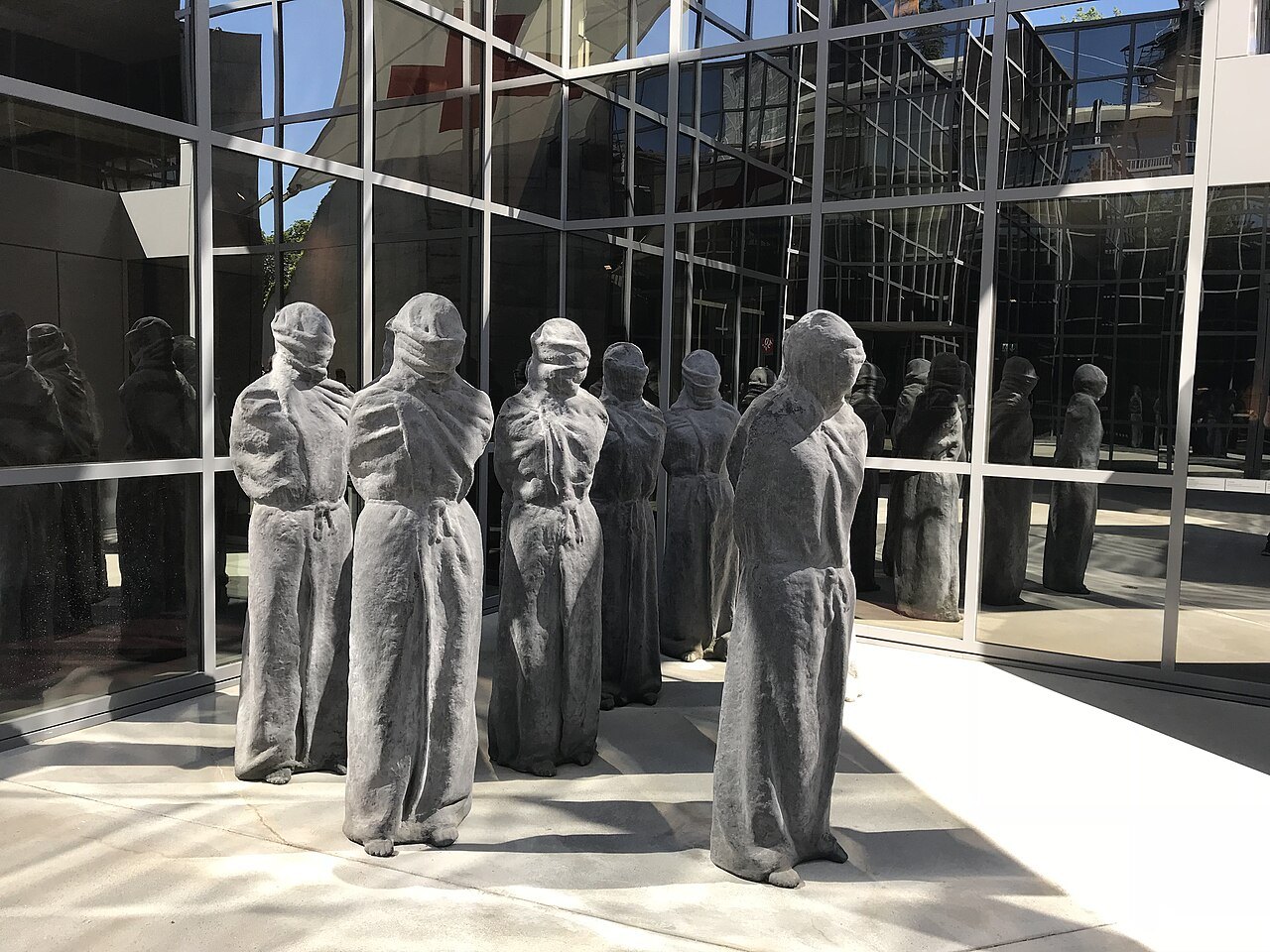
- VILes PétrifiésCarl Bucher's stone figures outside the entrance, hooded and silent
From darkness to light
Why it matters
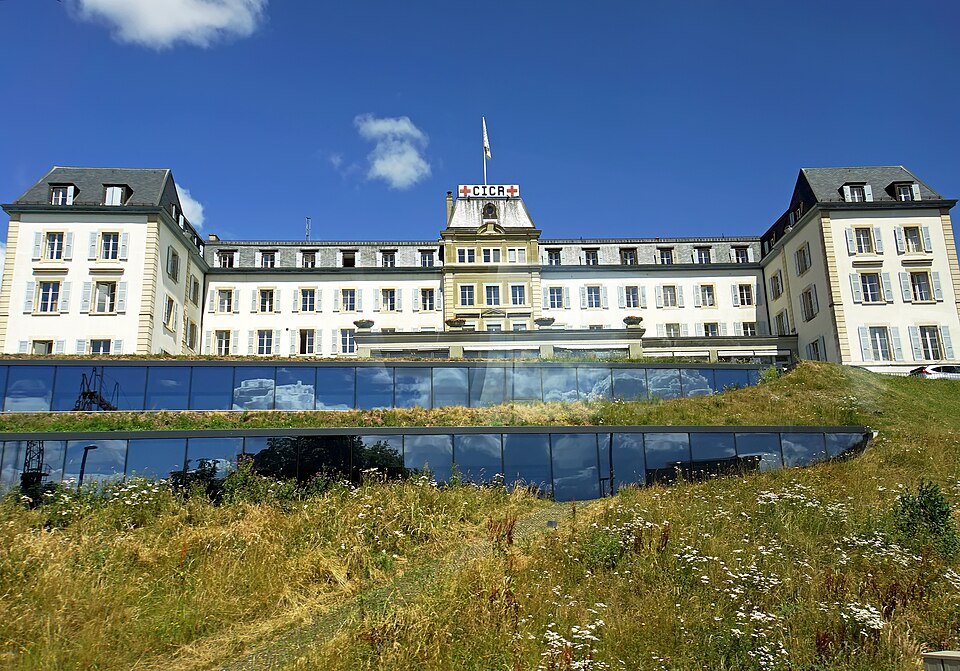
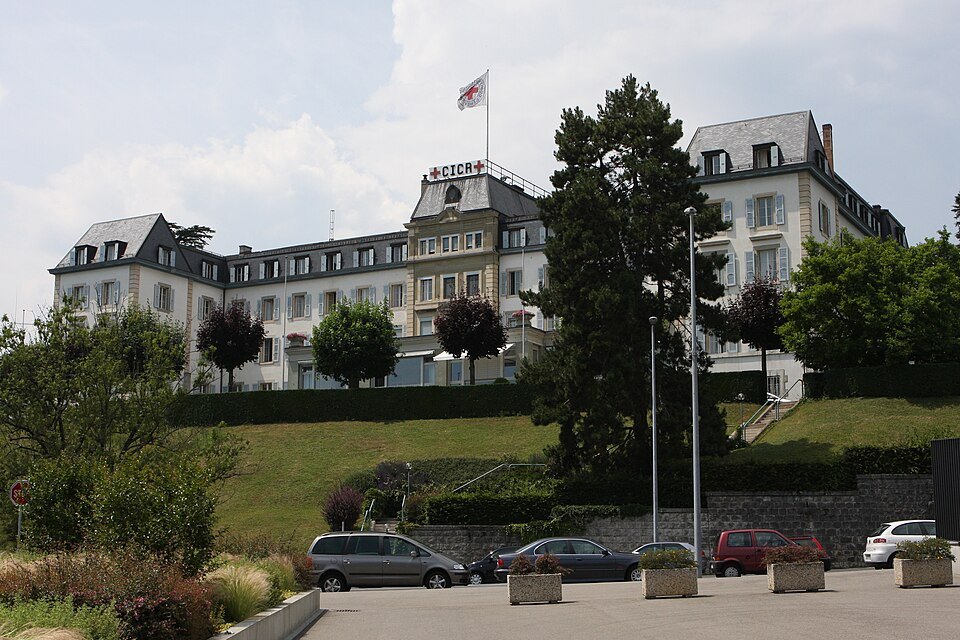
The Red Cross began in Geneva, and this museum is where the city tells that story to visitors. It opened in 1988 next to the headquarters of the International Committee of the Red Cross, on the hill above the lake across the Avenue de la Paix from the Palace of Nations.
It is not a museum of old uniforms and medals, although it has them. Its central question is why humanitarian action concerns everyone, here and now, and it answers through the experience of people caught in war and disaster, and of those who help them.
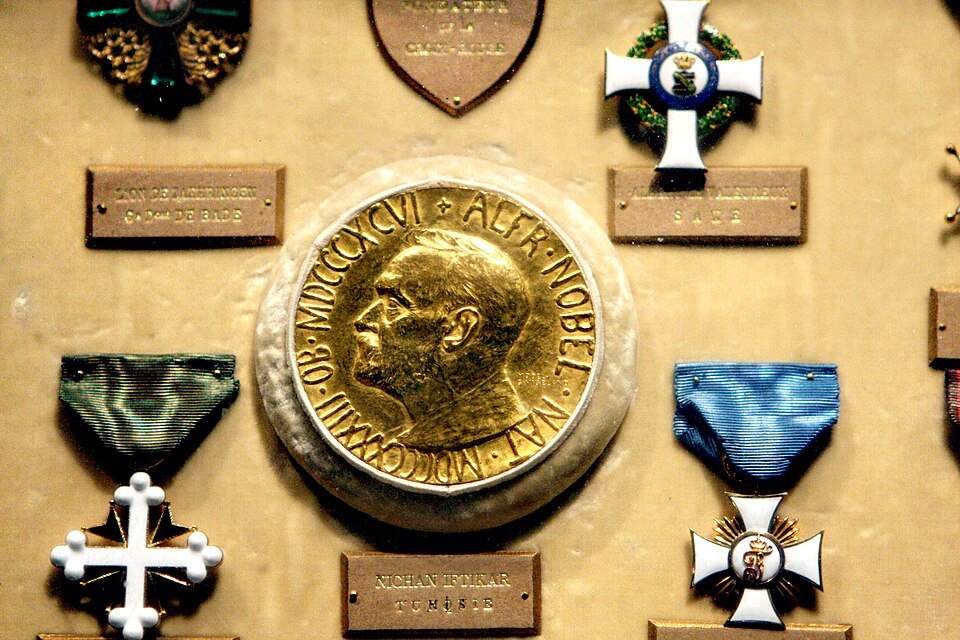
Its collection holds some thirty thousand items, among them the first Nobel Peace Prize medal, awarded in 1901 jointly to the Red Cross founder Henry Dunant and the French pacifist Frédéric Passy, and it welcomes around a hundred and twenty thousand visitors a year.
How the Red Cross began
In June 1859 the Geneva businessman Henry Dunant traveled to Italy and, on the evening of 24 June, reached the small town of Solferino just after one of the great battles of the war there. He was shocked by the suffering of the wounded soldiers left on the field and by the near-total absence of medical care.
Back in Geneva he wrote A Memory of Solferino, published at his own expense in 1862, which called for national volunteer societies to care for the wounded in war. In February 1863 the Geneva Society for Public Welfare took up his proposal and appointed five of its members to a committee that soon declared itself a permanent international committee, the origin of the ICRC.
In October 1863 the committee held an international conference in Geneva, and on 22 August 1864 a diplomatic conference adopted the first Geneva Convention for the care of wounded soldiers. The museum sets its exhibitions against that beginning, and against the work that has followed from it ever since.
The committee's work began at once. In 1864 the doctor Louis Appia and Charles van de Velde, a Dutch army captain, became the first independent and neutral delegates to work under the red cross emblem in a war; an armband that belonged to Appia is among the objects the museum holds.
What you actually see
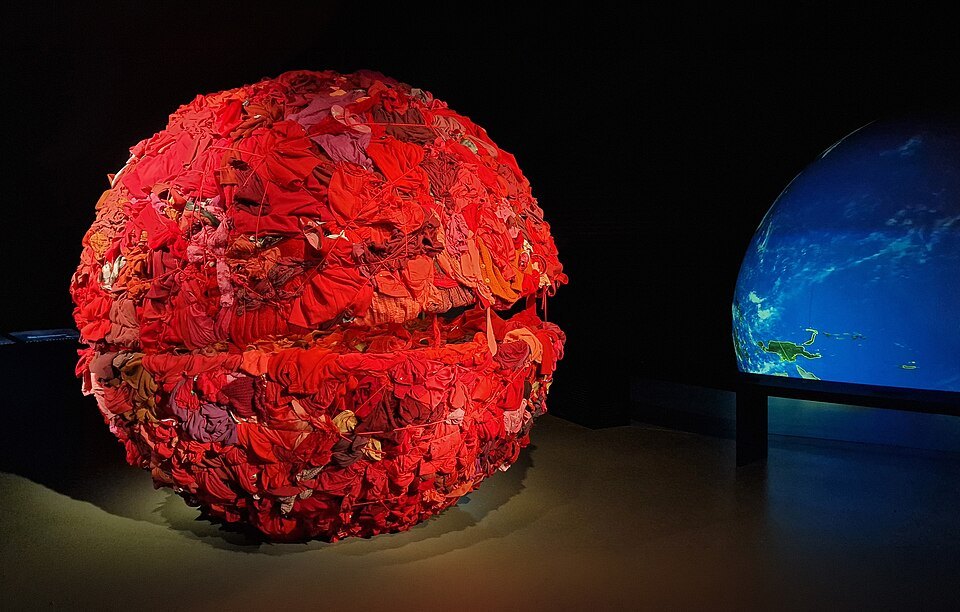
The permanent exhibition, called The Humanitarian Adventure, is organized around three present-day challenges, each in a space created by a different architect. Defending Human Dignity was designed by the Brazilian Gringo Cardia; Restoring Family Links by Diébédo Francis Kéré of Burkina Faso; and Reducing Natural Risks by the Japanese architect Shigeru Ban.
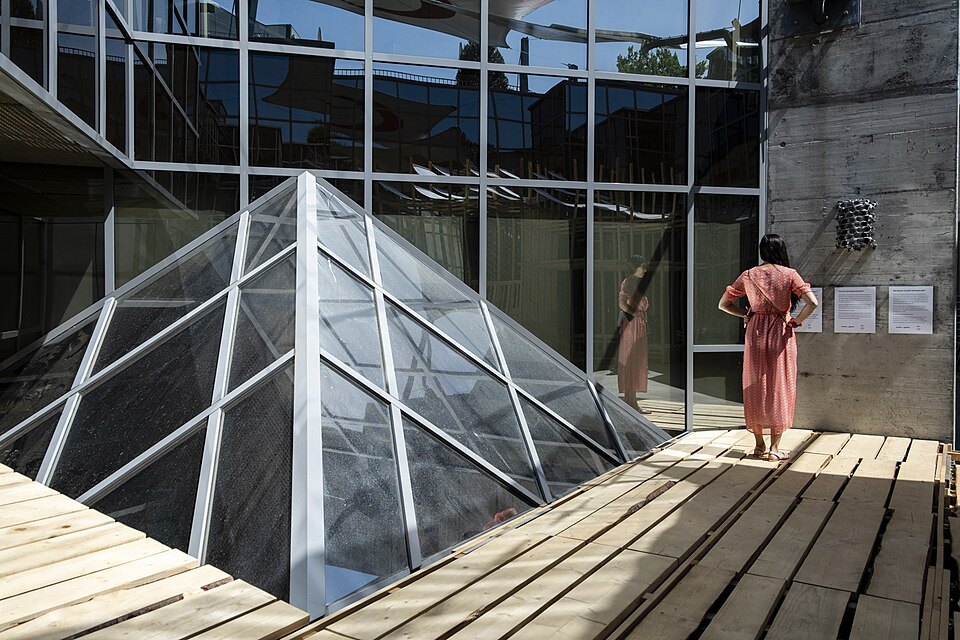
Twelve witnesses are the thread running through it. They greet visitors at the start in an immersive setting and accompany them through the rest of the route, a reminder that human relationships are at the heart of humanitarian work. In each space, an experience meant to sharpen the senses comes before the information itself.
Among the most moving parts of the collection are the archives of the International Prisoners of War Agency, which the Red Cross set up during the First World War to trace prisoners and reunite families. UNESCO has placed them in its Memory of the World register for their role in reconnecting people separated by that war.
Outside, at the approach to the entrance, stand Les Pétrifiés, a group of hooded stone figures by the Swiss artist Carl Bucher, a silent introduction to what the museum is about.
Exhibitions and themes
Alongside the permanent exhibition, the museum presents about three temporary exhibitions a year and works with artists and cultural partners in Switzerland and abroad on new work about humanitarian values and current crises.
Since 2021 it has also chosen an annual theme, beginning with gender and diversity, which shapes its exhibitions, debates and events for the year. That makes a second visit worthwhile for anyone who has already seen the permanent galleries.
The museum describes itself as a place of memory, creation and debate, and its exhibitions are designed to leave room for reflection as well as information.
Its funding has been debated in recent years. In 2024 the Swiss government, cutting costs, moved the museum's federal support from the foreign ministry to the culture ministry, which raised fears for its budget; in 2025 an agreement shared that support between the culture ministry, the canton of Geneva and the foreign ministry.
How to visit
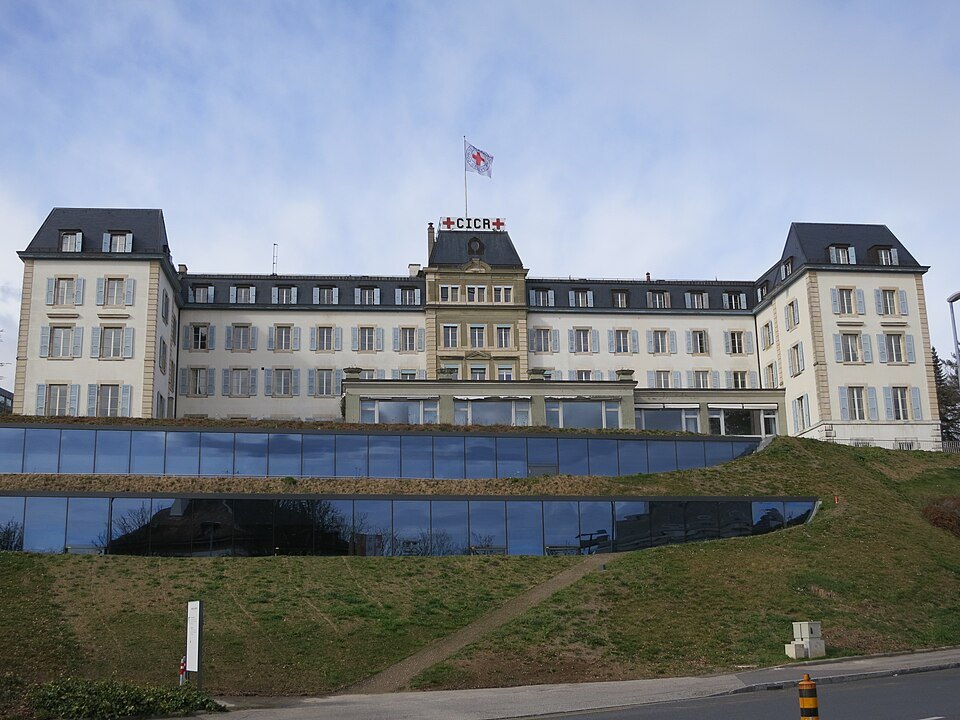
Give it an hour and a half to two hours. Parts of the exhibition deal directly with war, captivity and disaster; the route is designed to be taken at your own pace, with space to pause.
The museum is on the Avenue de la Paix, a short walk uphill from the Place des Nations, which is itself a short tram ride from Cornavin station. It combines naturally with the Broken Chair and a guided tour of the Palace of Nations, which needs booking, and with the Musée Ariana a few minutes away.
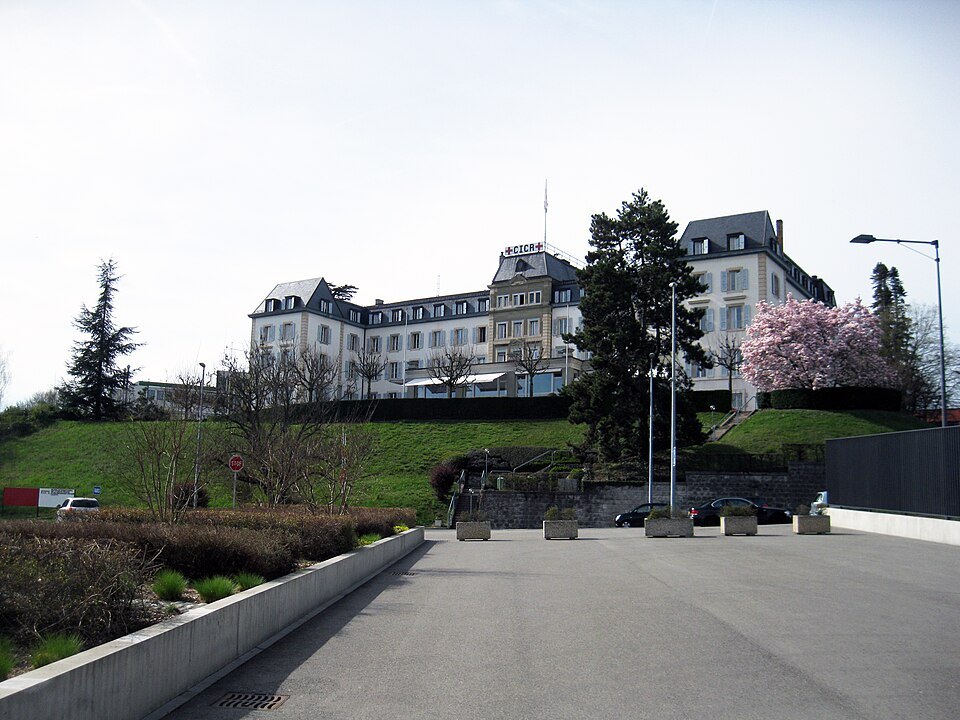
Temporary exhibitions and events have their own arrangements, and the museum's own site gives the current ones. The ICRC headquarters next door is a working humanitarian organization and is not part of the visit.
Nearby
- A few steps awayThe Palace of Nations and the Broken ChairThe palace built between 1929 and 1938 for the League of Nations and home to the United Nations since 1946, with the Place des Nations, its twelve-meter Broken Chair, and the long avenue of flags in front.Read the page
- A few steps awayThe Musée ArianaA collector's palace of 1877–1884, named for his mother and left to the city, that now holds Switzerland's museum of ceramics and glass beside the Palace of Nations.Read the page
- A few steps awayThe Botanical Garden and the Lakeside ParksTwenty-eight hectares of gardens, glasshouses and rock gardens between the lake and the UN park, founded in 1817 and among the great botanical institutions of the world, with a chain of lakeside parks running back toward the city.Read the page