Home · Itineraries
Day by day
One day
- Morning
- The Reformation Wall in the Parc des Bastions, up to the Promenade de la Treille and the town hall, then the Place du Bourg-de-Four and St. Pierre Cathedral, with the north tower if the day is clear.
- Afternoon
- Down through the old town to the Rhône and Île Rousseau, across to the Jardin Anglais and the flower clock, and out along the Eaux-Vives jetty to the Jet d'Eau.
- Evening
- A Mouettes water bus across the harbor to the Pâquis, a walk along the Quai du Mont-Blanc past the Brunswick Monument, and dinner in the Pâquis.
Two days
- Day one
- The one-day route above: the old town hill, the Rhône, the left-bank shore and the harbor.
- Day two, morning
- The tram to the Place des Nations and the Broken Chair, a booked tour of the Palace of Nations, and the Red Cross and Red Crescent Museum across the avenue.
- Day two, afternoon
- The Musée Ariana, then down through the botanical garden and the lakeside parks of Perle du Lac and Mon Repos, back along the water to the Bains des Pâquis.
Three days
- Days one and two
- The old town and harbor, then the international quarter, as above.
- Day three, on the water
- A paddle steamer along the lake to Yvoire, or the train to Lausanne and Lavaux, or on to Montreux and Chillon Castle.
- Day three, in the city
- Or stay: the Musée d'Art et d'Histoire, the Russian Church, the Jonction where the Rhône meets the Arve, and an evening in Carouge.
Five days
- Days one to three
- The old town and harbor, the international quarter, and a day on the lake or in the city, as above.
- Day four
- Up the Salève by bus and cable car for the view, back for Parc La Grange and the Eaux-Vives shore in the evening.
- Day five
- CERN's Science Gateway in the morning, Carouge and the Jonction in the afternoon.
Seven days
- Days one to five
- As above.
- Day six
- Lausanne, Lavaux and Chillon Castle along the north shore by train.
- Day seven
- Annecy across the border, or Yvoire by boat, with a last evening on the quays.
A day of bise or rain
- Morning
- The Musée d'Art et d'Histoire and the Maison Tavel on the old town hill.
- Afternoon
- The archaeological site beneath the cathedral, then the Red Cross and Red Crescent Museum and the Ariana by tram.
- Evening
- A performance at the Grand Théâtre if you have booked, or a café on the Place du Bourg-de-Four.
Geneva Itineraries for One, Two and Three Days
How to use these routes
Geneva is small, and most of it can be walked. The routes here are built around three facts of its geography: the old town on its hill on the left bank, the harbor and the lakefront where the lake becomes the Rhône, and the international quarter on the rise of the right bank, a short tram ride from the station.
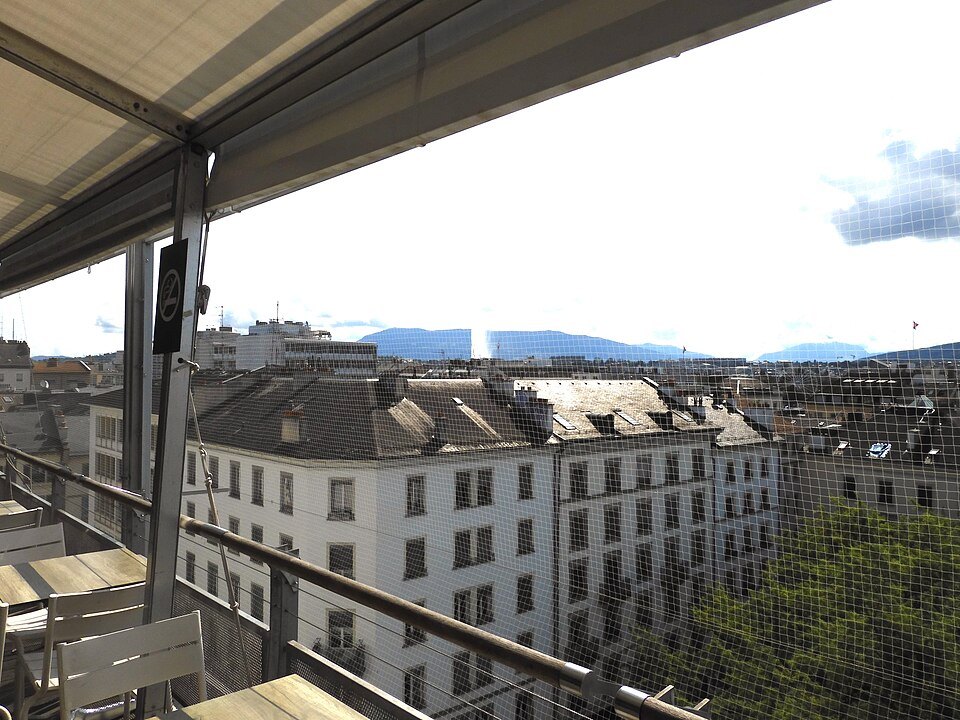
They are also built around the weather. The lake and the parks are best on a clear day, when Mont Blanc may show over the far end of the water; the museums and the old town's covered places are for rain and for the bise, the cold northeasterly wind that can make the quays bitter in winter. Swap days freely to match the forecast.
Each stop has its own page in this guide with what to see and how long to give it. Only the tour of the Palace of Nations needs booking ahead.
Half a day
With only a few hours, stay on the water. From Cornavin walk down to the Quai du Mont-Blanc and the Pont des Bergues, cross by Île Rousseau, and follow the left bank through the Jardin Anglais to the Jet d'Eau.
Take a Mouettes water bus back across the harbor to the Pâquis and walk out along the jetty to the lighthouse at the Bains des Pâquis for the view back to the old town, the cathedral and the Salève. The loop takes a couple of hours at a stroll and shows the city at its most characteristic.
One day
Start in the Parc des Bastions at the Reformation Wall, where Calvin, Farel, Beza and Knox stand under the city's motto, Post Tenebras Lux. Climb to the Promenade de la Treille, with its long bench under the chestnut trees, and pass the town hall, where the Alabama arbitration sat in 1872.
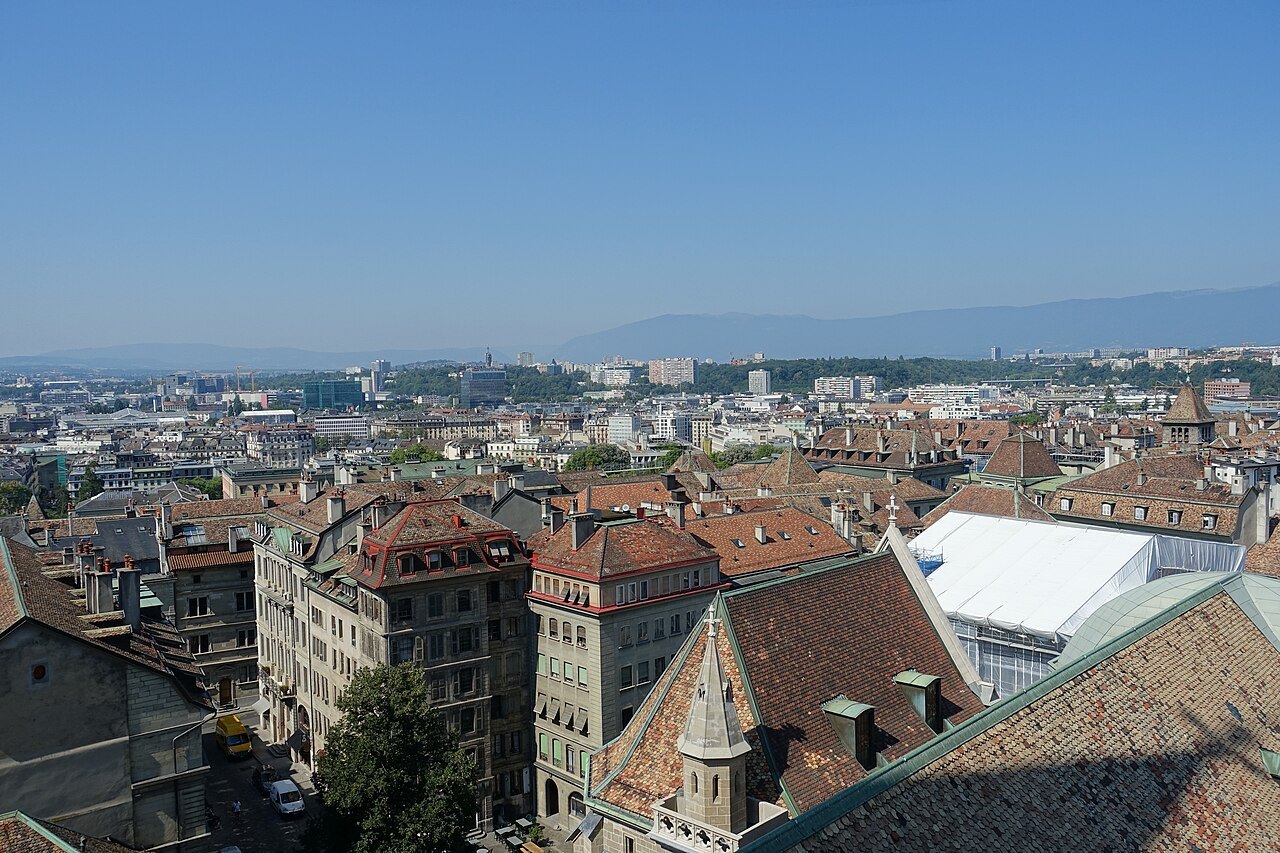
A few lanes on, the Place du Bourg-de-Four sits on the site of the Roman forum. Above it, St. Pierre Cathedral, begun around 1160, is where Calvin preached; on a clear day climb the north tower for the view over the roofs to the lake and the Jet d'Eau.
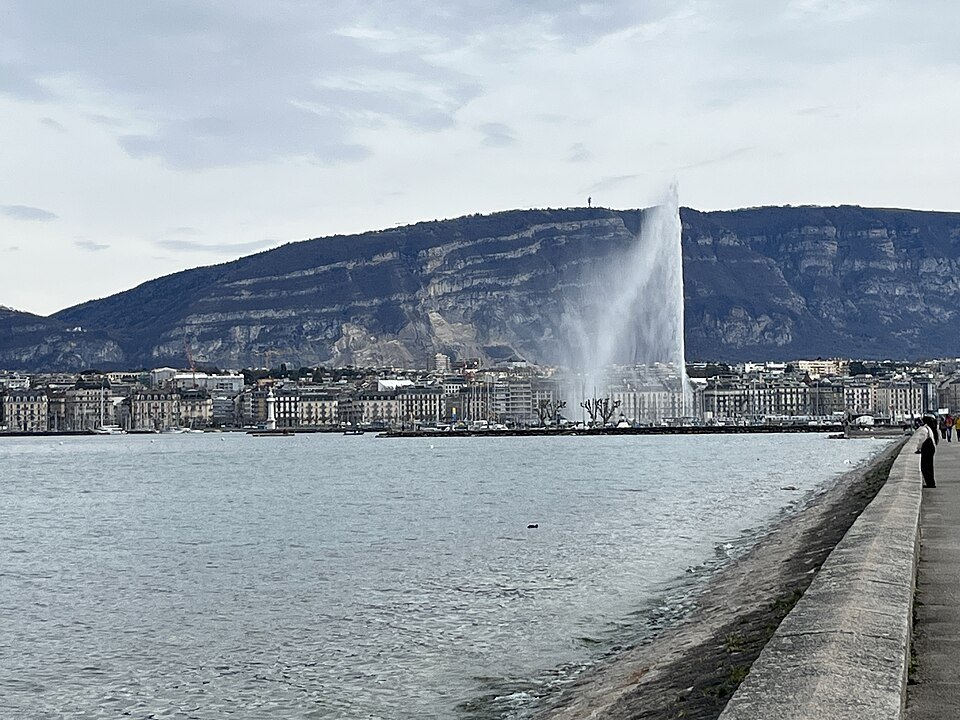
Walk down through the lanes to the Rhône and cross to Île Rousseau, then follow the left bank to the Jardin Anglais and its flower clock. Out along the Eaux-Vives jetty, the Jet d'Eau throws its plume above the harbor; watch the wind before you walk out, or you will be soaked.
End the day on the water. A Mouettes water bus crosses the harbor to the Pâquis, and from there the Quai du Mont-Blanc leads past the grand hotels and the Brunswick Monument. The Pâquis, the most cosmopolitan quarter in the city, is the place for dinner.
Two days
Give the second day to international Geneva. Take the tram from Cornavin to the Place des Nations, about eight or nine minutes, to see the Broken Chair and the avenue of flags. If you have booked a guided tour of the Palace of Nations, arrive about half an hour early with your passport or Schengen-area identity card.
Across the Avenue de la Paix, the Red Cross and Red Crescent Museum tells the story of humanitarian action from Solferino to the present. Give it an hour and a half to two hours.
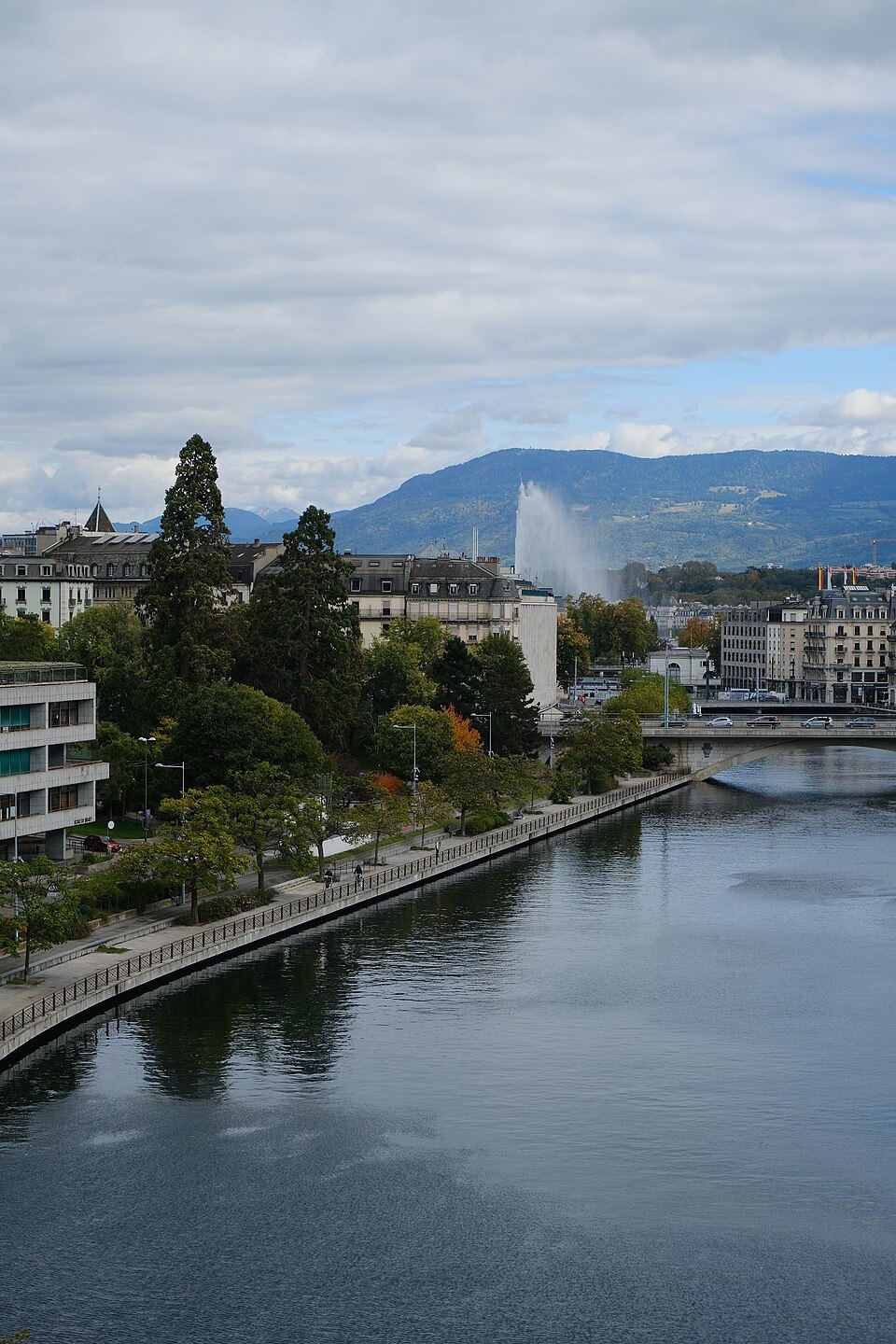
After lunch, visit the Musée Ariana, the Swiss museum of ceramics and glass, in its domed collector's palace next door. Then walk down through the botanical garden, with its glasshouses and rock gardens, and follow the lakeside parks of Perle du Lac and Mon Repos back toward the Pâquis. On a summer evening, end with a swim at the Bains des Pâquis; in winter, the buvette on the jetty serves fondue.
Three days
The third day is the one to spend on or beyond the lake. In the summer timetable, the CGN's Belle Époque paddle steamers sail from the Mont-Blanc and Jardin Anglais landings to Yvoire, a fortified medieval village on the French shore; the Day Trips page covers the other routes.
By train, Lausanne is forty to fifty minutes away, with its cathedral on the hill and a metro to climb it, and the vineyard terraces of Lavaux beyond. Go further, a little over an hour to Montreux, for Chillon Castle on its rock in the lake.
If you would rather stay in the city, spend the morning at the Musée d'Art et d'Histoire, see the gilded domes of the Russian Church nearby, and walk in the afternoon down the Rhône to the Jonction, where its clear turquoise water meets the milky gray Arve. In the evening, take the tram to Carouge, the old Sardinian town across the Arve.
Five days
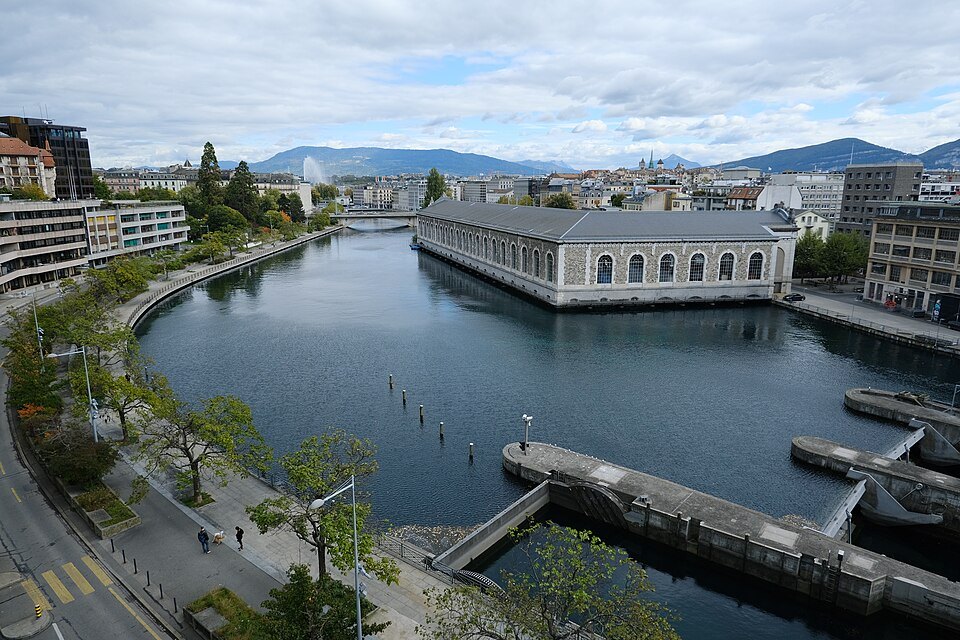
With five days, add the mountains and the laboratory. A bus from Cornavin reaches the border at Veyrier in about twenty-five minutes, and the cable car on the French side climbs the Salève, the Balcony of Geneva, for a view over the whole city, the lake, the Jura and, on clear days, Mont Blanc. Come down for an evening walk through Parc La Grange and along the Quai Gustave-Ador.
On the fifth day, take the tram to CERN at Meyrin, about twenty-five minutes from Cornavin, for the Science Gateway exhibitions, free with registration. In the afternoon, go to Carouge across the Arve and walk down to the Jonction, where the Rhône and the Arve meet.
Seven days
A week lets you see the whole lake. Give the sixth day to the Swiss shore by train: Lausanne and its cathedral hill, the vineyard terraces of Lavaux, and Chillon Castle on its rock beyond Montreux, a little over an hour from Geneva on the direct train.
On the seventh, cross into France. Annecy, about an hour and a half by train and bus, has its canals and lake; or take a paddle steamer in the summer timetable to Yvoire, the fortified village on the French shore. For both French trips, carry the identity documents you need for Schengen travel, and keep the last evening for the quays of Geneva.
With children
Geneva is an easy city for families. The Jet d'Eau and the Mouettes water buses make an adventure of an ordinary afternoon; the jetties, the beaches along the Quai Gustave-Ador and the Bains des Pâquis are made for summer afternoons.
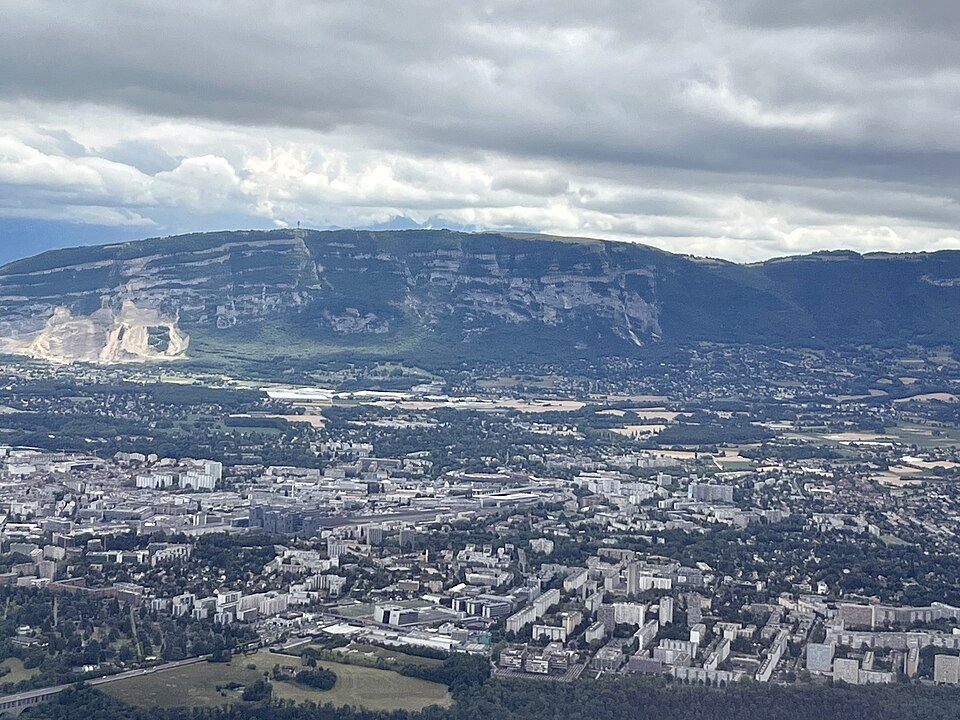
Parc La Grange has a playground and a paddling pool, and the botanical garden has a small animal park and the Botanicum family area near the lake, with a play space and a carousel. On a wet day, the Red Cross and Red Crescent Museum suits older children, and CERN's Science Gateway, free with registration, is a short tram ride away.
More photographs
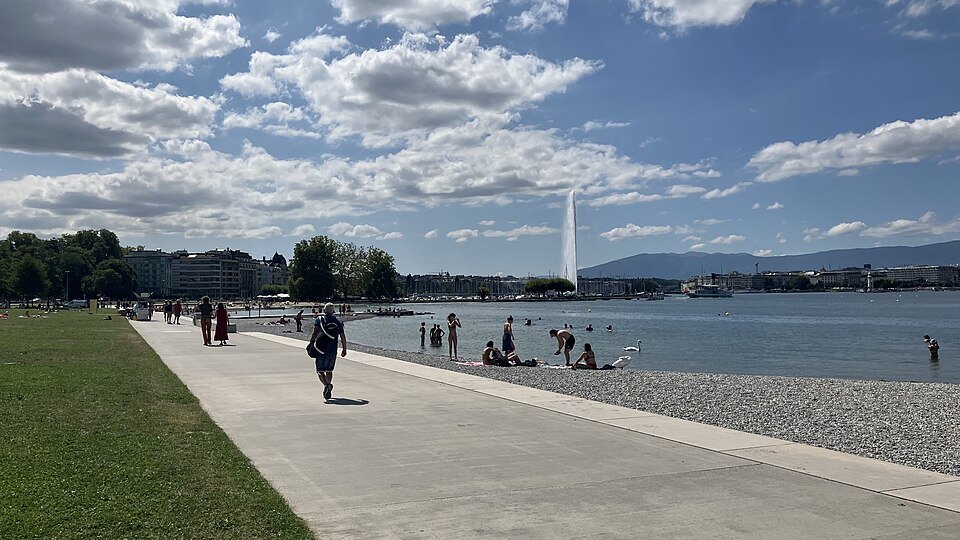
Walkers on the lakeside promenade at Eaux-Vives, the Jet d'Eau offshore3lisai-4u, Wikimedia Commons, CC0 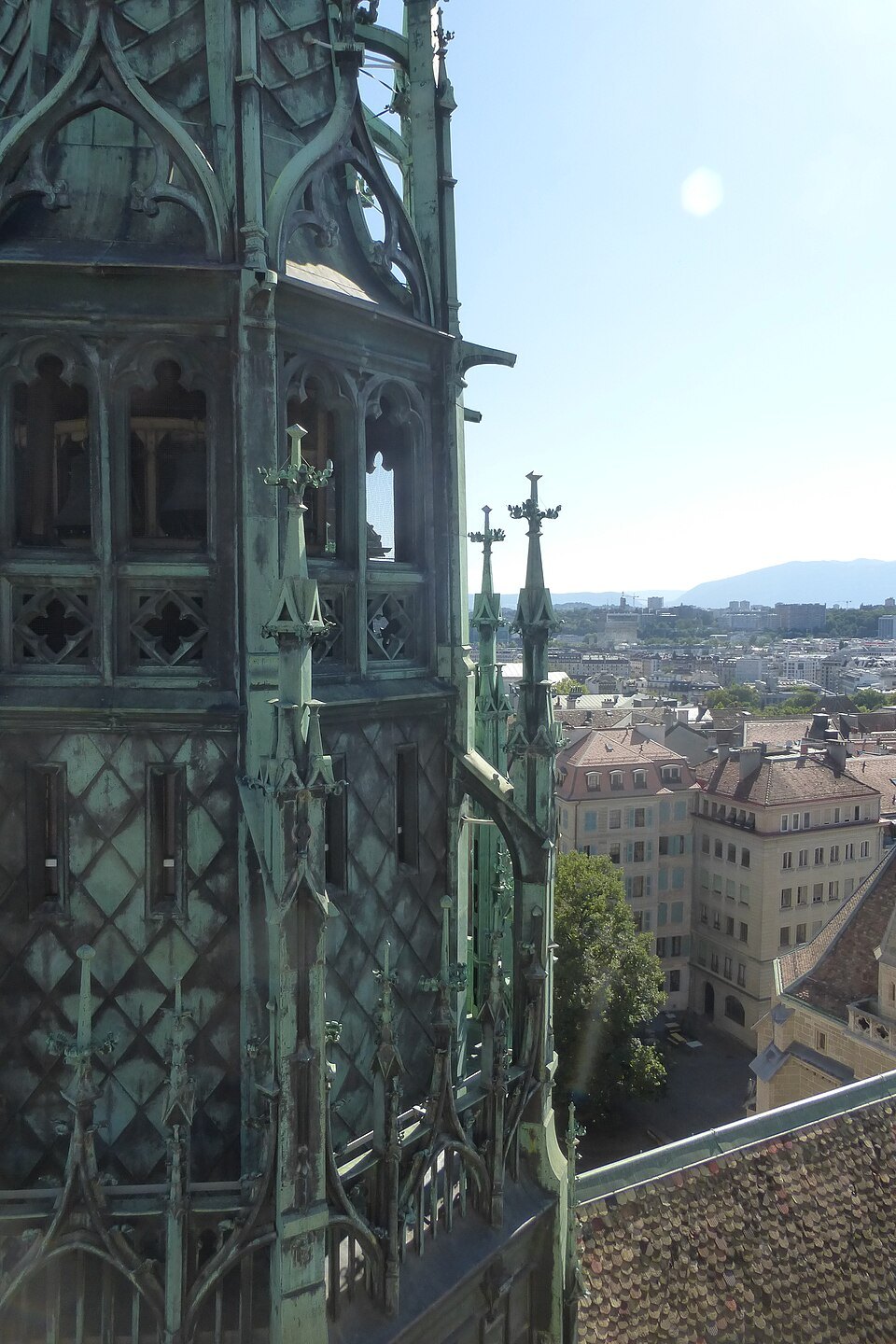
The cathedral spire's green metalwork seen from the north towerMHM55, Wikimedia Commons, CC BY-SA 4.0