Home · Where to Stay
The quarters, and who each one suits
- The Pâquis and CornavinTravelers arriving by train or plane who want everything on foot and food from everywhereThe grid of streets between the station and the lake: grand hotels on the quay, the most cosmopolitan quarter in the city behind them, and the Bains des Pâquis at the end of the jetty. Lively late, and Geneva's red-light district in its northern streets.
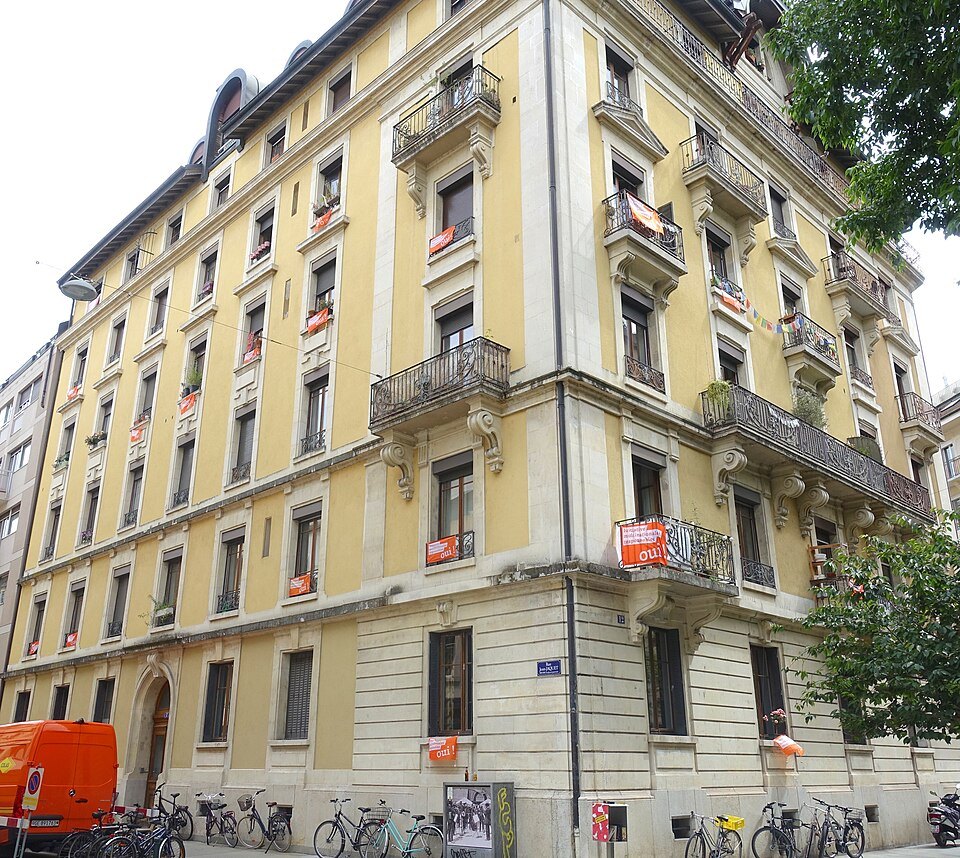
- Saint-GervaisVisitors who want the center of the right bank, by the Rhône bridgesThe old watchmaking quarter by the Rhône, rebuilt in the twentieth century into a business district, a few minutes from the station, Île Rousseau and the bridges to the left bank.
- The old townVisitors who want the cathedral, the squares and the museums at the doorThe hill of the medieval city on the left bank, around the cathedral, the town hall and the Place du Bourg-de-Four. Steep lanes and stepped passages; wear good shoes.
- The Eaux-VivesTravelers who want the lake, the parks and the Jet d'Eau on the doorstepThe former commune on the left bank east of the old town, running from the Jardin Anglais to Parc La Grange, with the beaches of the Quai Gustave-Ador and a Léman Express station.
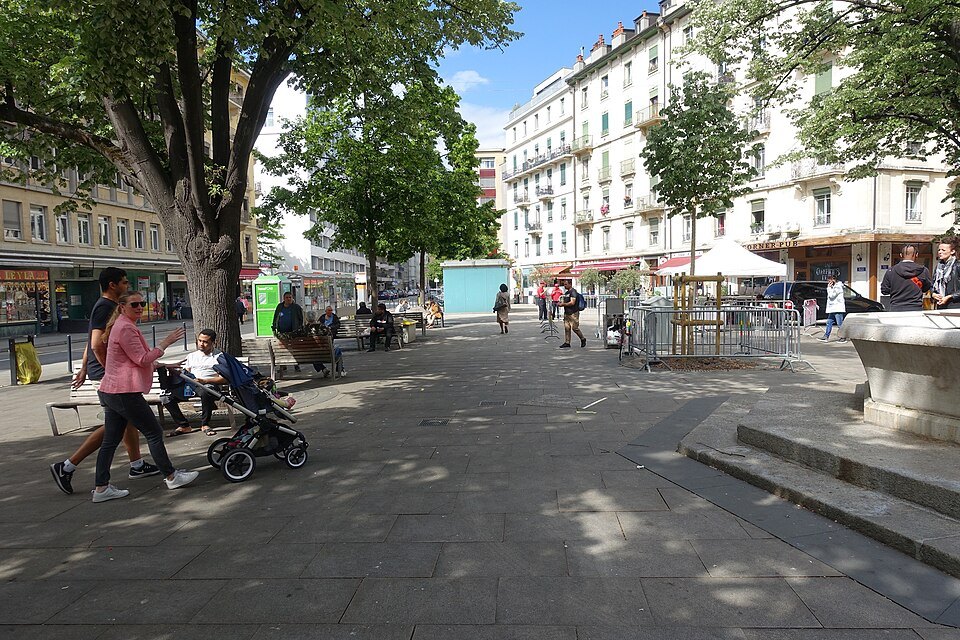
- PlainpalaisVisitors who want a lived-in neighborhood between the old town and the ArveThe old commune between the Rhône and the Arve, centered on the great diamond-shaped plain, with the Parc des Bastions and the Place Neuve at its edge.
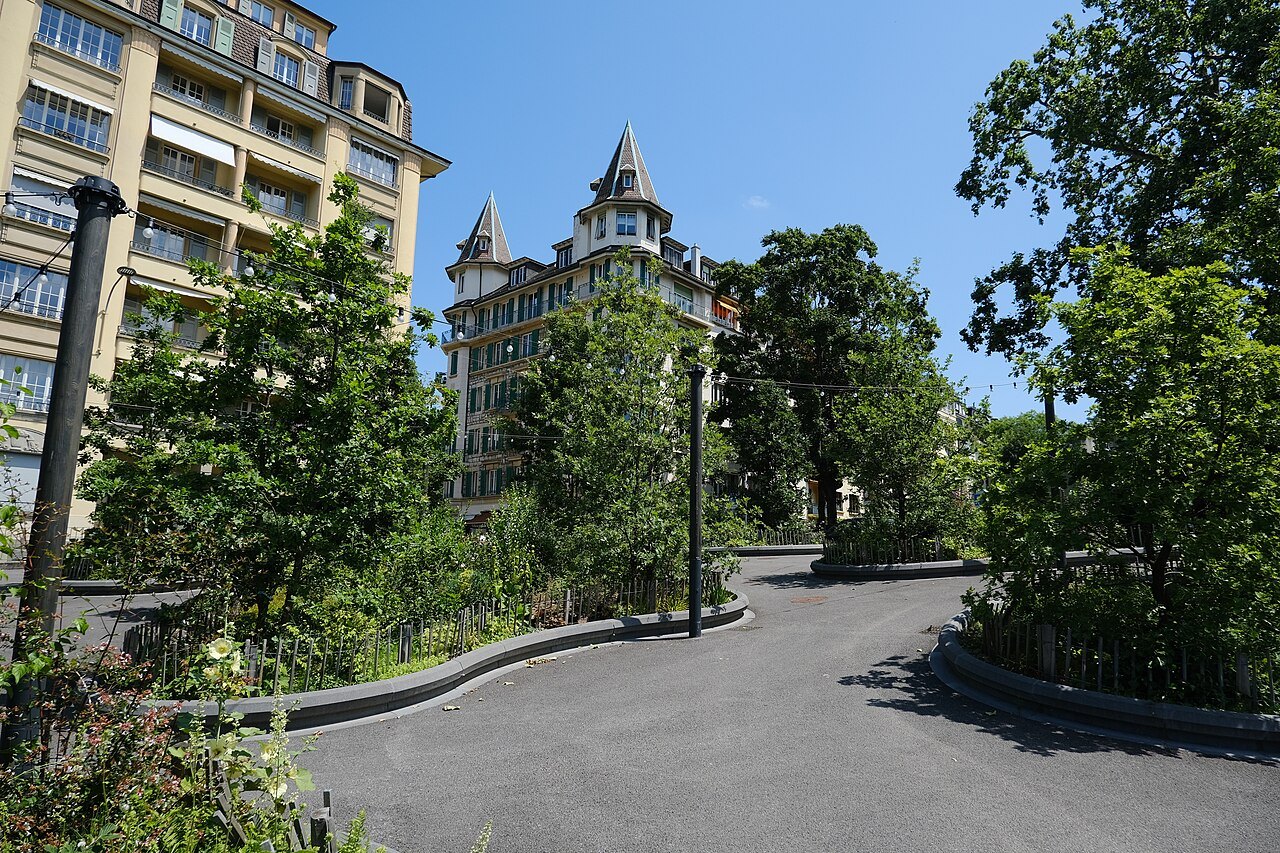
- ChampelTravelers who want a quiet residential base with green spaceOne of the city's most affluent residential quarters, on the plateau above the Arve, with the Parc Bertrand and a Léman Express station.
- Nations and SécheronVisitors with business in the international quarterThe district of the organizations, between the Place des Nations and the lakeside parks, a tram ride from Cornavin; calm in the evening and close to the botanical garden.
- CarougeVisitors who want a small-town atmosphere and do not mind the tramA separate municipality across the Arve, laid out by the King of Sardinia from the 1760s and joined to Geneva in 1816, about a quarter of an hour from Cornavin by tram.
Where to Stay in Geneva
The short version
For a first visit, stay on the right bank between Cornavin station and the lake, in the Pâquis or around Saint-Gervais. You arrive at the door from the airport, you can walk to the lake and across the bridges to the old town, and trams leave from the station for the Place des Nations.
For a quieter stay close to the water and the parks, choose the Eaux-Vives on the left bank. For atmosphere, look at the old town itself or at Carouge. Wherever you stay, if the accommodation is registered with Geneva Tourism, you will receive the free Geneva Transport Card for your whole stay.
The right bank
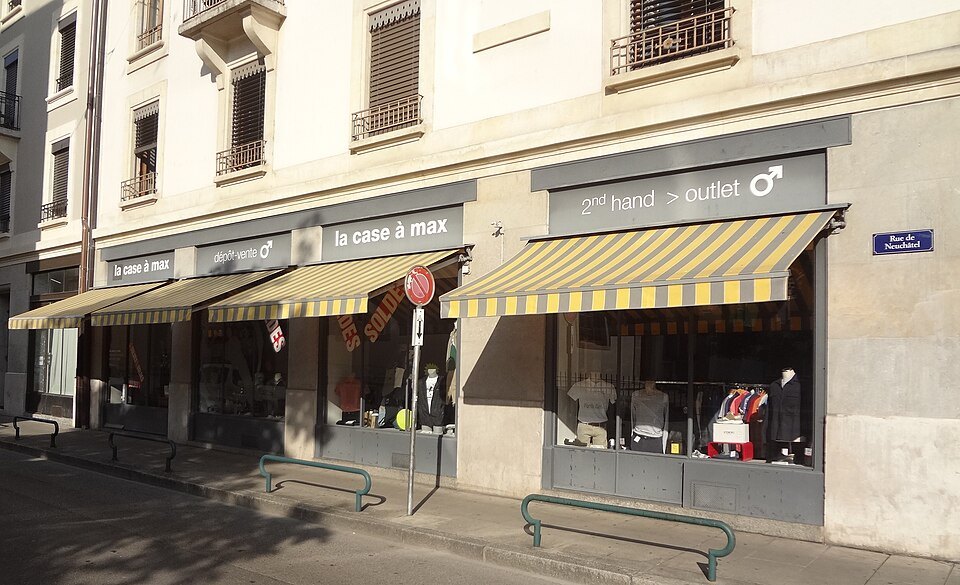
The Pâquis were once common pastures outside the fortifications, the name coming from the local word for pasture. When the walls came down from 1850, the quarter was built up: hoteliers raised luxury hotels along the lake, among them the Beau-Rivage and the Richemond, and a grid of new streets named after Swiss cities, the Rue de Berne, de Neuchâtel, de Fribourg, de Bâle and de Zurich, filled the land between the Rue du Mont-Blanc and the parks.
The lakefront of the Pâquis carries a piece of diplomatic history. One of its nineteenth-century hotels, the Hôtel National, later became the Palais Wilson, the first home of the League of Nations secretariat before most of its staff moved to the new Palace of Nations in 1936. The quays of the Mont-Blanc and Wilson run past it toward the lakeside parks, a promenade for anyone staying in the quarter.
Behind the grand hotel fronts, the Pâquis became a popular quarter of bistros, cabarets and dance halls, and today it is the city's most cosmopolitan district, with every nationality and cuisine side by side and more than 250 cafés, bars and restaurants. It is also Geneva's red-light district, and its streets stay lively late at night.
Saint-Gervais, south of the station along the Rhône, was the cradle of Geneva's watchmaking industry and a working-class quarter before large twentieth-century developments turned it into one of the city's business centers. It sits beside the bridges, Île Rousseau and the Quai des Bergues.
The old town and the left bank
The old town occupies the hill of the medieval city on the left bank, around St. Pierre Cathedral, the town hall, the Maison Tavel and the Place du Bourg-de-Four. It is the most atmospheric place to stay, but its lanes are steep and stepped. Choose it if you travel light.
Below it to the east, the Eaux-Vives take their name from the abundant springs of the area. A separate commune from 1798 until it merged with the city in 1931, it runs along the lake from the Jardin Anglais toward Parc La Grange and the Parc des Eaux-Vives, with the Jet d'Eau on its jetty and the public beach on the Quai Gustave-Ador. The Léman Express station at Eaux-Vives connects it directly with Cornavin and the airport line.
To the southwest, Plainpalais was once a marshy plain outside the walls, then a market-garden suburb growing cabbages, artichokes, lettuces and cardoons. Its great diamond-shaped plain, planted with avenues of trees in the eighteenth century, is still the quarter's center, and the Parc des Bastions and the Place Neuve are at its edge.
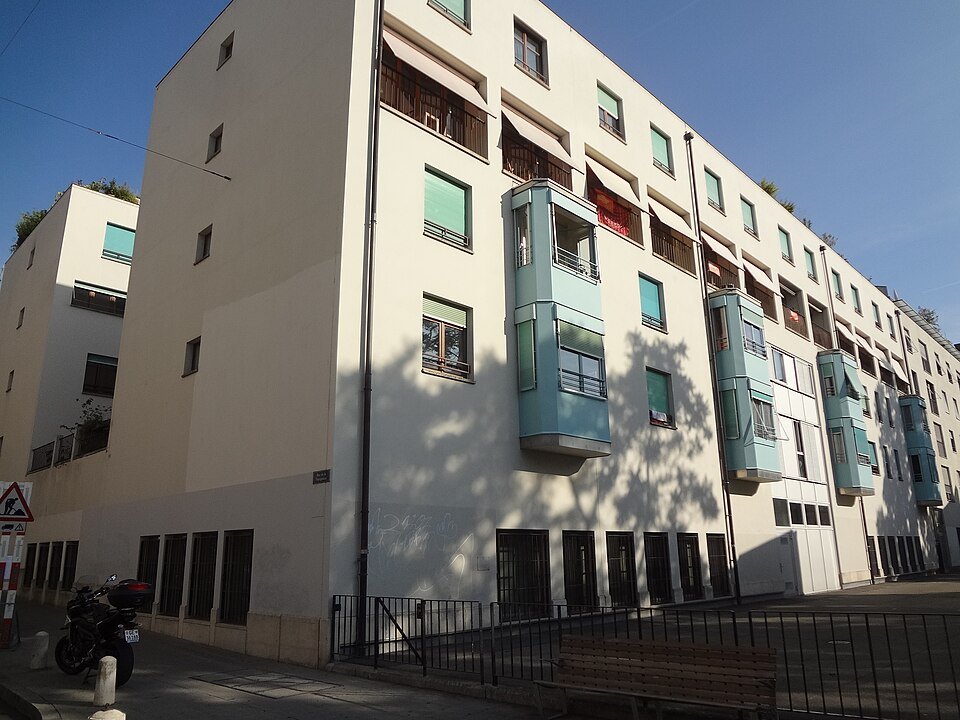
Plainpalais also holds some of the city's memory. The Savoyard troops massed on its plain on the night of the Escalade in 1602, and the Cimetière des Rois, founded in 1482 for plague victims outside the walls, became the only cemetery in use for the city after the Reformation. It is now Geneva's pantheon, where many of the city's notable figures lie, and a quiet place to walk.
Champel and the international quarter
Champel, on the plateau above the Arve, is one of the most affluent residential quarters of Geneva, with generous green space and a short run into the center. The Parc Bertrand, one of the largest public parks in the city at about eleven hectares, has a children's paddling pool, playgrounds and a Japanese-style garden, and the Tour de Champel, a romantic folly, overlooks the cliffs of the Arve. Champel has its own Léman Express station, about twelve minutes from Cornavin.
On the right bank, Sécheron and the Nations quarter lie between the lakeside parks and the Place des Nations. Once home to the Sécheron industrial works, Sécheron now hosts international organizations, among them the World Trade Organization in the Centre William Rappard and the World Meteorological Organization. It is the natural base for anyone with meetings at the UN, and it puts the botanical garden and the lakeside parks within walking distance.
Carouge
Carouge is not strictly Geneva at all but a separate municipality across the Arve. It was built as a new town by Victor Amadeus III, King of Sardinia and Duke of Savoy, from the 1760s, became a city in 1786, and passed to the canton of Geneva under the Treaty of Turin in 1816.
Its planned streets and squares, laid out under a different sovereign, give it a character of its own. It is about a quarter of an hour from Cornavin by tram, which makes it a pleasant base for visitors who like to come home to somewhere smaller than the city.
How to choose
Arriving by train or plane with luggage, stay near Cornavin. The station is the hub for the airport trains, the trams and the lakefront, and every central quarter is within a walk or a short tram ride.
Traveling with children, look at the Eaux-Vives or Champel, near the big parks, the beaches of the Quai Gustave-Ador and the paddling pools of Parc La Grange and the Parc Bertrand.
Visiting for the UN or another organization, stay in the Nations quarter or near Cornavin, from where the tram reaches the Place des Nations in about eight or nine minutes. For a short romantic stay, the old town or the lakefront hotels of the Quai du Mont-Blanc are the classic settings.
More photographs
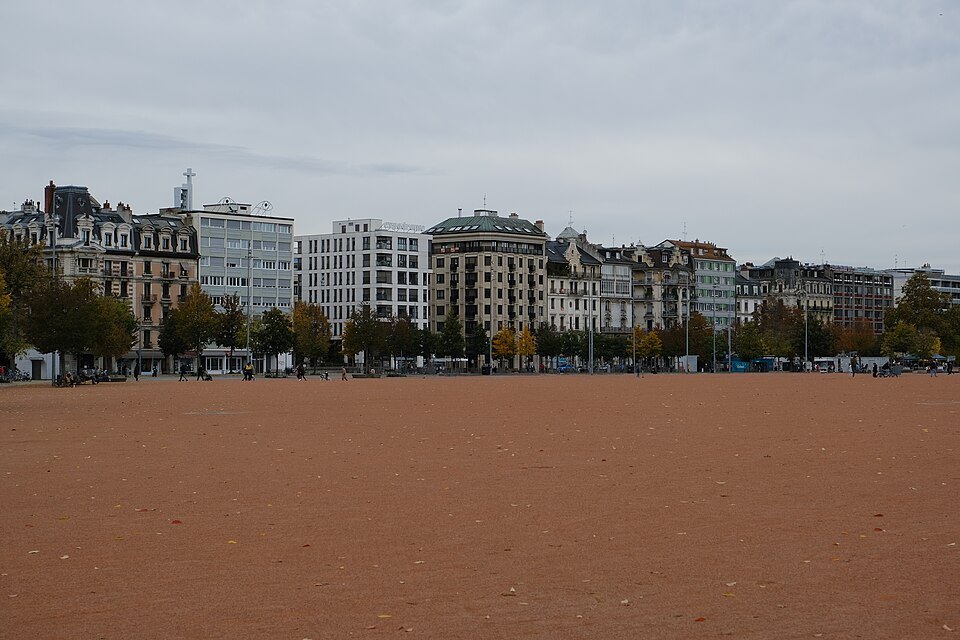
The open plain of Plainpalais under a gray sky, the city around its edgesGuilhem Vellut from Annecy, France, Wikimedia Commons, CC BY 2.0 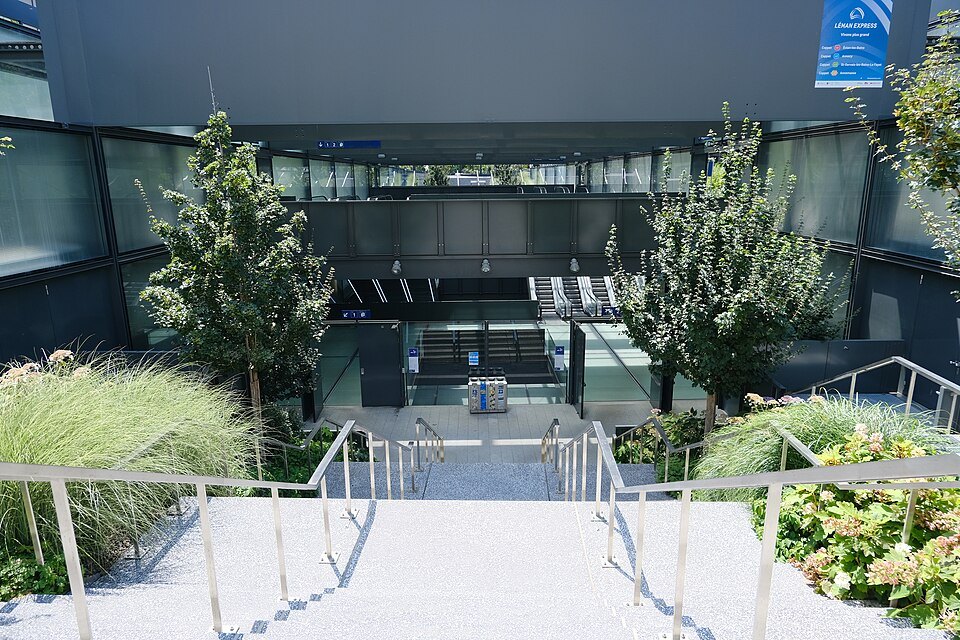
Planted steps leading down to the entrance of Champel station on the Léman ExpressGuilhem Vellut from Annecy, France, Wikimedia Commons, CC BY 2.0