Home · Eating & Drinking
What belongs to Geneva
The Geneva table
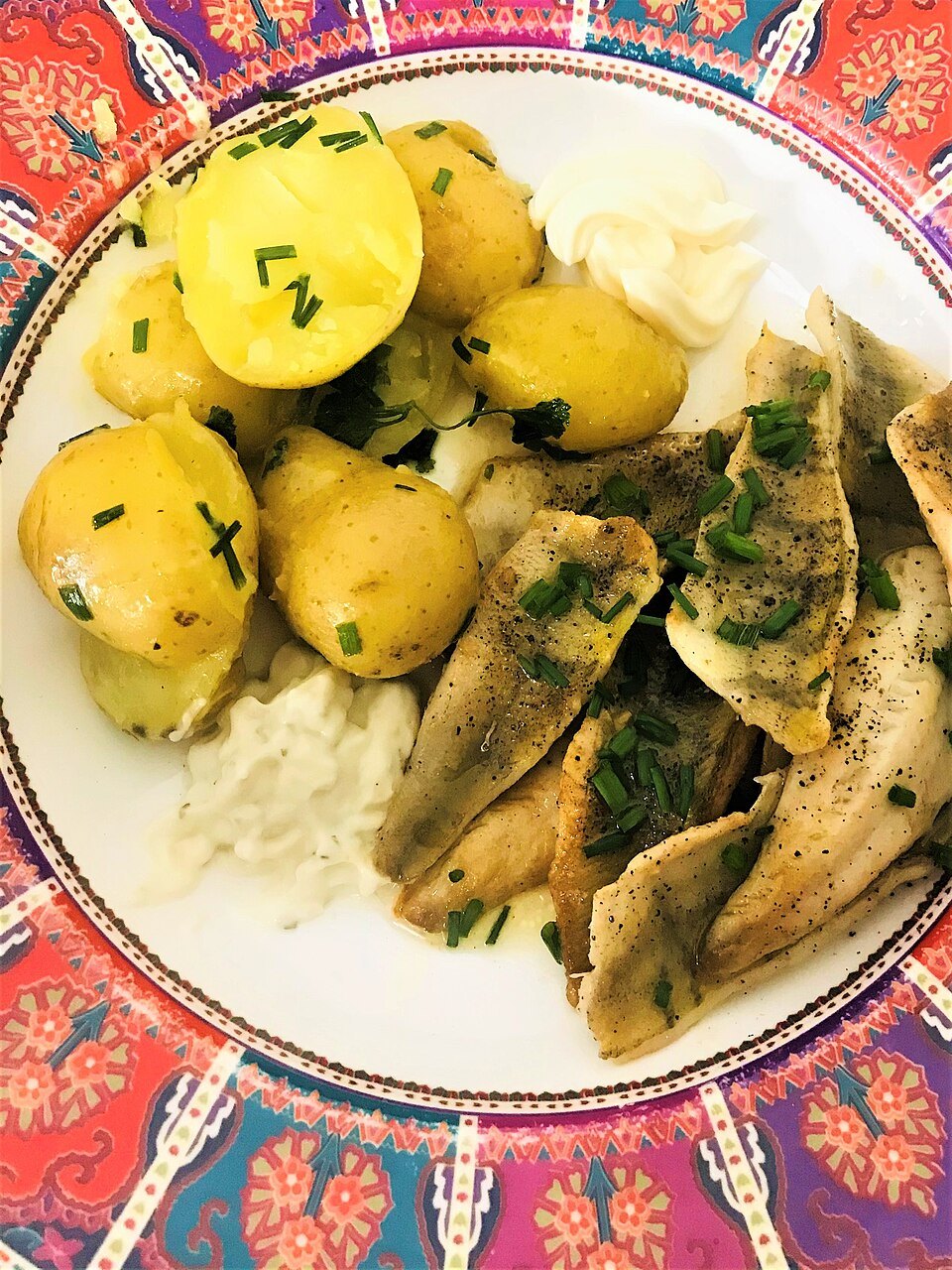
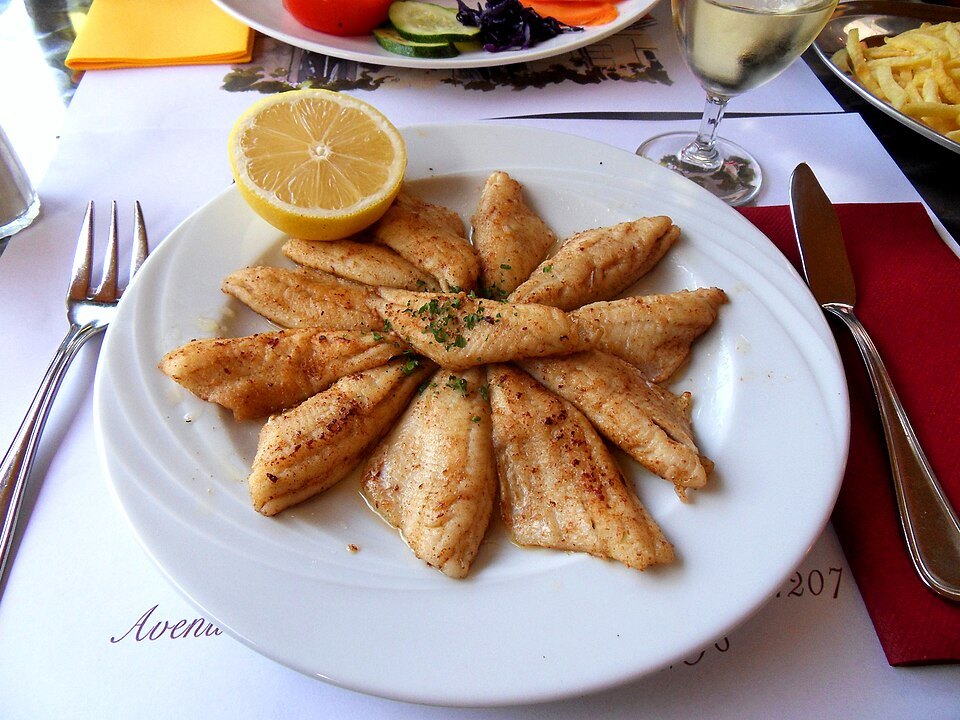
- Filets de percheSmall fillets of lake perch, served with a meunière butter sauce, found all around the lake on both sides of the border
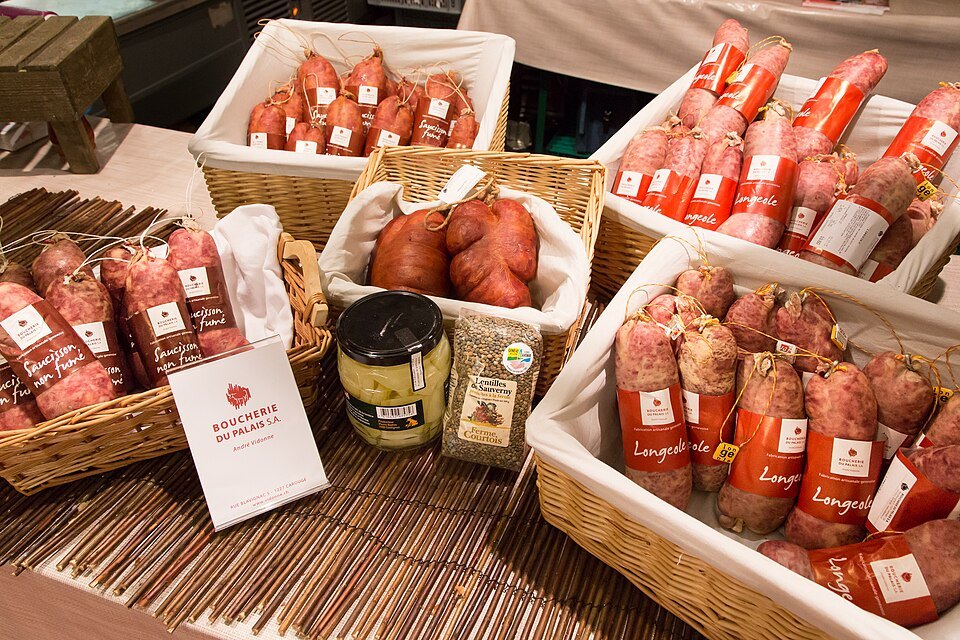
- LongeoleA pork sausage flavored with whole fennel seeds, simmered slowly and protected as a regional specialty since 2009
- Gratin de cardonsThe spiny Geneva cardoon, a protected product since 2003, baked in a gratin, traditionally on Christmas Eve
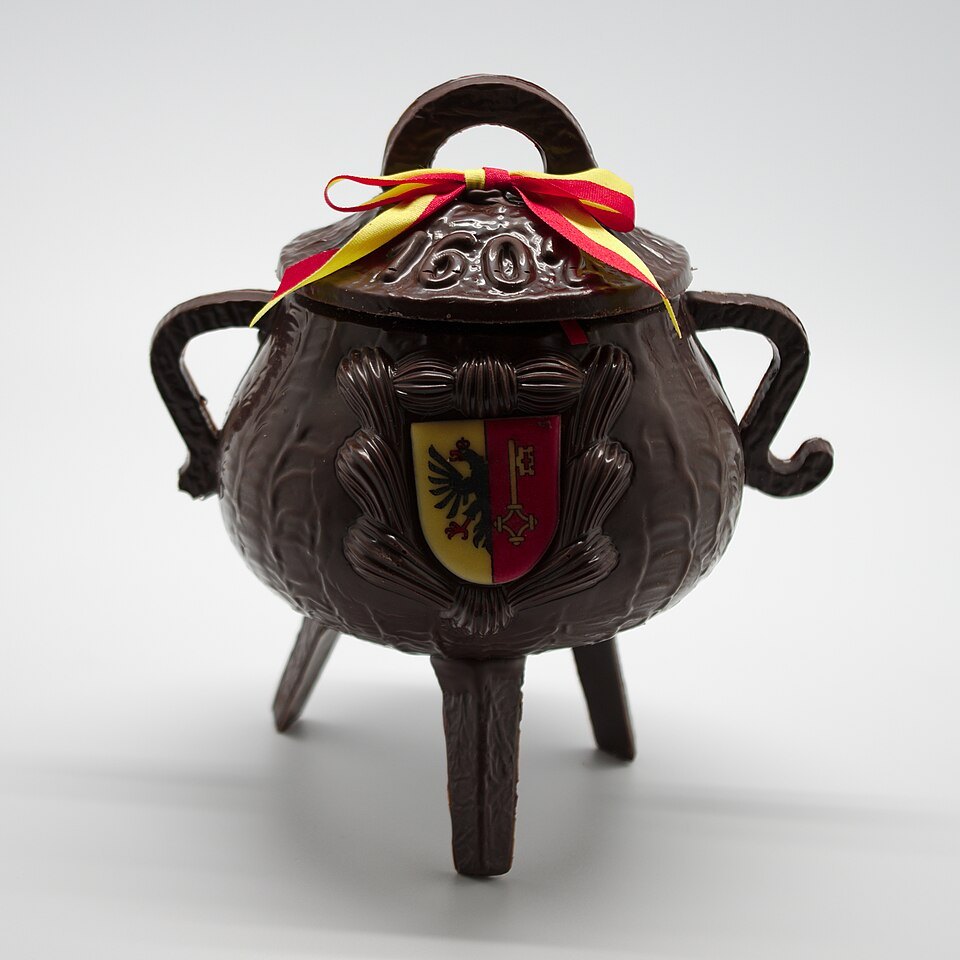
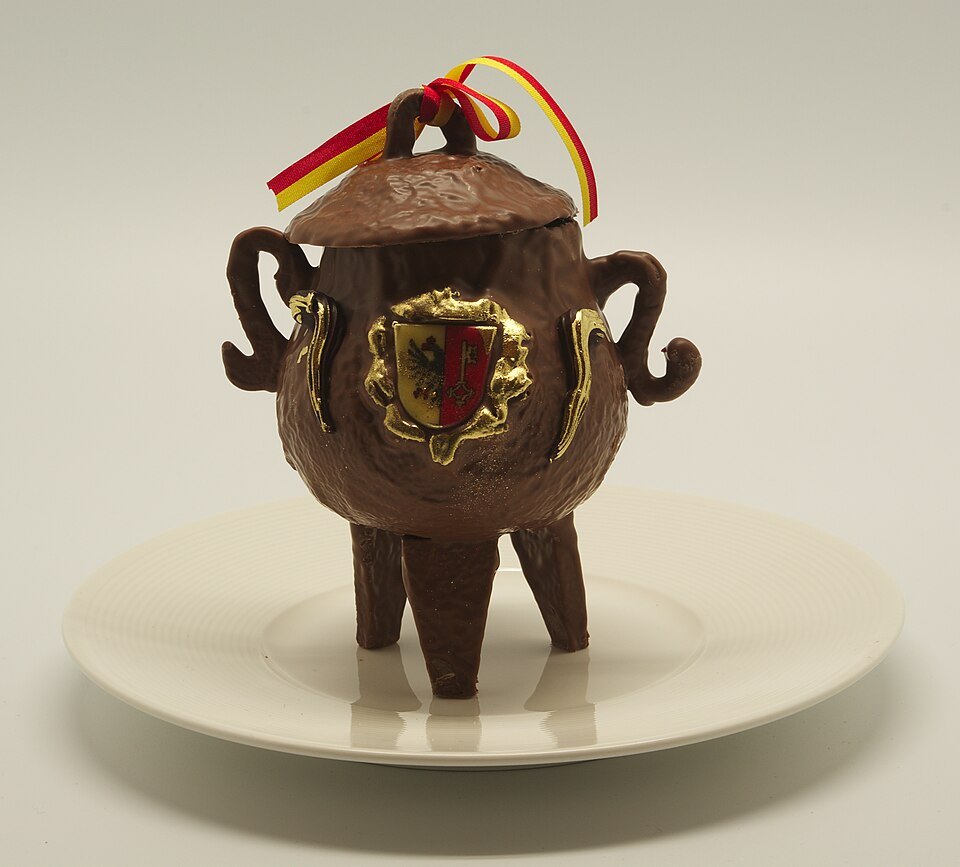
- Marmite de l'EscaladeA chocolate cauldron filled with marzipan vegetables, smashed by the youngest and eldest at the table in December
- Tarte aux pruneauxPlum tart, the tradition for the Jeûne genevois, the canton's own holiday in September
- RissolesPastries filled with cooked pears, spices and candied peel, a winter sweet of the Geneva region
- Geneva wineGamay, Pinot Noir, Chasselas and Gamaret from the canton's vineyards, most of them around Satigny
Eating and Drinking in Geneva
The short version
Eat perch fillets by the lake, try a longeole with potatoes if you see one on a menu in the colder months, and drink a glass of Geneva wine; the canton makes around a tenth of all Swiss wine. In December, buy a chocolate marmite for the Escalade.
Be clear about what Geneva is and is not. The fish of the lake, a vineyard some two thousand years old and the produce of its market gardens are the foundations of its cooking. Fondue and raclette belong to Switzerland as a whole rather than to Geneva in particular, but they are easy to find, and in winter the buvette at the Bains des Pâquis serves fondue on the jetty.
Perch from the lake
The dish most visitors meet first is filets de perche: small fillets of perch from the lake, usually served with a meunière sauce. It appears extremely often on restaurant menus in Geneva, and it is a specialty of the whole shore of the lake, on both the Swiss and French sides.
Other lake fish have their place too. The traditional repertoire includes filets de féra à la genevoise, made with the whitefish of the lake. The féra caught today is not the original native species, which was last recorded in 1920 and is now extinct, but an introduced relative that has kept the name.
Perch from the lake itself is the local version, and a table by the water in summer is the obvious place to eat it.
Longeole and the winter table
The longeole is Geneva's sausage: pork meat with cheek or neck fat, raw rind and whole fennel seeds, cooked for a long time in simmering water and traditionally served with potatoes cooked in white wine. It has been a protected geographical indication since 2009.
Its origins are claimed across the border. Legend credits a monk called Father Longeot at the abbey of Pomier in Haute-Savoie with adding fennel and rind to an ordinary sausage mix. The oldest known written mention of the name is in a Geneva glossary published in 1820, and by 1932 more than half of the country inns in a Geneva food guide advertised longeole as their draw.
The other great winter dish is the gratin de cardons. The cardoon, a relative of the artichoke with a similar taste, is grown in Switzerland only in the canton of Geneva, where the spiny silver variety of Plainpalais received a protected designation of origin in 2003. A Geneva tradition holds that Huguenot refugees brought it in 1685, but it was already being served in the city in 1566. Baked with white sauce, it is one of the dishes of the traditional Christmas Eve meal around Geneva and Lyon.
Sweets for the calendar
Geneva's sweets follow its festivals. For the Escalade in December, confectioners sell chocolate marmites, cauldrons filled with marzipan vegetables and sweets wrapped in the red and gold of Geneva, recalling the soup that legend says the Mère Royaume poured on the Savoyard attackers in 1602. The youngest and the eldest in the room smash the marmite together.
In September, for the Jeûne genevois, the canton's own holiday on the Thursday after the first Sunday of the month, the tradition is tarte aux pruneaux, a plum tart.
Through the winter, look for rissoles, half-moons or strips of pastry filled with pears cooked with sugar, spices, lemon zest and candied orange peel or raisins, sometimes with red wine or liqueur. The traditional repertoire also includes merveilles, fried pastries, and a Geneva pear tart.
The canton's wine
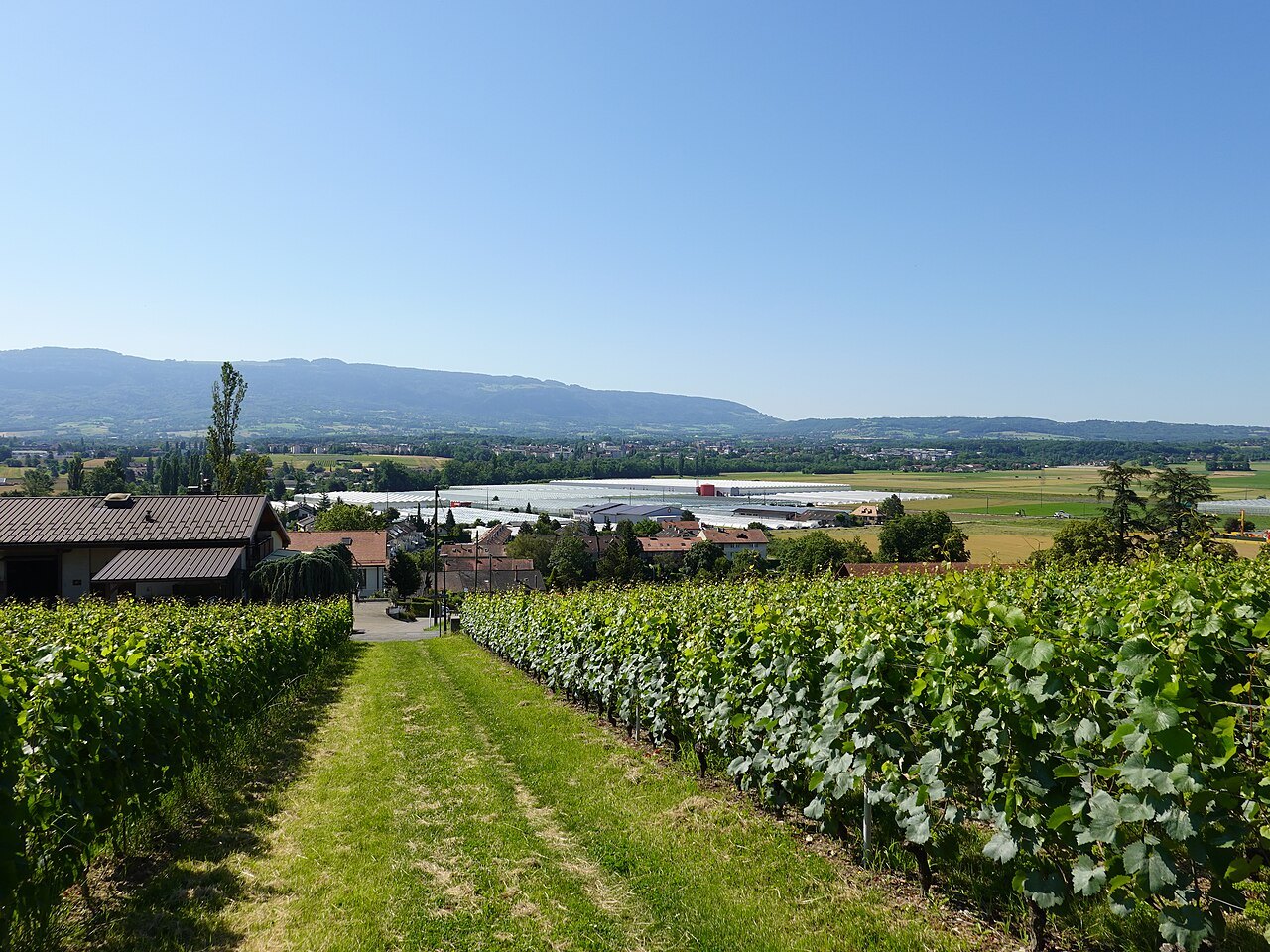
Geneva is one of the six wine regions of Switzerland, and despite its small size the canton produces around ten percent of Swiss wine and has the highest density of vineyards in the country, some 1,410 hectares. The tradition is at least as old as the Roman period.
Most of it comes from the Mandement, the countryside northwest of the city. Satigny, with about 460 hectares of vines, makes roughly eighty percent of Geneva's wine and is the largest wine-producing municipality in Switzerland; it is also home to the Cave de Genève, by far the largest cooperative in the canton. The main varieties there are Gamay, Pinot Noir, Chasselas and Gamaret.
Swiss wines were long labeled mainly by their village of origin rather than under a national classification, and village names still matter on Geneva labels. Of the 658 controlled appellations in Switzerland, 64 are in the canton of Geneva; the wine villages of the Mandement are Satigny, Russin and Dardagny.
Satigny has its own station on the Léman Express, about thirteen minutes from Cornavin, so the vineyards are an easy half-day out. In the city, a glass of Geneva white with perch, or a Gamay with longeole, is the natural pairing.
Where and how to eat
The Pâquis, the grid of streets between Cornavin station and the lake, is the city's most cosmopolitan quarter, where every nationality and every cuisine rubs shoulders. It counts more than 250 tea rooms, bars, cafés, restaurants and takeaways, and it is the easiest place in Geneva to eat well from almost anywhere in the world.
The old town gathers its cafés around the Place du Bourg-de-Four, the oldest square in the city, with terraces around its fountain. Along the lake, the buvette at the Bains des Pâquis serves breakfast after the summer sunrise concerts and fondue in winter.
Carouge, across the Arve, is worth the tram ride for an evening. Built as a new town by the King of Sardinia from the 1760s and joined to Geneva only in 1816, it keeps its own squares and streets, and it is a different setting from the center.
For picnics, the parks are some of the best dining rooms in the city: Parc La Grange above the lake, the Parc des Bastions below the old town, and the lakeside parks of Perle du Lac and Mon Repos on the right bank, where the flowering lawn looks across the water to the Jet d'Eau.
More photographs
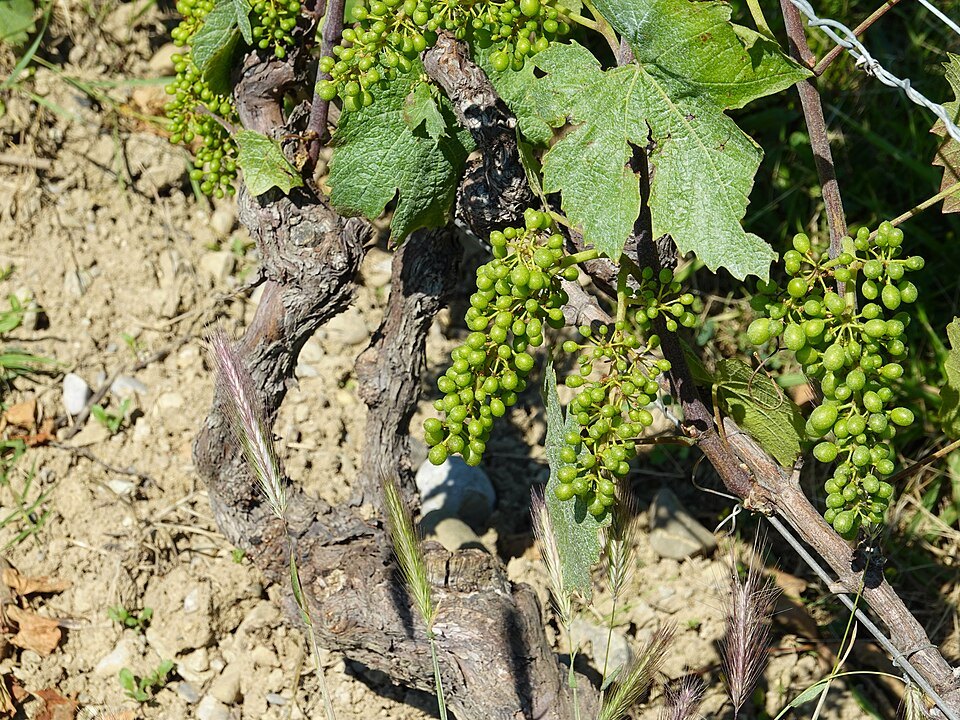
Young grapes on a vine in a Bernex vineyardGuilhem Vellut from Annecy, France, Wikimedia Commons, CC BY 2.0 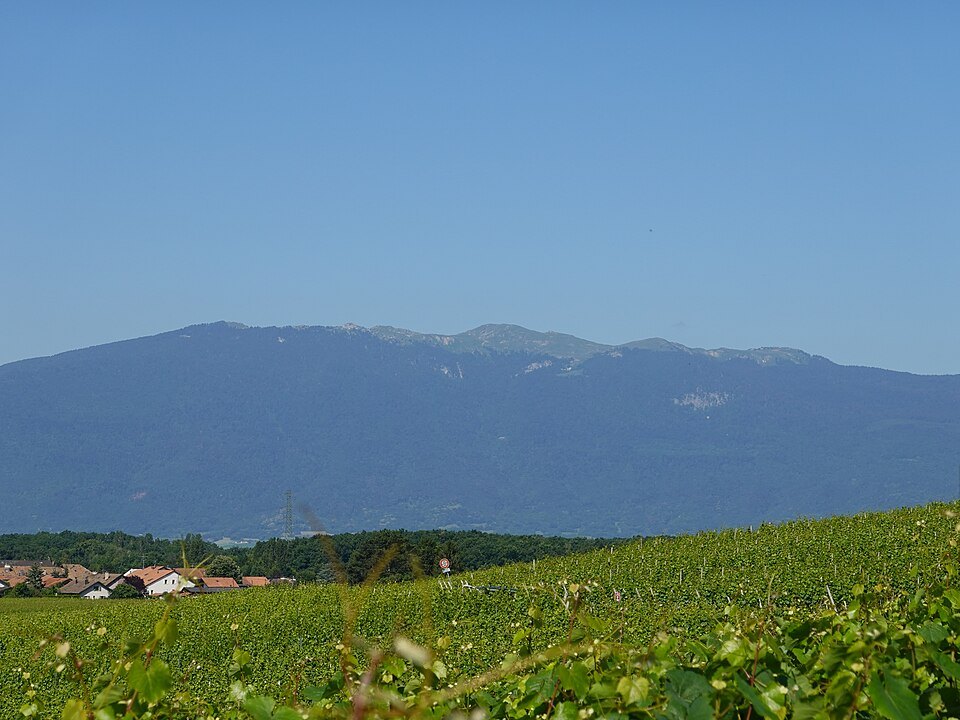
Vineyards at Bernex below the long ridge of the Grand Crêt d'EauGuilhem Vellut from Annecy, France, Wikimedia Commons, CC BY 2.0