Day Trips from Geneva by Train, Boat and Cable Car
The trains along the lake, the paddle steamers, a cross-border tram and a cable car across the French border put a castle on a rock, a medieval lakeside village, an Alpine lake town, a steep Olympic city and the world's great physics laboratory within a day of Geneva.
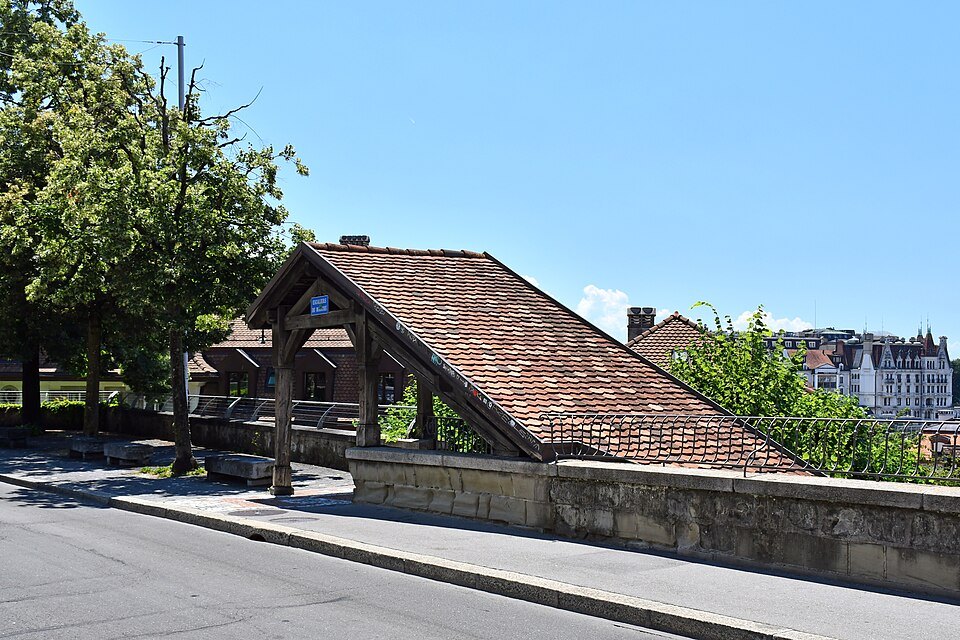
The covered wooden Escaliers du Marché climbing through Lausanne's old townGzzz, Wikimedia Commons, CC BY-SA 4.0Train from Cornavin, about forty to fifty minutesLausanneThe Olympic capital, climbing about five hundred meters from the lakeshore at Ouchy to a Gothic cathedral on the hill, with a metro to do the climbing for you.
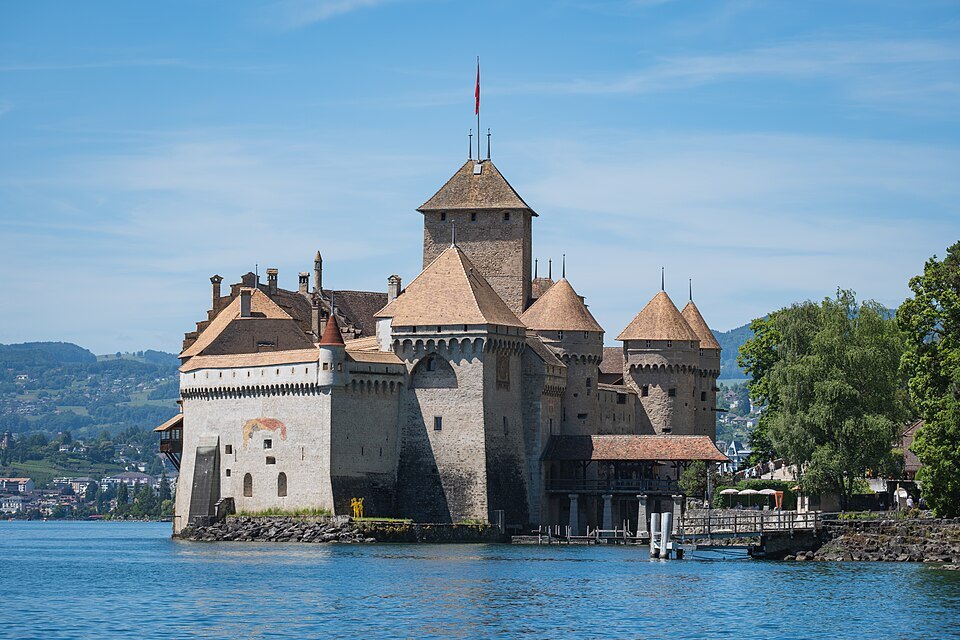
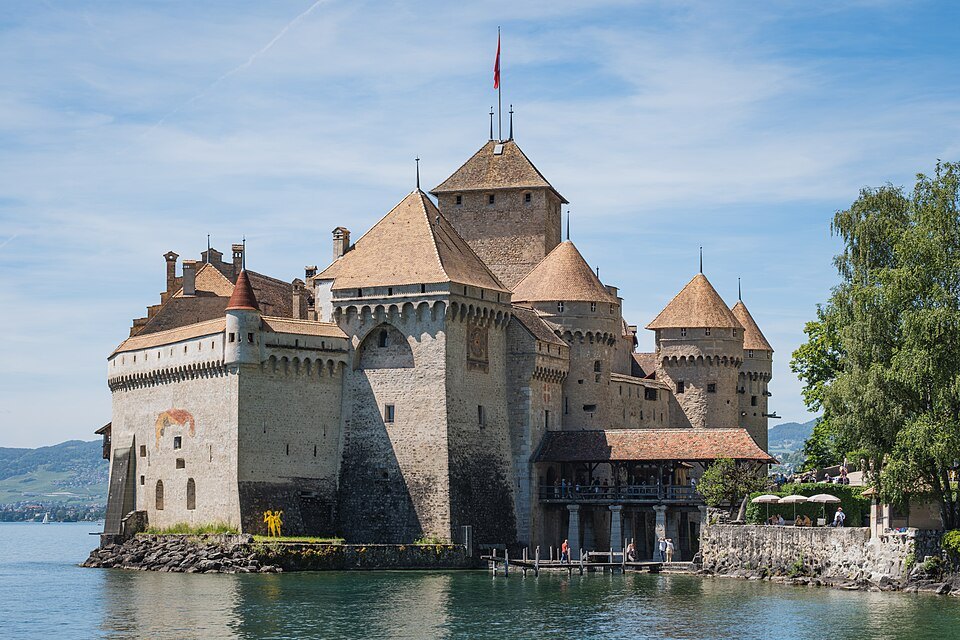
Chillon Castle on its rock in the lake, its towers against a blue skyChristian David, Wikimedia Commons, CC BY-SA 4.0Train to Montreux, about an hour and ten minutes; Chillon about an hour and a half with a changeChillon Castle and MontreuxThe island castle of the Counts of Savoy at the eastern end of the lake, where Bonivard was imprisoned and Byron found his poem.
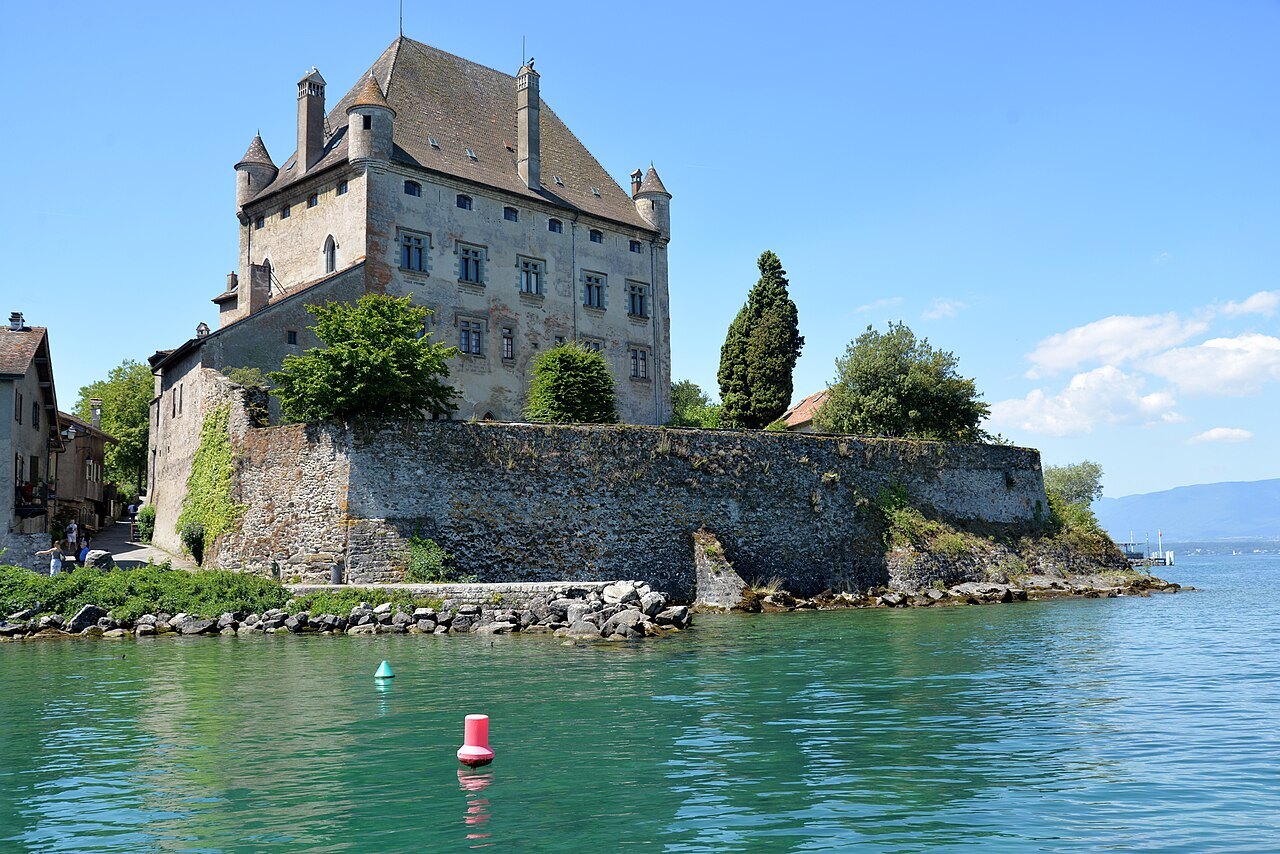
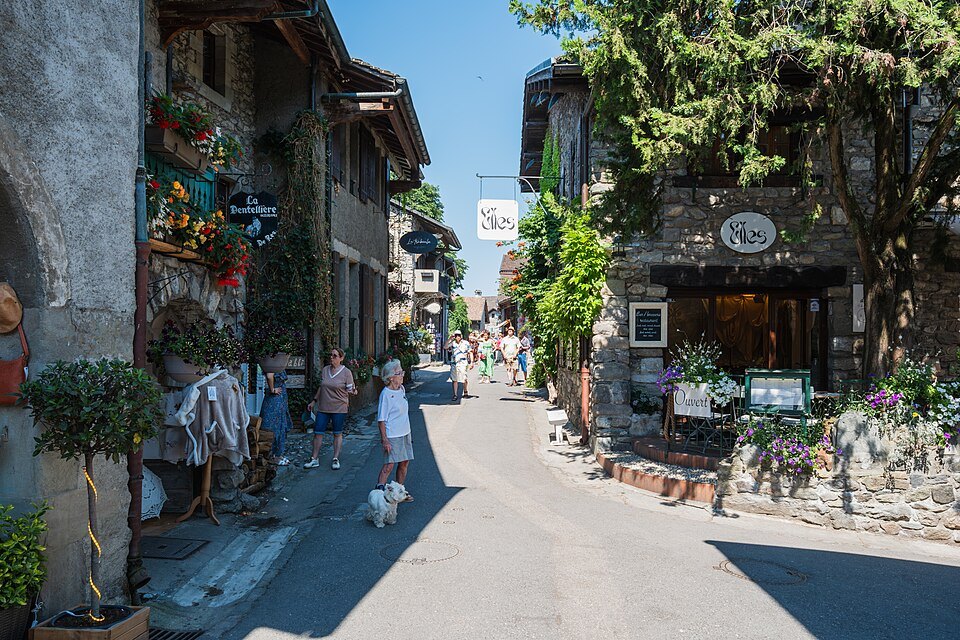
Flowers and shop signs along the main street of Yvoire's medieval villageChristian David, Wikimedia Commons, CC BY-SA 4.0By boat on the lake, or by road into FranceYvoireA fortified medieval village on the French shore, with flowers in summer and a garden of the five senses, at the point where the Petit Lac meets the Grand Lac.
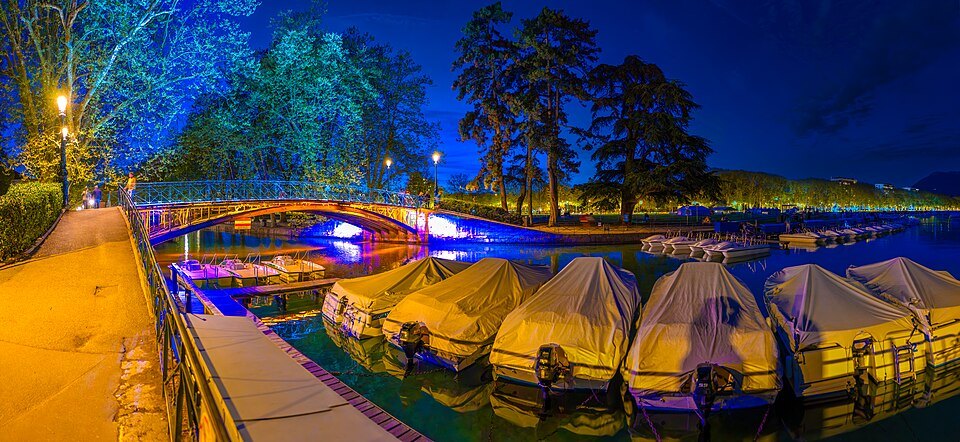
Covered boats along a lit canal in Annecy at duskKarlheinz Klingbeil, Wikimedia Commons, CC BY 4.0Train and connecting bus, about an hour and a halfAnnecyThe old capital of the Genevois counts in France, with canals through its old town and a lake below the mountains.
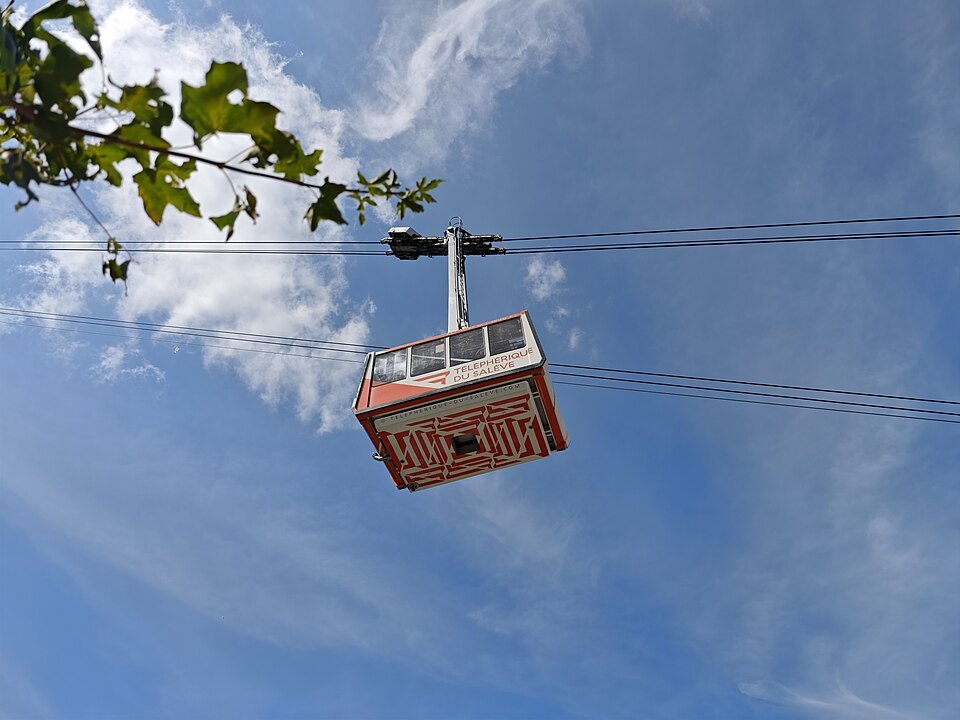
A red cabin of the Salève cable car overhead against a blue skyEuroTripPhotos, Wikimedia Commons, CC BY-SA 3.0Bus to the border at Veyrier, about twenty-five minutes, then the cable car on the French sideThe SalèveThe Balcony of Geneva, a limestone mountain of 1,379 meters, with a view over the city, the lake, the Jura and Mont Blanc.
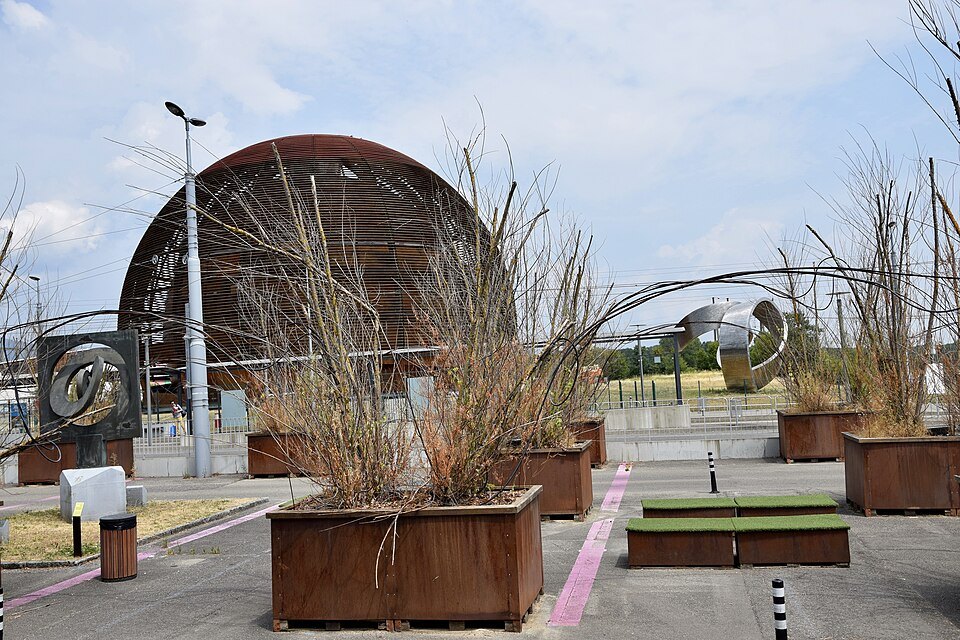
CERN's wooden Globe behind planters of tall grasses on the forecourtAnk Kumar, Wikimedia Commons, CC BY-SA 4.0Tram from Cornavin to Meyrin, about twenty-five minutesCERNThe European particle physics laboratory, whose Science Gateway exhibitions are free with registration.
Train from Cornavin, about a quarter of an hourNyonA Roman colony of the first century BC, now a small lake town on the Vaud shore with a landing for the boat to Yvoire.
IIIn full
Day Trips from Geneva by Train, Boat and Cable Car
The short version
For a castle and the classic lake, go to Chillon, at the far eastern end of the lake beyond Montreux. For a city, go to Lausanne, forty to fifty minutes by train. For a medieval village and a day on the water, take a paddle steamer to Yvoire. For mountains, take the bus to the border and the cable car up the Salève. For science, take the tram to CERN.
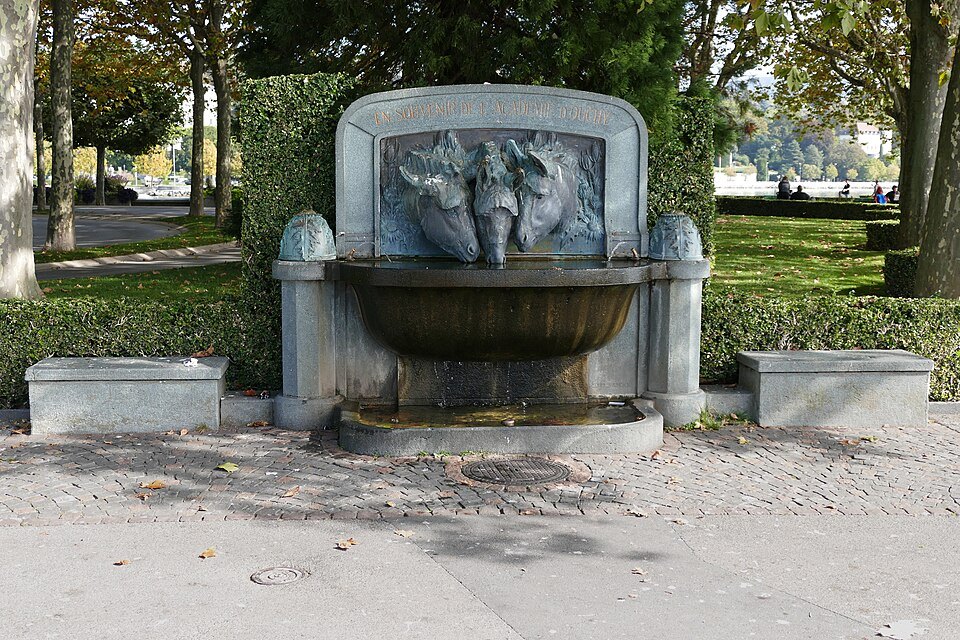
A stone fountain with a carved relief in a park at OuchyKritzolina, Wikimedia Commons, CC BY-SA 4.0
Several of these trips cross into France. Bring the identity documents you need for Schengen travel, and remember that France uses the euro and Switzerland the franc. Within the canton of Geneva, the Geneva Transport Card covers the tram to CERN and the bus to Veyrier; trains beyond the canton and the lake steamers need their own tickets.
The Rhône that leaves the lake at Geneva flows on into France to meet the Saône at Lyon, about two and a half to three and a half hours away by train, usually with one change. That is a long way for a day out, but a natural next stop on a longer journey, and Access Lyon covers the city in the same way this guide covers Geneva.
Lausanne
Lausanne, the capital of the canton of Vaud, is the fourth largest city in Switzerland and, since 1994, officially recognized by the International Olympic Committee as the Olympic capital; the committee, the Court of Arbitration for Sport and dozens of sports federations are based there.
It is a hilly city. There is a difference of about five hundred meters in height between the lakeshore at Ouchy and its northern edge, and the old town grew up around a cathedral built in the twelfth century. A metro system of twenty-eight stations climbs from the lake to the center, which makes a day of walking downhill a sensible plan.
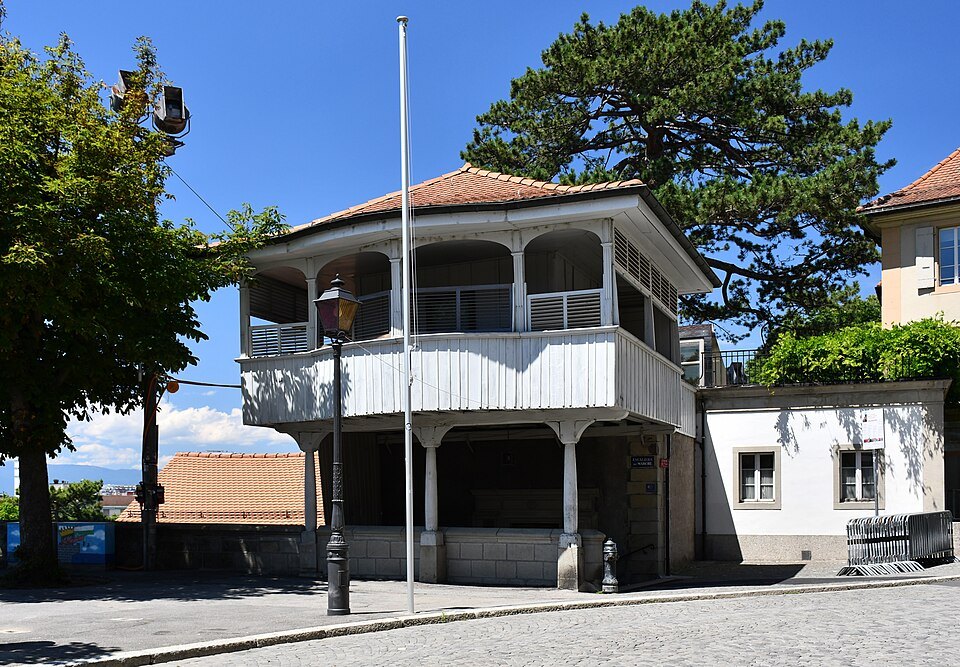
A white wooden pavilion with a veranda on the Lausanne lakefrontGzzz, Wikimedia Commons, CC BY-SA 4.0
Beyond Lausanne to the east lies Lavaux, about thirty kilometers of terraced vineyards along the north shore, first worked under Benedictine and Cistercian monasteries in the eleventh century and a UNESCO World Heritage Site since 2007. Its main grape is Chasselas, and the trains along the shore run right through the terraces.
Chillon Castle and Montreux
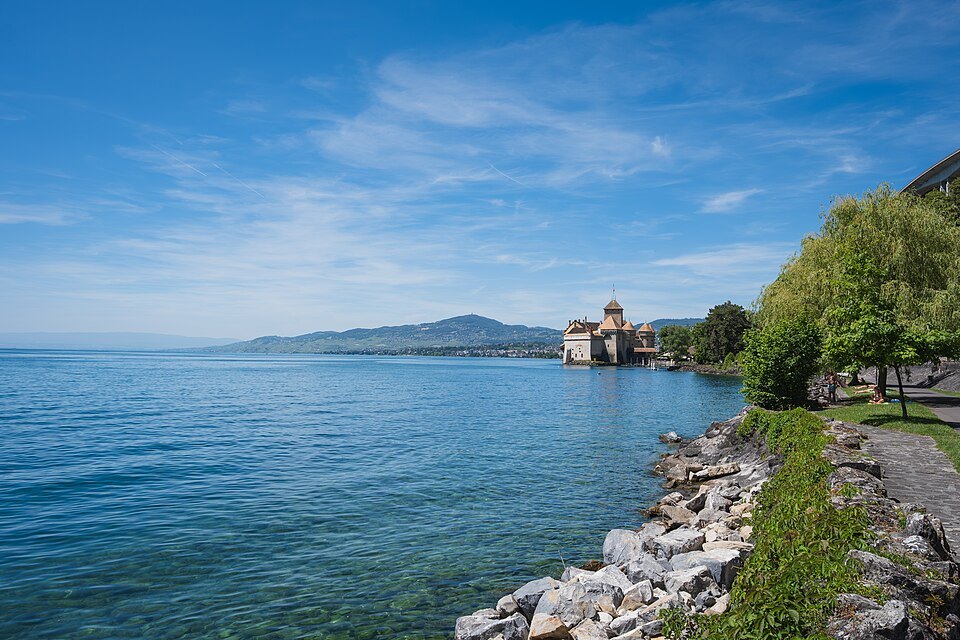
Chillon Castle stands on a small, steep limestone rock in the lake between Montreux and Villeneuve, guarding the narrow passage between the lake and the Alpine valley of the Rhône. A square keep was built there in the eleventh century, and from the mid twelfth century it was a summer home of the Counts of Savoy, who greatly enlarged it in the thirteenth.
Its most famous prisoner was François Bonivard, a Geneva monk and prior of St. Victor, held there for six years until a Bernese army captured the castle in 1536 and freed him. After visiting, Lord Byron wrote The Prisoner of Chillon in 1816, and he is supposed to have carved his name on a pillar of the dungeon. The castle describes itself as Switzerland's most visited historic monument.
Montreux is a little over an hour from Geneva by direct train, and a local connection takes you on to Veytaux-Chillon. Allow a full day: the ride along the lake through Lausanne and Lavaux is part of the pleasure.
Yvoire and Nyon by boat
Yvoire is a medieval village in France at the northern tip of the Léman peninsula, where the narrow western lake meets the great basin. In the fourteenth century Count Amadeus V of Savoy fortified it with a castle and ramparts. Today it is known for its medieval buildings, its summer flowers and the Jardin des Cinq Sens, and it belongs to the association of the most beautiful villages of France.
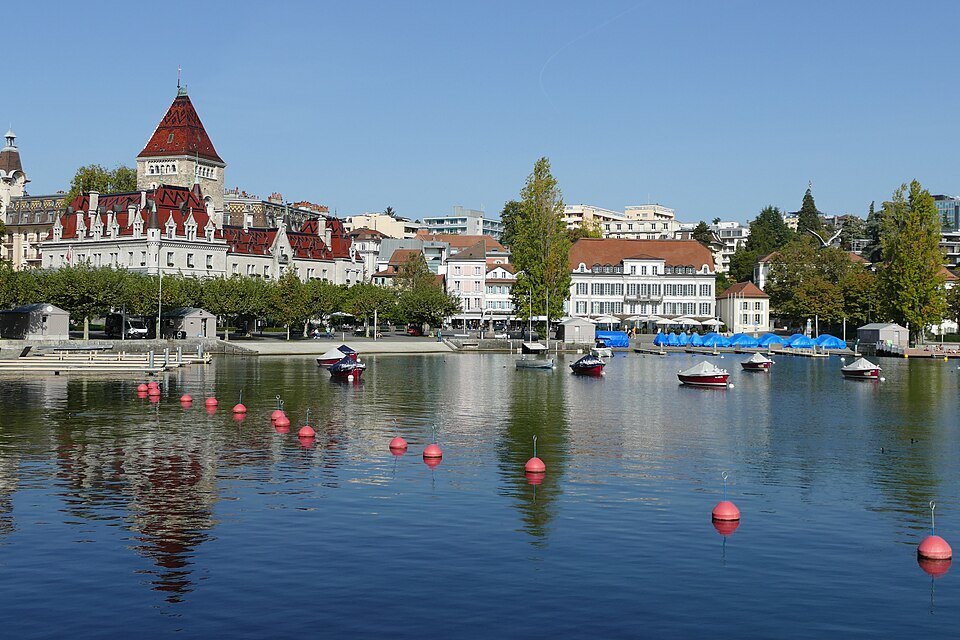
The Château d'Ouchy and the Lausanne waterfront reflected in the harborKritzolina, Wikimedia Commons, CC BY-SA 4.0
The best way there is by water. The CGN's Belle Époque paddle steamers sail from Geneva's landings along the Petit Lac, including cruises that call at Yvoire, in the fuller summer timetable. The CGN also runs a public crossing between Nyon and Yvoire, its N3 line.
Nyon, on the Swiss shore about a quarter of an hour from Geneva by train, was founded by the Romans between 50 and 44 BC as Colonia Iulia Equestris and grew into one of the most important Roman colonies in what is now Switzerland, with a forum, a basilica and an amphitheater. A train to Nyon and the boat across to Yvoire make a good loop.
Annecy
Annecy lies at the northern tip of Lake Annecy, about thirty-five kilometers south of Geneva in France. After the counts of Geneva and then of Savoy, it became the capital of the Genevois in 1434, and when the Reformation reached Geneva in 1536 the Catholic bishop took refuge there; Saint Francis de Sales later made it a center of the Counter-Reformation.
Three canals and the Thiou river pass through its old town, which is why it is sometimes called the Venice of the Alps. The city has a castle and a museum, hosts an animated film festival founded in 1963, and has kept a high share of green space along its lake.
The journey from Geneva takes about an hour and a half by train and connecting bus. Go for the day, walk the old town and the lakeshore, and come back in the evening.
The Salève
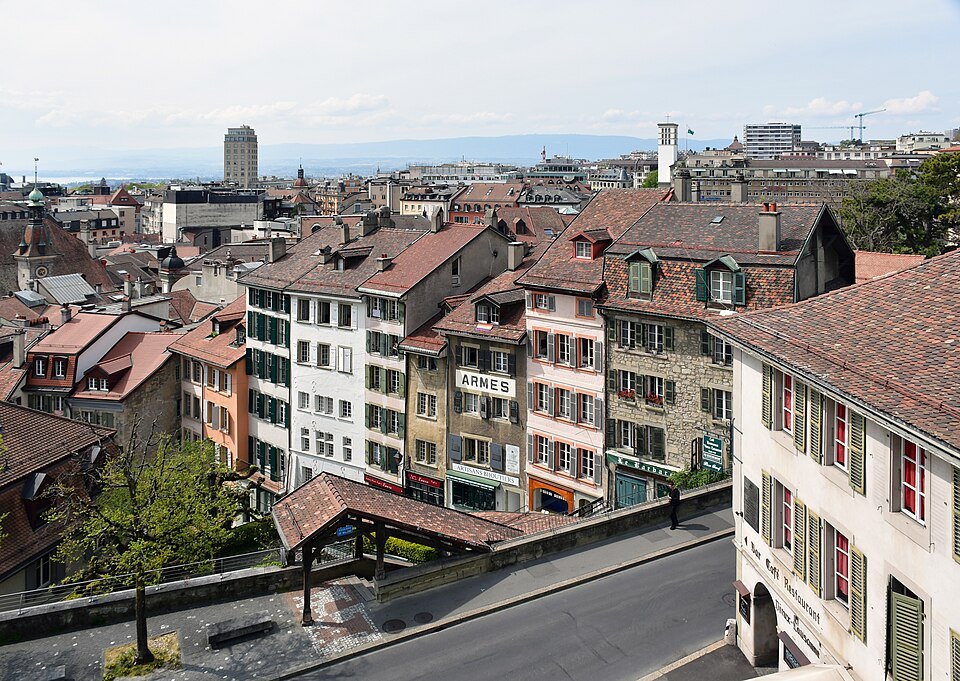
Tiled roofs and old house fronts of Lausanne's old town, the covered stairs belowGzzz, Wikimedia Commons, CC BY-SA 4.0
The Salève, the Balcony of Geneva, is the long limestone wall that closes the city's view to the south. It lies in France, in Haute-Savoie, but belongs geologically to the Jura, and it culminates at 1,379 meters at the Grand Piton. Its gorges, among them the Grande Varappe, gave French its word for rock climbing at the end of the nineteenth century.
The cable car, opened in 1932 and rebuilt in the 1980s, runs entirely on French territory close to the border and is managed jointly by the canton of Geneva and its French neighbors. From Cornavin, a bus reaches the border at Veyrier in about twenty-five minutes; the lower station is just across.
From the top, the view takes in the whole Geneva conurbation, the lake, the Jura, the Prealps, Lake Annecy and Mont Blanc. Choose a clear day, and bring a layer: the summit is far cooler and windier than the city.
CERN
CERN, the European Organization for Nuclear Research, sits on the border at Meyrin, at the end of a direct tram line from Cornavin, about twenty-five minutes. Its Science Gateway presents permanent exhibitions on CERN's work, the universe and the quantum world.
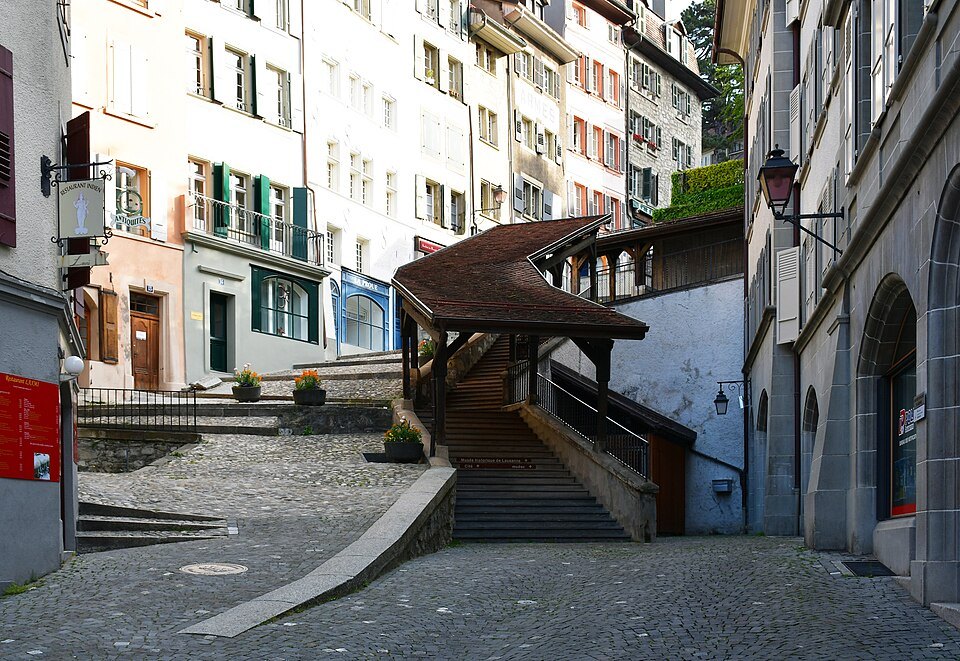
The foot of the covered market stairs in Lausanne's old townGzzz, Wikimedia Commons, CC BY-SA 4.0
Admission is free, but registration is required, and guided tours are organized separately; the Booking Ahead page covers how to plan it. Half a day is enough for the exhibitions, and the tram brings you back to the center in good time for an evening by the lake.
IIIBooked elsewhere
Services we link to
Some links on this page are affiliate links. If you book through one we may earn a commission, at no extra cost to you. It does not affect what is recommended here, and no sight page on this site carries one.
For a last day out with a late train or flight home: