How do the yellow Mouettes water buses work, and which crossing is best?
What the yellow Mouettes water buses are, how the four lines differ, and which crossing suits a short visit.
Read on
A Geneva institution
The yellow boats that shuttle across the harbor are called the Mouettes genevoises, and they are older than almost anything else in the city's transport network. Their ancestor was a crossing between the Pâquis and the Eaux-Vives started in 1825 by the businessman Edward Church, using a catamaran driven by paddle wheels that four horses turned by walking in a circle on its deck. The scheme failed and the boat was sold at auction within a few years.
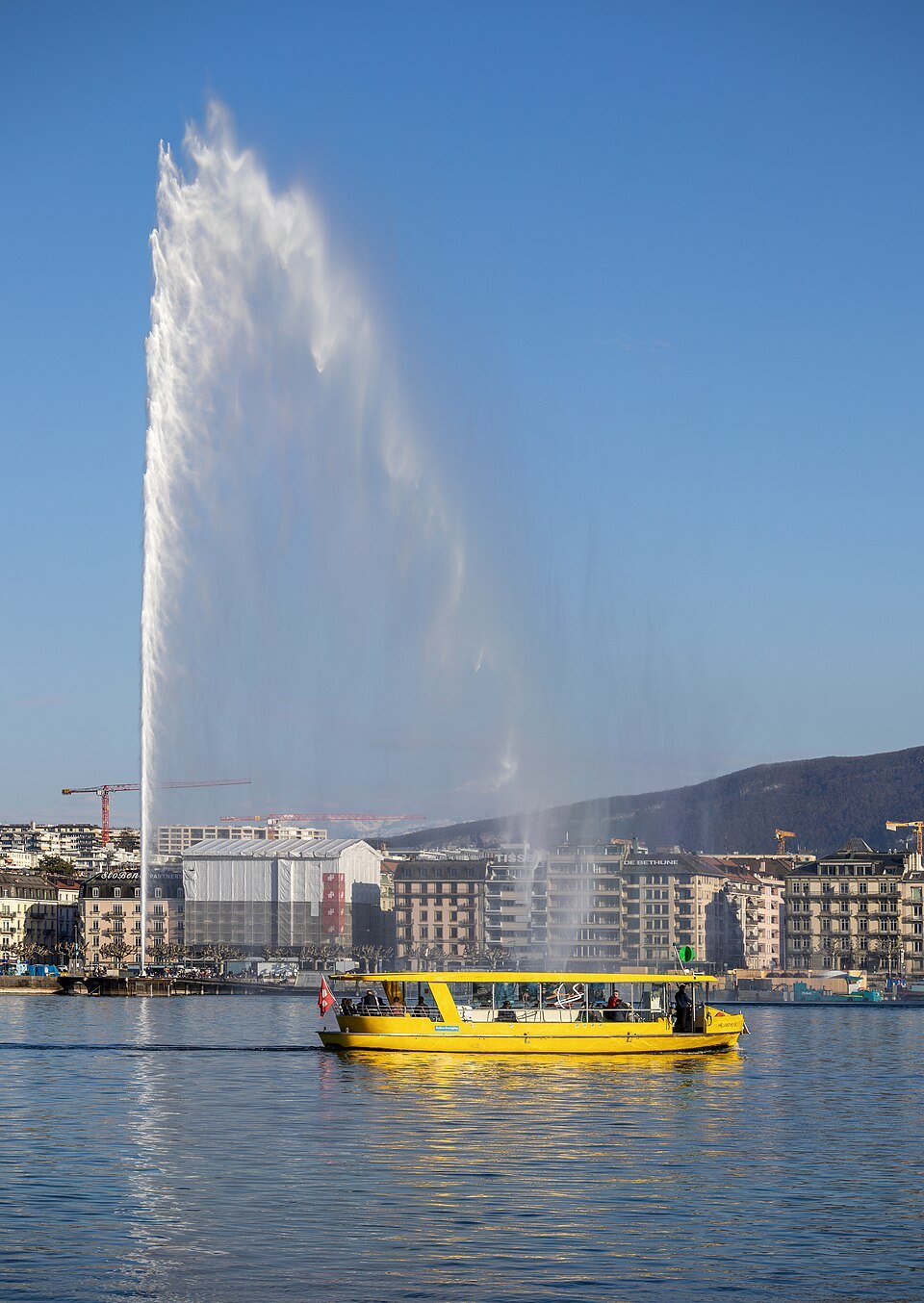
The present company dates to 1897, when three rival operators on the lake merged into one. The boats were once painted white; today they carry the red and yellow colors associated with Geneva, which is how the fleet earned its nickname, mouette being French for seagull. The service has run through every season of the year since 2004, and in a single recent year it carried well over a million trips, a scale that puts it well beyond a tourist novelty and into the daily commute of a good part of the city.
Some links on this page are affiliate links. If you book through one we may earn a commission, at no extra cost to you. It does not affect what is recommended here, and no sight page on this site carries one.
The transport card lives in an app, so mobile data from arrival keeps it to hand.
How the lines work
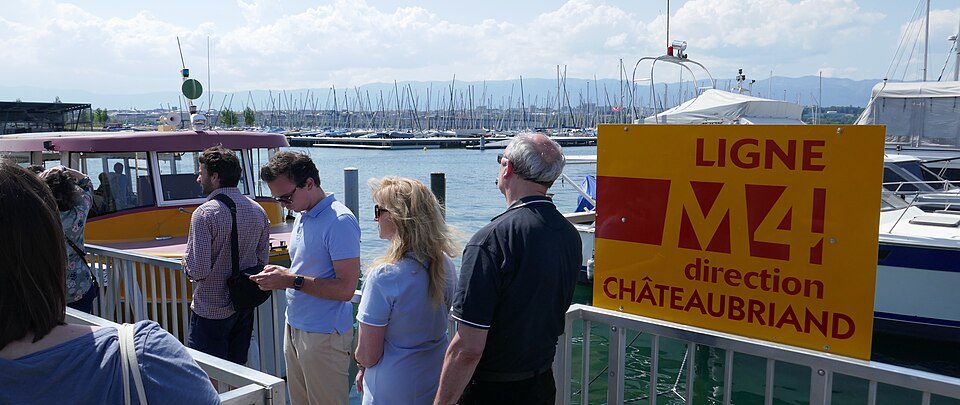
Four lines cross the harbor, and they are not identical. M1 and M2 are the short hops, each under a kilometer, and they run frequently, about every ten minutes. M3 and M4 cover longer diagonals of around a kilometer and a half and run roughly every half hour. All four dock at different points around the harbor, so the right line depends on where a visitor is starting and where they want to end up.
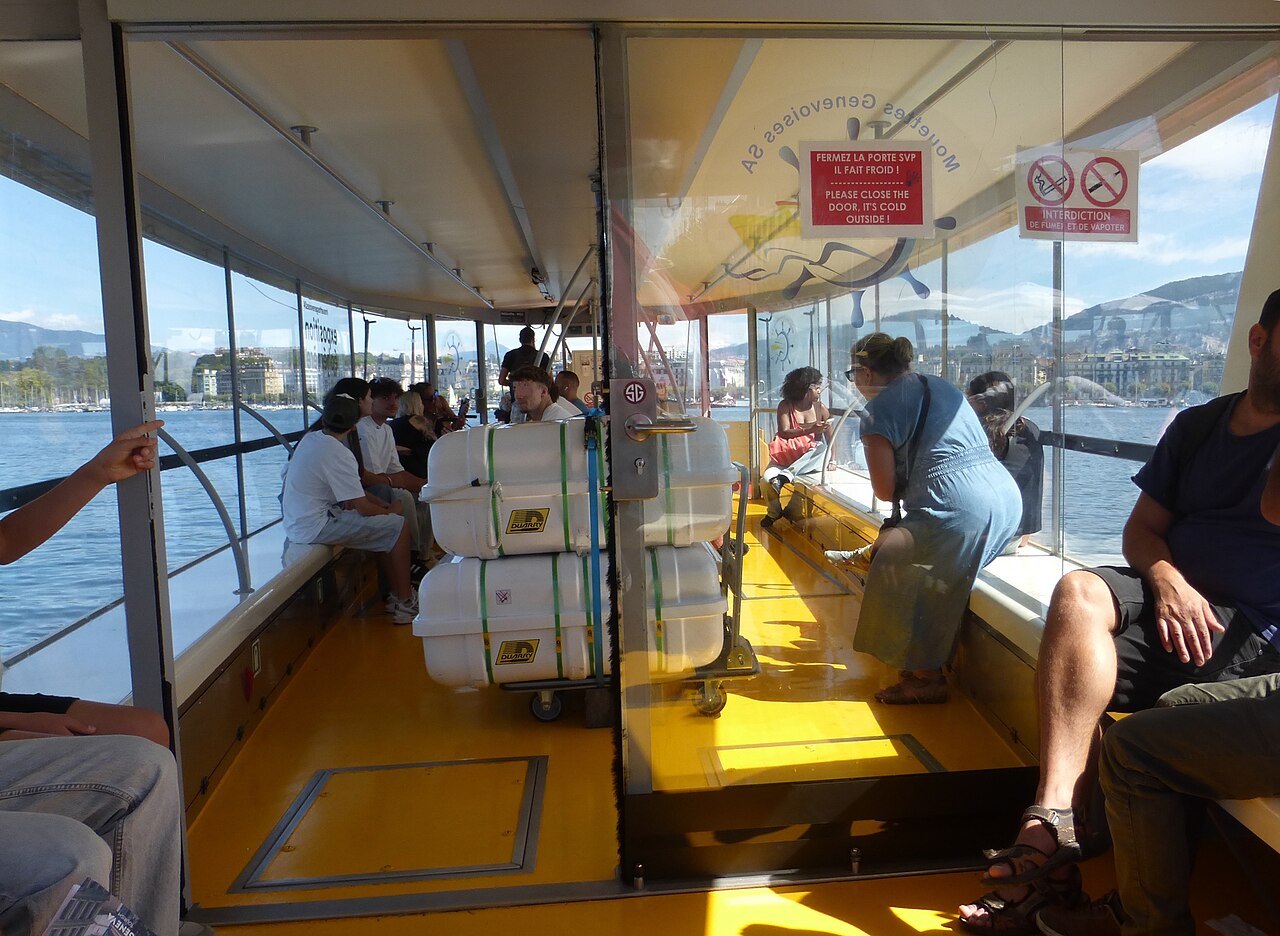
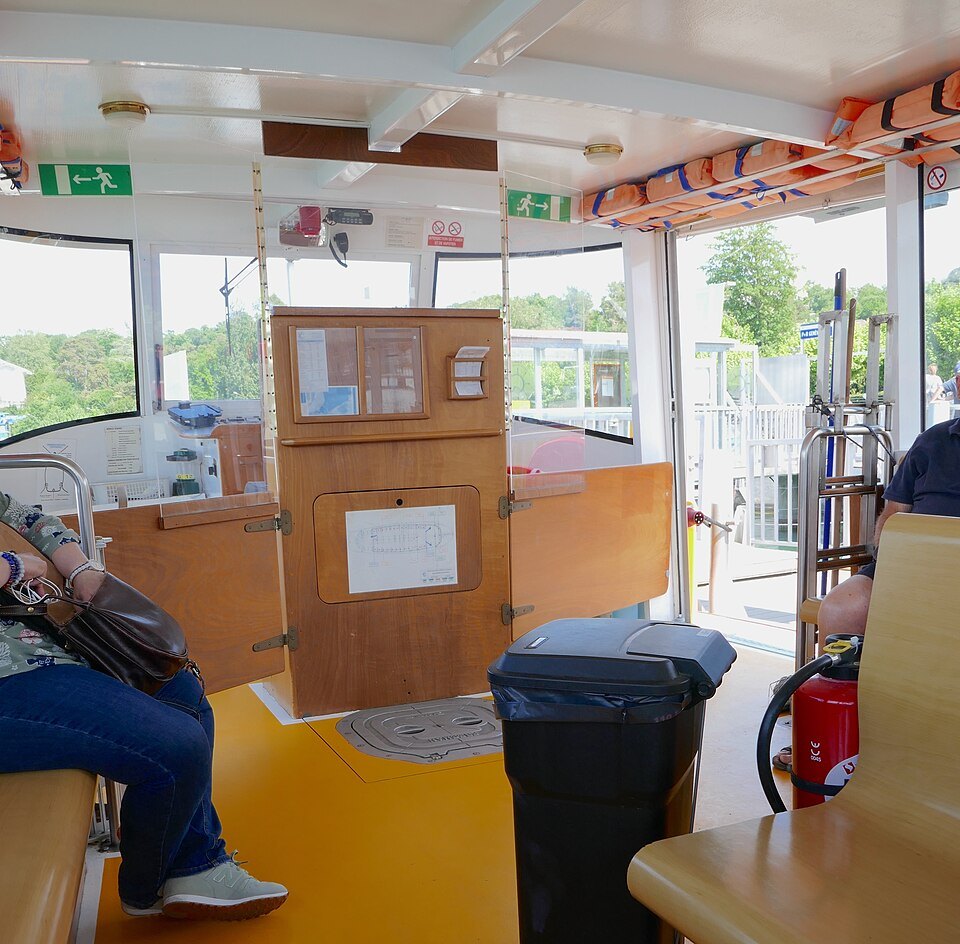
The fleet itself is mixed: solar-electric boats carrying around sixty passengers work alongside older wooden boats that have been kept in service. None of this affects the fare or the ticket, but it does mean the boat that pulls in is not always the same model, and a visitor waiting for a particular departure should not expect a fixed type of vessel.
Exact timetables, the current dock locations for each line, and any seasonal changes to frequency are best checked directly with the TPG, which operates the Mouettes as part of the public transport network, either at the dock itself or in the TPG app before setting out.
Which crossing is best
For a visitor simply trying to get from one side of the harbor to the other quickly, M1 or M2 is the obvious choice: short, frequent, and essentially a moving extension of the quayside paths. These are the lines most useful for linking the Jardin Anglais and left-bank waterfront with the Quai du Mont-Blanc and the Pâquis side, without walking the long way around past the bridges.
For a visitor who wants the ride itself, rather than just the crossing, M3 or M4 gives more time on the water and a longer look at the lake, the Jet d'Eau, and the mountains beyond. The half-hour frequency means a little more planning, but the longer diagonal routes are a pleasant way to see the harbor from a different angle than a lakeside walk gives.
M4 has a further use beyond sightseeing: it calls at De-Chateaubriand, near the lakeside parks and within reach of the botanical garden, which makes it a practical way to combine a harbor crossing with a visit to the garden without doubling back through the city center on foot.
Fitting a crossing into a visit
The Mouettes work best as a short, useful detour rather than a destination in themselves. A visitor walking the lakefront route described on the home page, from Cornavin down to the quays and along to the Eaux-Vives jetty, can break the walk with a crossing partway, switching sides to see the old town skyline or the Jet d'Eau from the water rather than the shore.
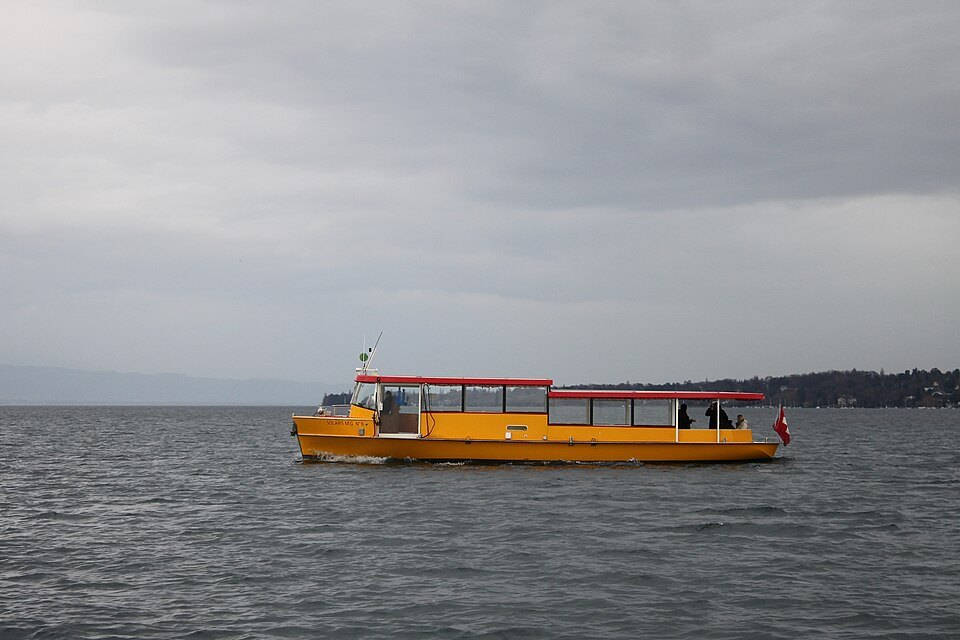
The boats also connect naturally with a visit to the Bains des Pâquis, on the Pâquis side of the harbor, letting a visitor arrive by water rather than by the quayside path. None of this requires planning ahead: the Mouettes run as a turn-up-and-go service within their stated frequency, not as a booked excursion.
Because the crossings are short, they are a practical option even with limited time between other stops, such as before or after visiting the Île Rousseau or the Pont des Bergues area, both close to several of the docks.
Tickets and the transport card
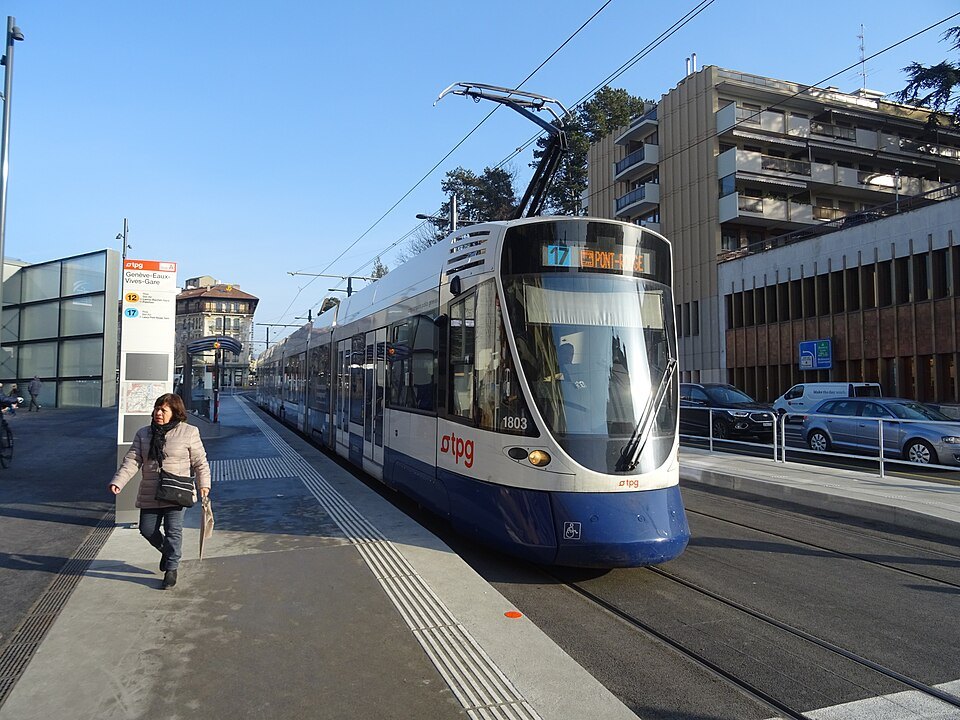
The Mouettes are part of the Unireso fare system that covers the TPG trams and buses and the local trains of the Swiss railways across the canton. An ordinary ticket purchased for the right zone and period of validity can be used on the water buses exactly as it would be used on a tram, with no separate fare or boat-specific ticket to buy.
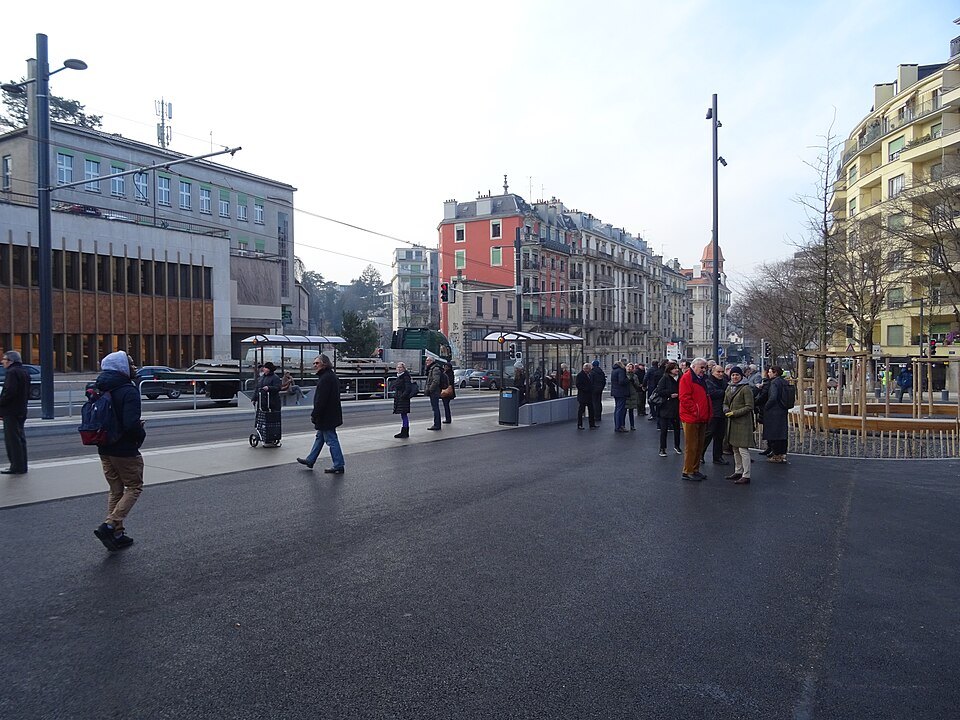
Tickets are sold at machines, through the TPG app, online, and through agencies and resellers; they must be bought before boarding and kept until the crossing ends. Anyone staying in accommodation registered with Geneva Tourism qualifies for the free Geneva Transport Card, a digital pass in the Hello Geneva app that covers the Mouettes along with the rest of the public transport network for the length of the stay, which makes the water buses effectively free to use as often as wanted.
Exact departure times, dock locations, and any changes to the service should be confirmed with the TPG rather than assumed, since frequencies and routes are set by the operator and can vary by season.
Not the lake boats
It is worth keeping the Mouettes separate in mind from the larger lake boats, the paddle steamers and motor ships that run longer excursions on Lake Geneva itself. Those are a different service, with their own schedules and fares, and are covered separately on the Lake page; a Unireso ticket that covers the Mouettes does not extend to them.
For a visitor whose aim is simply to cross the harbor, see the Jet d'Eau from the water, or link two points on either bank without a long walk, the yellow water buses are the right tool. For a longer trip out onto the lake itself, toward Carouge's end of the shoreline or beyond, the larger boats are the ones to look into instead.
More from the journal
- Getting AroundWhat does the Geneva Transport Card cover, and how do you get one?Guests of registered accommodation in Geneva travel free on the trams, buses, local trains and water buses of the whole canton. What the card covers, what it does not, how it arrives, and what to do without one.Read the piece
- The LakeCan you swim in Lake Geneva right in the city?Yes, and Genevans do, all year: the public baths on the Pâquis jetty, the new Eaux-Vives beach, the pools of Genève-Plage, how clean the water is, and what to know before you get in.Read the piece
- The Jet d'EauWhy is the Jet d'Eau sometimes switched off?Geneva's fountain runs every day except when it cannot: why wind and cold stop it, when the annual maintenance happens, who decides, and what to do if you arrive to find only the jetty.Read the piece