What does the Geneva Transport Card cover, and how do you get one?
Guests of registered accommodation in Geneva travel free on the trams, buses, local trains and water buses of the whole canton. What the card covers, what it does not, how it arrives, and what to do without one.
Read on
The short answer
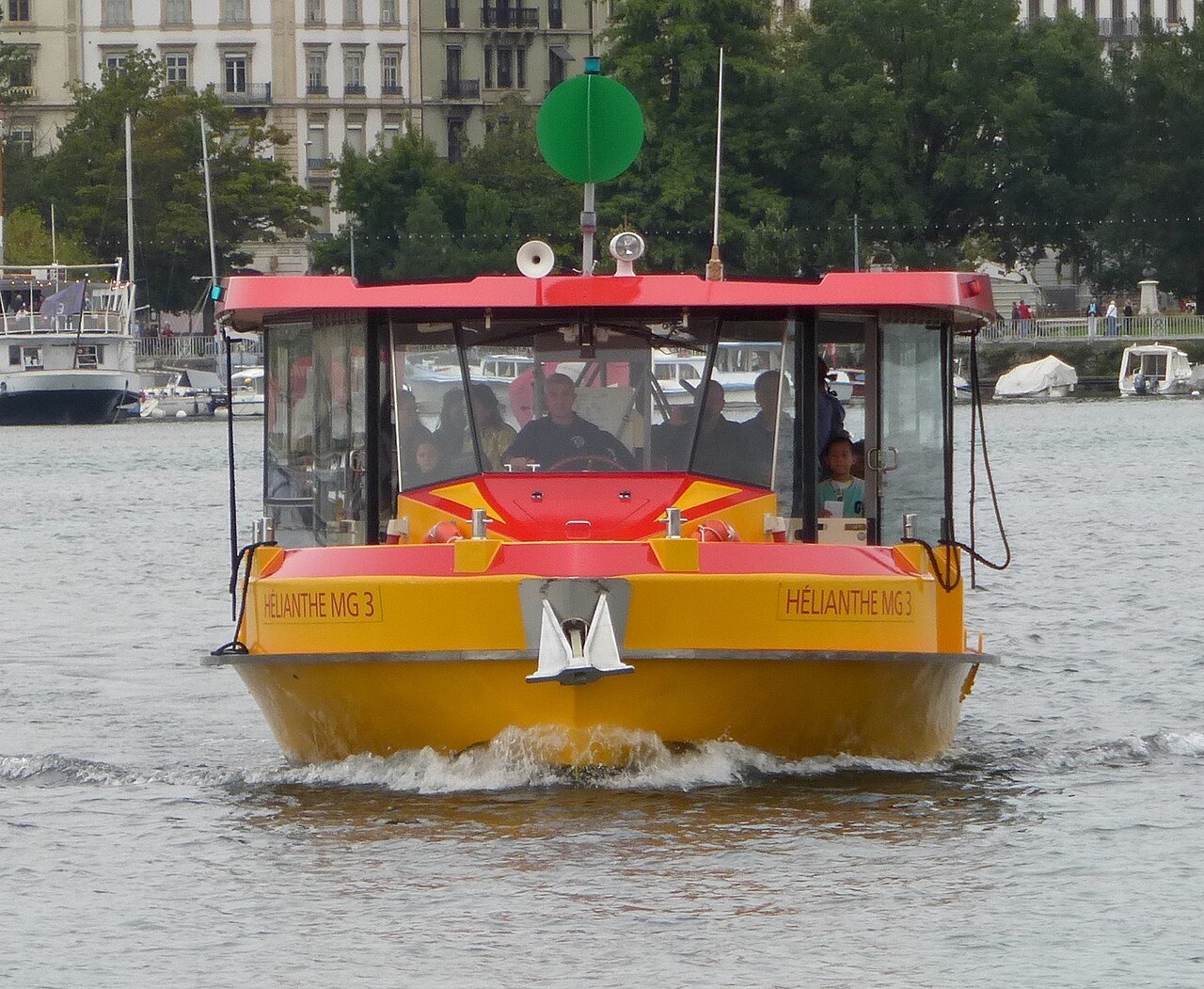
If you are staying in accommodation registered with Geneva Tourism, you are entitled to a free Geneva Transport Card. It lets you use public transport free of charge in zone 10 of the Unireso network, which is the whole canton of Geneva except Céligny, for the entire length of your stay: trams, buses, trains and the yellow Mouettes water buses.
It is digital. Your accommodation sends you a link by email up to three days before you arrive, and the card lives in Hello Geneva, the official Geneva Tourism app, so you can use it on the train from the airport to your hotel. Guests without email receive it at check-in.
Some links on this page are affiliate links. If you book through one we may earn a commission, at no extra cost to you. It does not affect what is recommended here, and no sight page on this site carries one.
The transport card lives in an app, so mobile data from arrival keeps it to hand.
Who is eligible
The rule is simple: anyone staying in approved accommodation in Geneva receives the card. The accommodation must be registered with Geneva Tourism, and the card is issued through it rather than applied for separately.
If you are not sure whether your accommodation takes part, ask it directly before you travel. Geneva Tourism's advice is to contact the place where you will be staying; if it is not registered, the host can contact Geneva Tourism. The card is personal and cannot be passed to someone else, so each guest needs their own.
What it covers
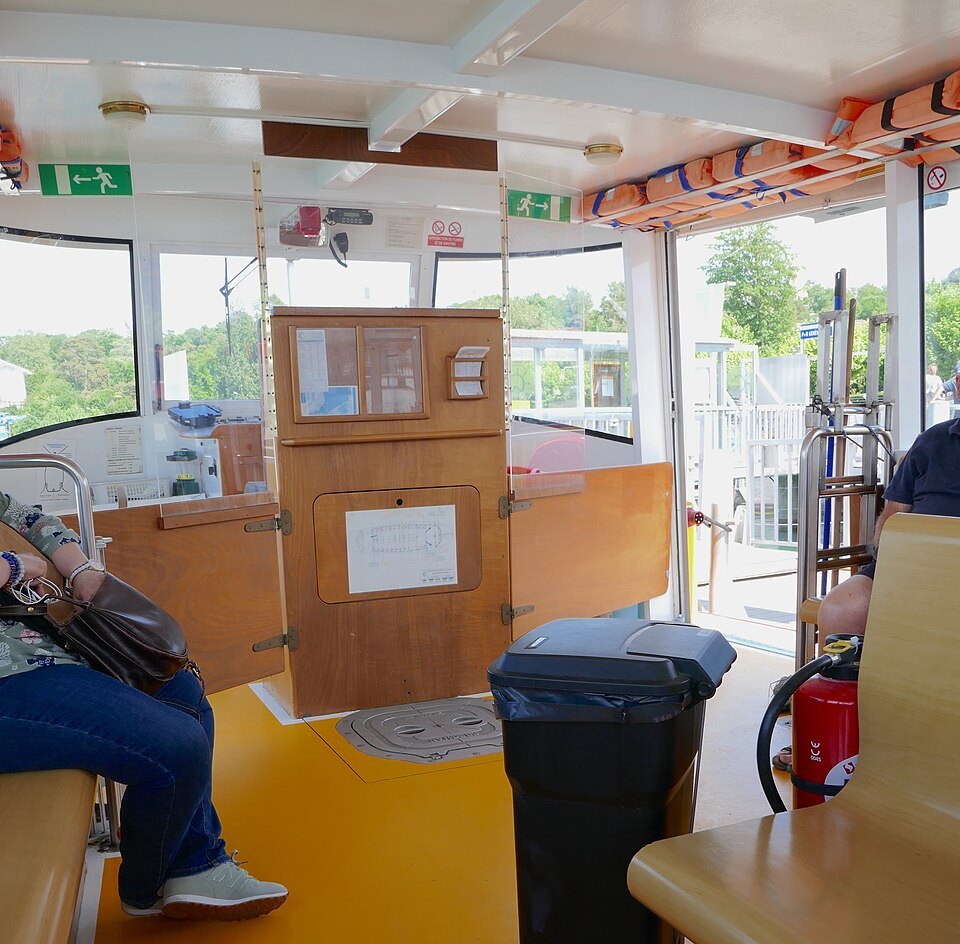
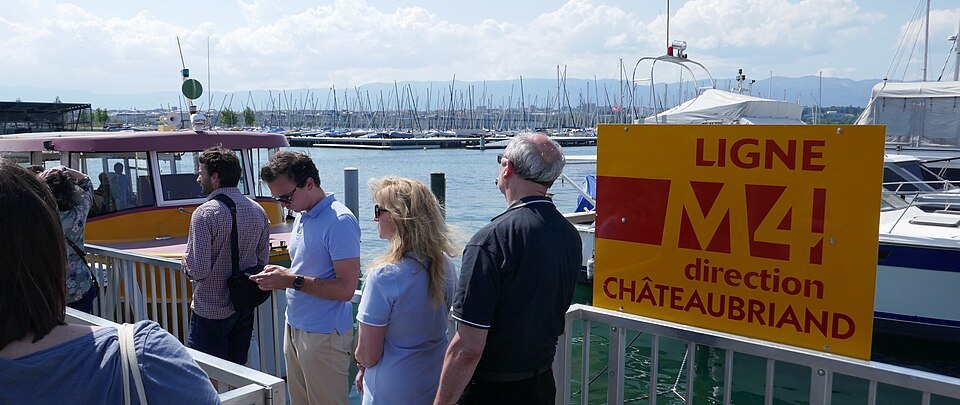
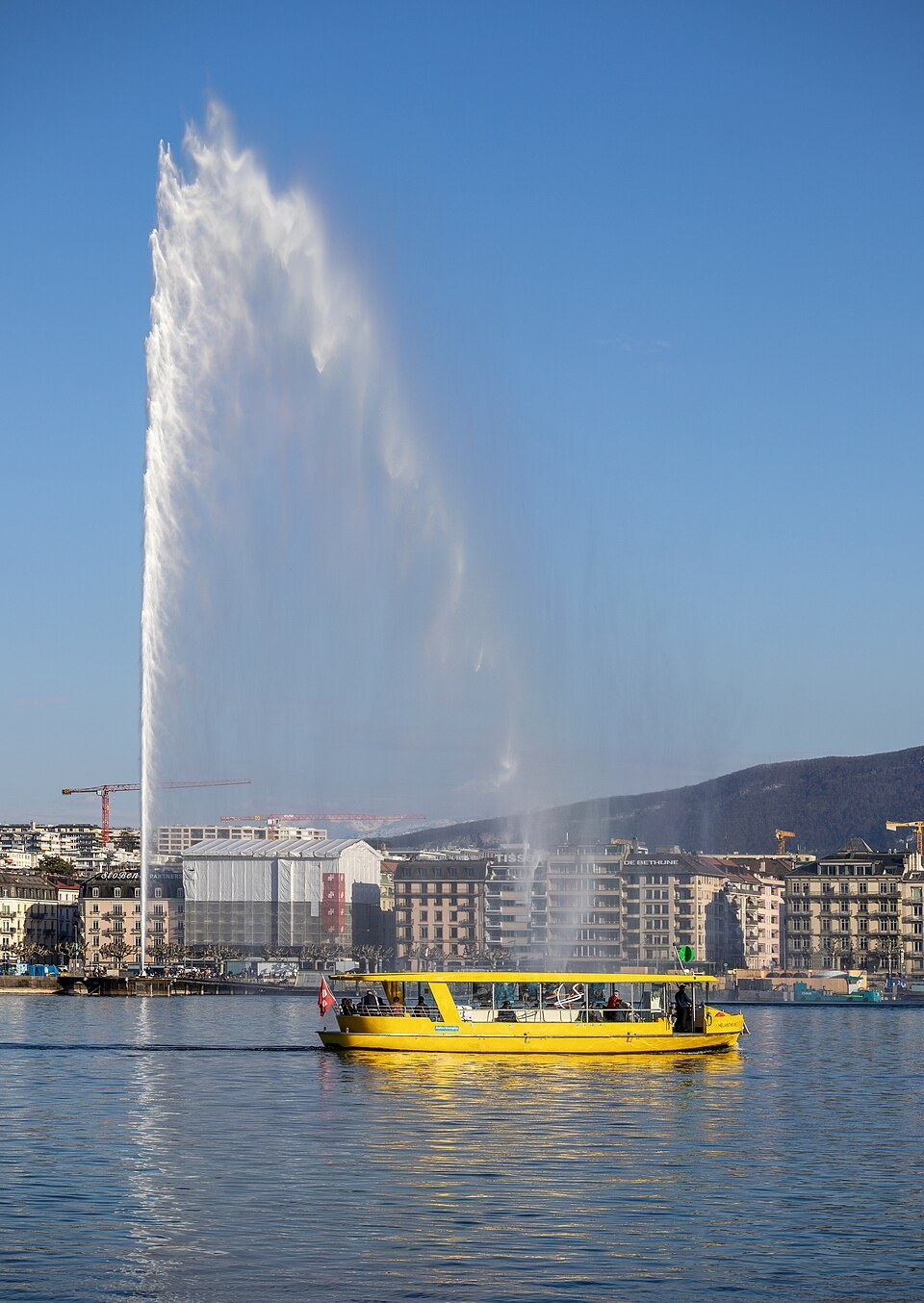
Zone 10 is the whole canton, and inside it the card covers the whole network. That includes the five tram lines of the TPG, its trolleybuses and its many bus lines; the local trains of the Swiss railways, including the Léman Express within the canton; and the Mouettes genevoises, the four water-bus lines across the harbor.
In practice that means almost everything a visitor does in Geneva. The train from the airport to Cornavin, about seven minutes, is in zone 10. So are the tram to the Place des Nations, eight or nine minutes from Cornavin; the tram to CERN at Meyrin, about twenty-five minutes; the bus to the border at Veyrier for the Salève cable car; the Léman Express to Champel and Eaux-Vives; and every Mouette crossing.
The trains inside the canton
The local trains are the part of the card visitors most often forget. The Léman Express, opened on 15 December 2019, is a cross-border network of seven lines, the largest of its kind in Europe, built around a largely underground line from Cornavin to a new Eaux-Vives station and on to Annemasse in France.
Inside the canton its stations include Cornavin, Lancy-Pont-Rouge, Champel and Eaux-Vives, which makes it a fast way from the station to the foot of the old town hill at Champel, about twelve minutes, or to the left-bank lakefront at Eaux-Vives, about a quarter of an hour. Journeys inside zone 10 use the ordinary Geneva fare and so the card; journeys across the border are charged at a separate cross-border fare.
What it does not cover
The card stops at the canton's edge. Trains to Lausanne, Montreux, Bern or Zurich, and trains or buses into France, such as to Annecy, need their own tickets for the part of the journey beyond zone 10. The Salève cable car stands on French soil and is run by its own cross-border operator, so check its arrangements separately.
Nor does the card cover the large lake boats. The paddle steamers and motor ships of the Compagnie Générale de Navigation, which sail to Yvoire, Nyon and Lausanne, are a separate service with their own tickets; only the small yellow Mouettes inside the harbor belong to the city network.
If you do not have one
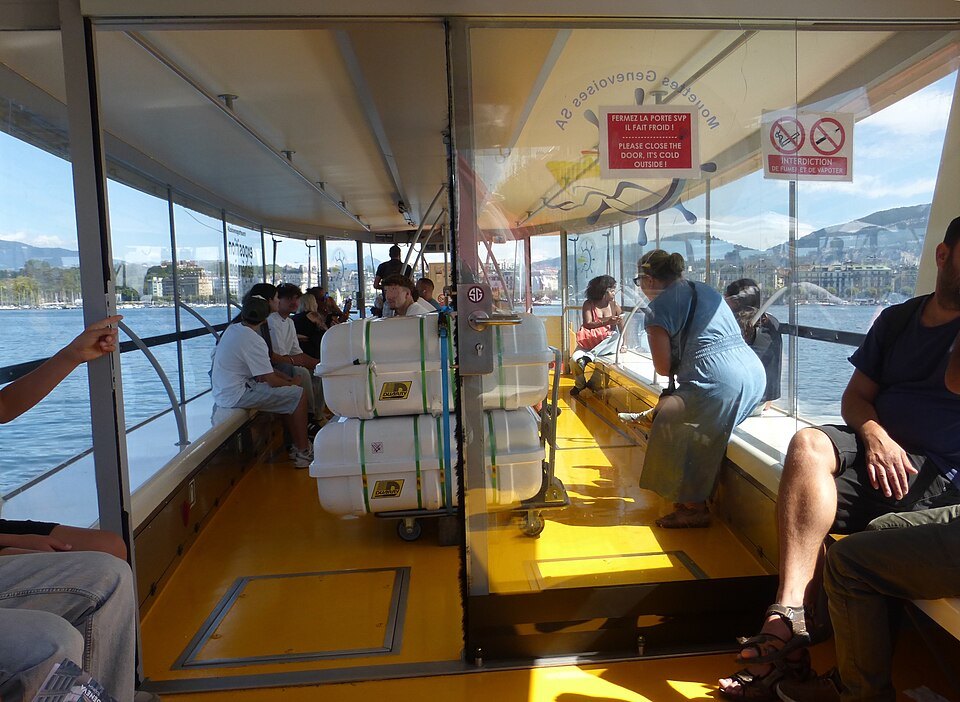
Without the card, buy tickets before you board. The TPG sells them at the ticket machines at stops, through its app, on its online shop, and at agencies and resellers. A single ticket for zone 10 is valid for sixty minutes, and there are day passes that run until early the next morning. Because the fare system is shared, one ticket can be used on the trams, buses, trains and Mouettes inside the canton within its validity.
For a short stay packed with sights, there is also the Geneva City Pass, sold for twenty-four, forty-eight or seventy-two hours, which includes transport in zone 10 and free or reduced entry to more than fifty activities.
Using the network well
Geneva's center is small, and much of it is best walked: the lakefront, the bridges and the old town hill lie within easy walking distance of one another. The card is most useful for the longer hops, which are exactly the ones a visitor makes on the first and last days and on the day spent in the international quarter.
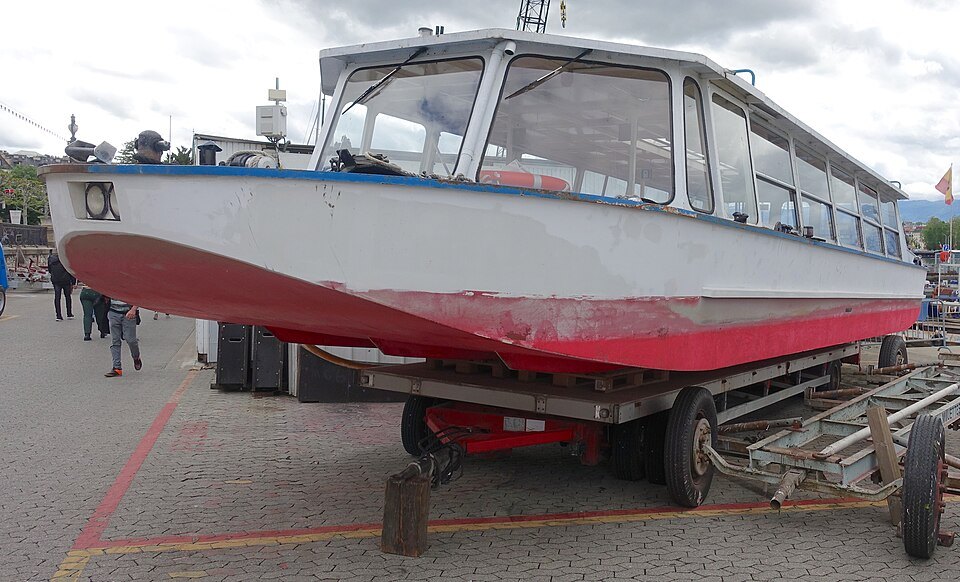
The Mouettes are the pleasure of the network. Lines M1 and M2, both under a kilometer, cross the harbor about every ten minutes from the Pâquis to the Molard and to the Quai Gustave-Ador; M3 and M4 run about every half hour to Genève-Plage and on to De-Chateaubriand near the lakeside parks. With the card in your phone, a crossing is simply a better way to get to the other bank.
Since December 2023 the night network has worked by extending ordinary daytime lines into the night rather than running separate night buses, so check the app for the last departures on your line.
A simple plan for arrival
Before you travel, check with your accommodation that it is registered and that it will send the card. Install the Hello Geneva app. When the email arrives, up to three days before your stay, follow the link and load the card.
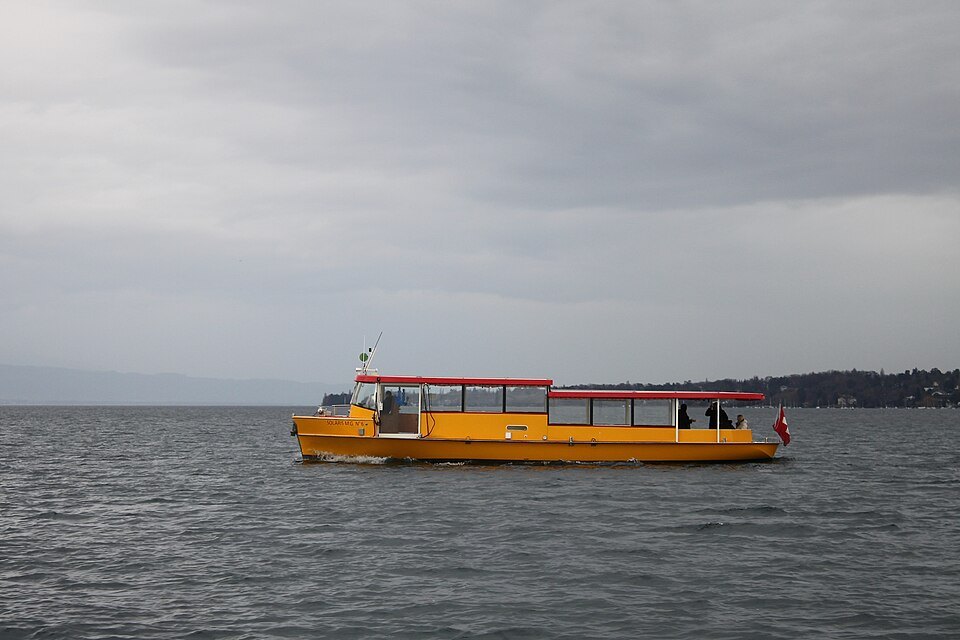
At the airport, walk to the station beneath the terminal and take any train to Cornavin. From there, a tram, a bus, a local train or your feet will take you to your hotel, and for the rest of the stay the whole canton is on the same card. Keep the phone charged: the card is only as useful as the screen it is on.
More from the journal
- The LakeCan you swim in Lake Geneva right in the city?Yes, and Genevans do, all year: the public baths on the Pâquis jetty, the new Eaux-Vives beach, the pools of Genève-Plage, how clean the water is, and what to know before you get in.Read the piece
- Booking AheadHow do you visit the Palace of Nations, and what do you need to bring?The guided tour is the only way inside the UN's palace in Geneva: how booking works, the passport rule, the security check, the luggage limit, and what you see if you cannot get a place.Read the piece
- Day TripsWhere can you see Mont Blanc from Geneva?The highest summit of the Alps is visible from much of Geneva on a clear day. The best places in the city to look for it, the viewpoints above it, and how to pick your day.Read the piece