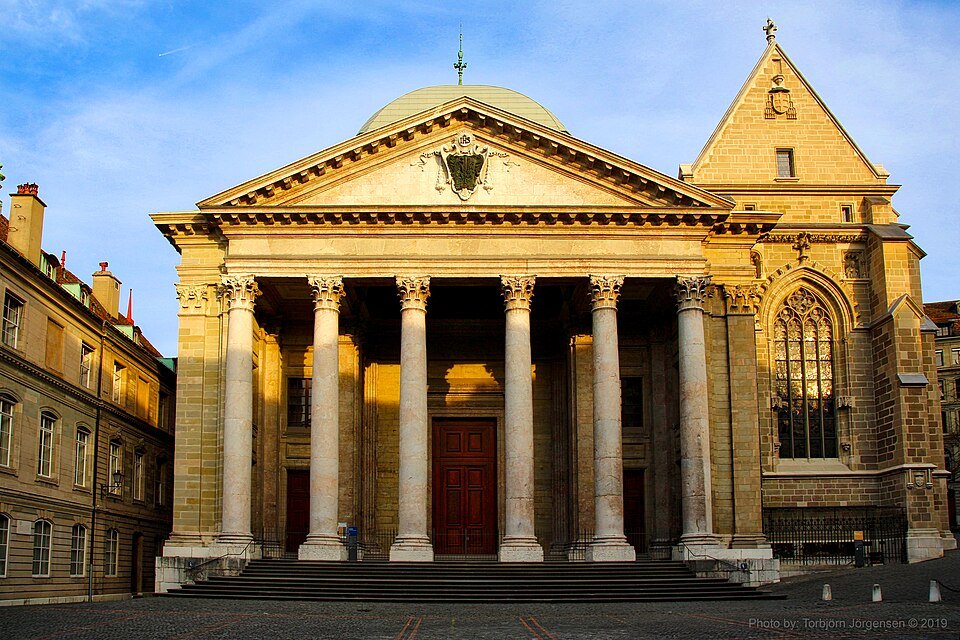
Is it worth climbing the towers of St. Pierre Cathedral?
What the north and south towers of St. Pierre Cathedral offer, and whether the stairs are worth the effort.
Read on
The short answer
The towers are a separate visit from the cathedral itself, with their own arrangements for access, and the effort is modest set against the reward. The north tower delivers one of the few genuinely wide views over the old town roofs, the harbor, and the lake, and the climb itself takes most visitors well under an hour there and back, even without lingering at the top.
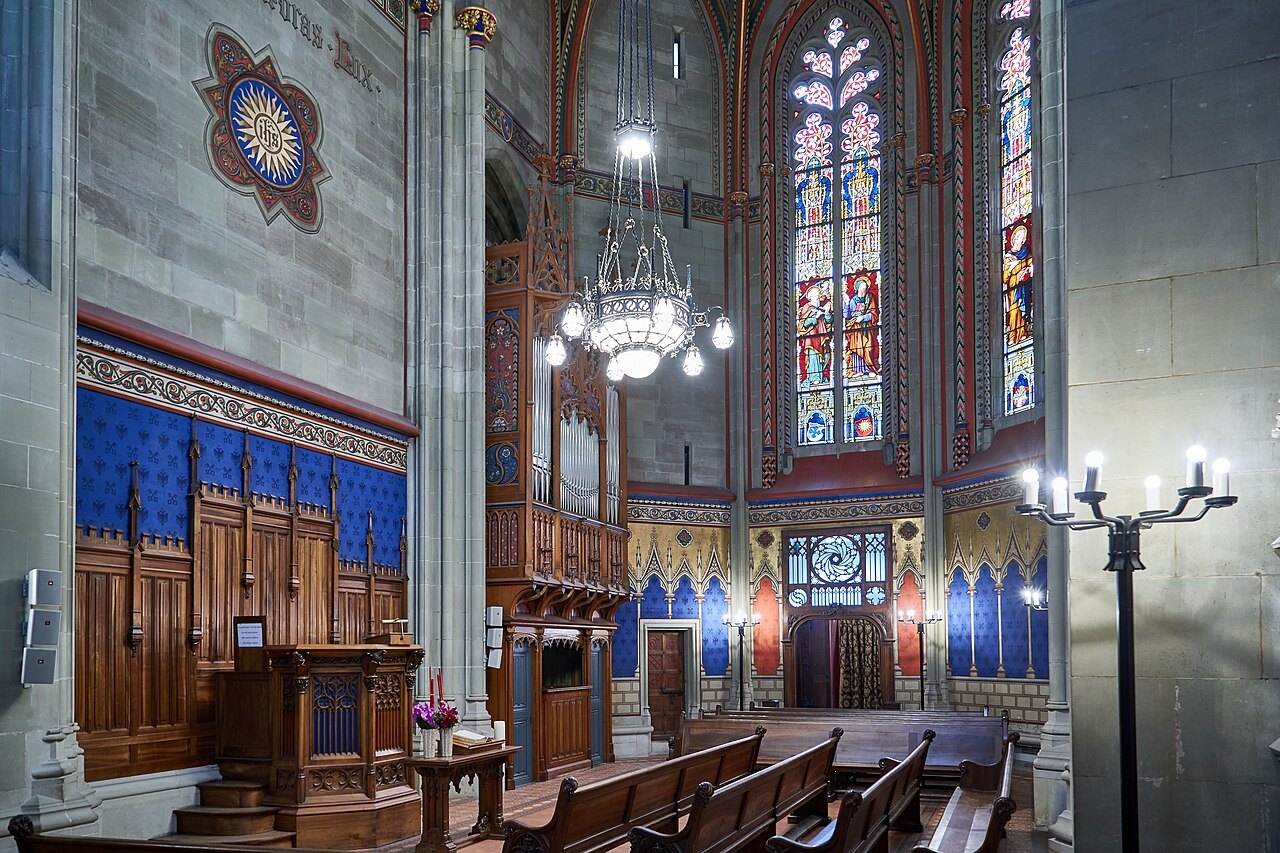
The case for climbing rests almost entirely on that view, because the building below gives little of it away. Inside, the cathedral is deliberately plain, a Reformed interior stripped of the statues and altars that iconoclasts tore down on a single afternoon in 1535. The towers offer the opposite experience: open air, a long sightline, and a sense of the city's layout that the bare nave cannot give.
What each tower holds
The south tower was the watch post. A lookout stationed there scanned the city for fires from 1527 until 1911, which explains why the climb was built in the first place and why the stair exists at all. Today it is simply the quieter of the two towers to ascend, without that functional history laid out for visitors but with the same narrow stone stair and the same gradual reveal of the rooftops below.
The north tower is where the view opens out fully and where the sound comes from. It holds La Clémence, the cathedral's largest bell; the first bell of that name was cast in 1407, and the bell heard today is a recasting from 1902. Visitors climbing this tower pass close to the bell chamber on the way up, so the experience is as much about the mechanics of a medieval cathedral, the ropes, the frame, the sheer scale of the bronze, as it is about the panorama waiting at the top.
What the view actually shows
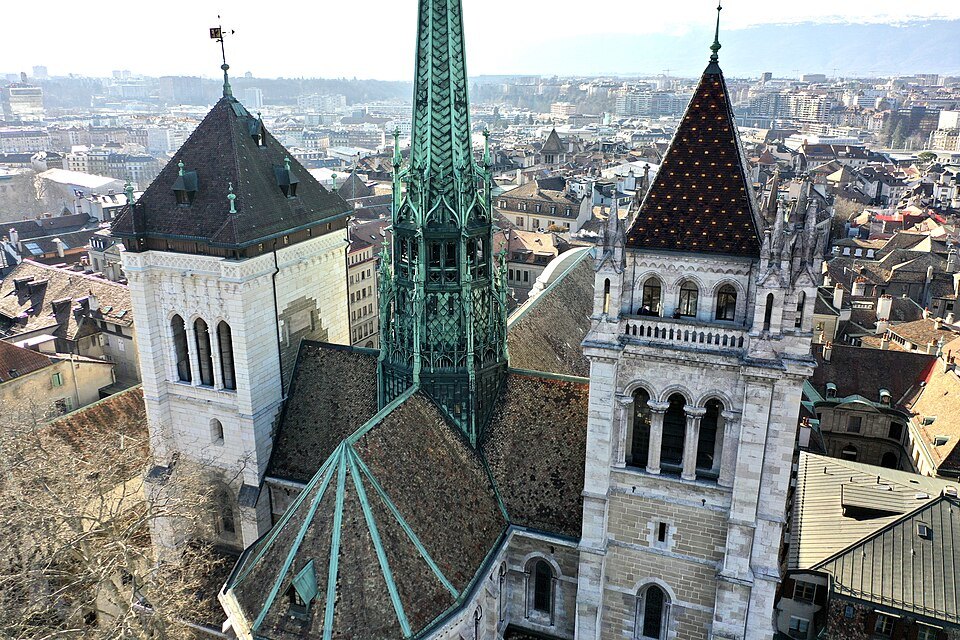
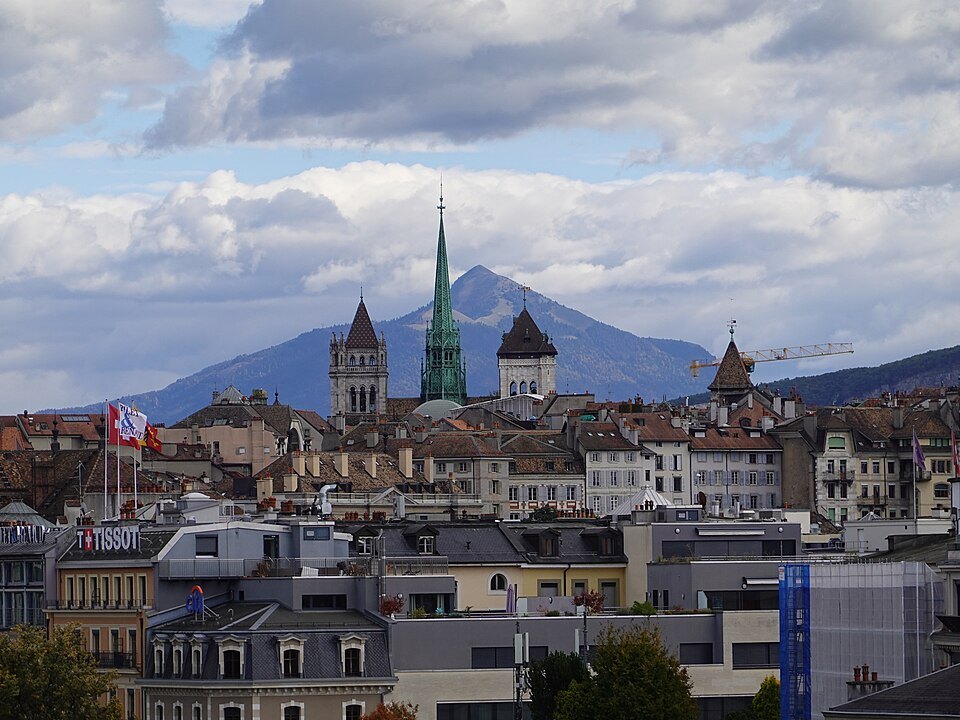
From the top of the north tower, the old town spreads out directly below in a close, roof-level view that is hard to get anywhere else in Geneva. Beyond the rooftops, the harbor and the Jet d'Eau mark the edge of the lake, with the Jura hills rising along the horizon to the west.
On a clear day the Alps show as well, which is the closest thing to a long-distance reward the climb offers. Because visibility depends on season and weather, anyone making the climb specifically for the mountain view should treat it as a possibility rather than a guarantee, and should not build an entire itinerary around seeing the Alps from this one point.
The view is also a useful way to read the old town's shape from above: the spire over the crossing, added in 1895, sits almost at the center of the view, and the grid of roofs below traces streets that are far less legible from ground level.
Timing and arrangements
The towers keep their own schedule, separate from services held in the church and separate from the archaeological site underneath the building. Because the cathedral remains a working place of worship, services take priority over tourist access whenever the two overlap, and the current arrangements for the towers, including any restrictions tied to services or civic events, should be checked on the cathedral's own site before planning a visit around them.
On certain nights around the full moon, the towers open after dark, giving a view of the city lit up rather than in daylight. This is a fixed but occasional arrangement rather than a nightly one, so it is worth checking the cathedral's site directly for the next scheduled date rather than assuming it happens on a simple recurring pattern.
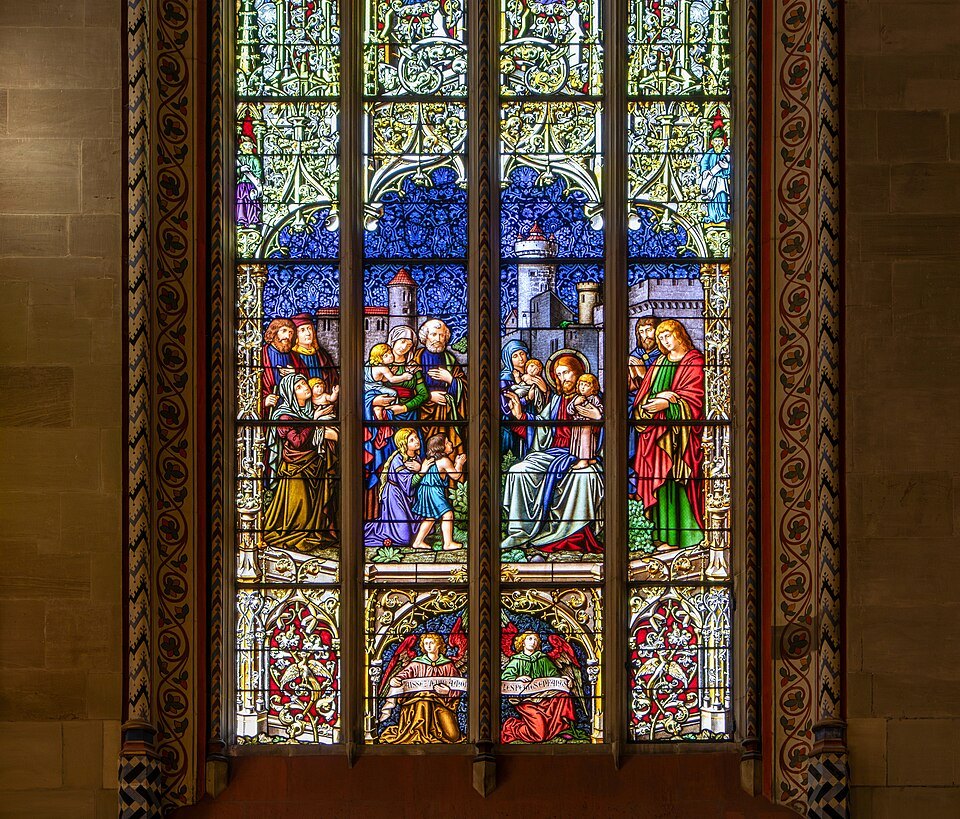
Visitors planning a full morning in this corner of the old town, taking in the cathedral, the archaeological site, and the best season for a clear view from the tower, do well to check the cathedral's own site once rather than relying on secondhand hours.
Is it worth the stairs
For most visitors, yes, provided the legs and the schedule allow for it. The climb is the only way to get a genuine overview of the old town's roofline from above, and it costs comparatively little time next to the reward: roughly half an hour including the stairs themselves, by the cathedral's own reckoning of how long each part of a visit takes.
Visitors with limited mobility, or simply limited time, lose relatively little by skipping it. The church interior and the archaeological site beneath it, which traces the hill's history back to the third century BC, can be visited on their own and still make for a full and worthwhile stop. The view from the Treille terrace nearby offers a lower-effort, street-level alternative to part of the same panorama, without any stairs at all.
What to see at ground level first
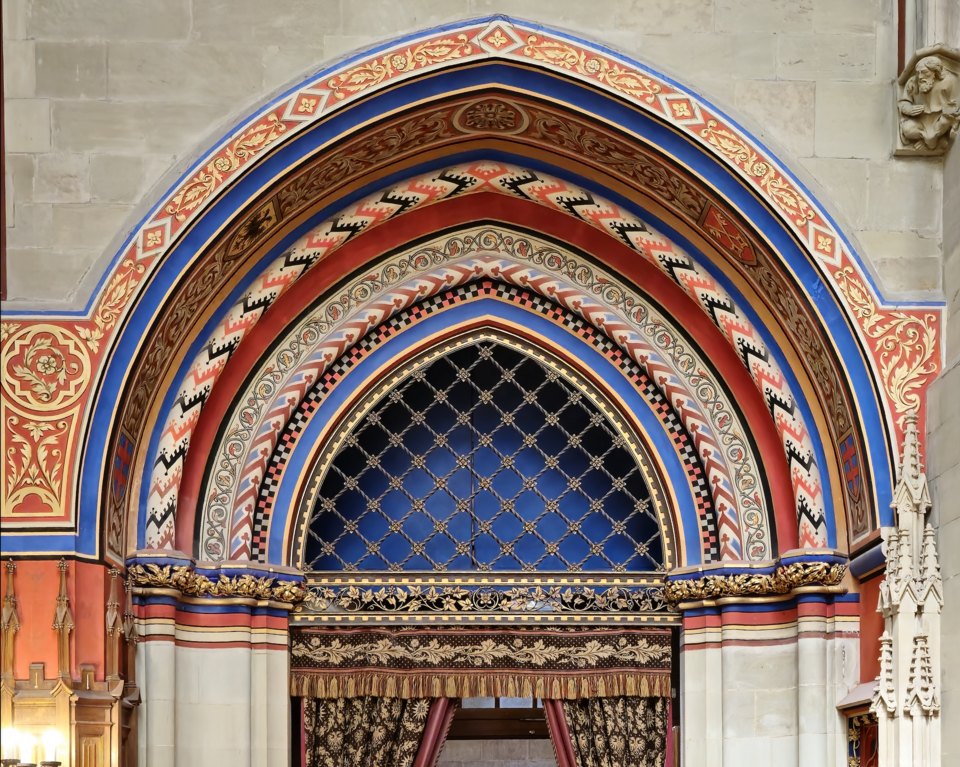
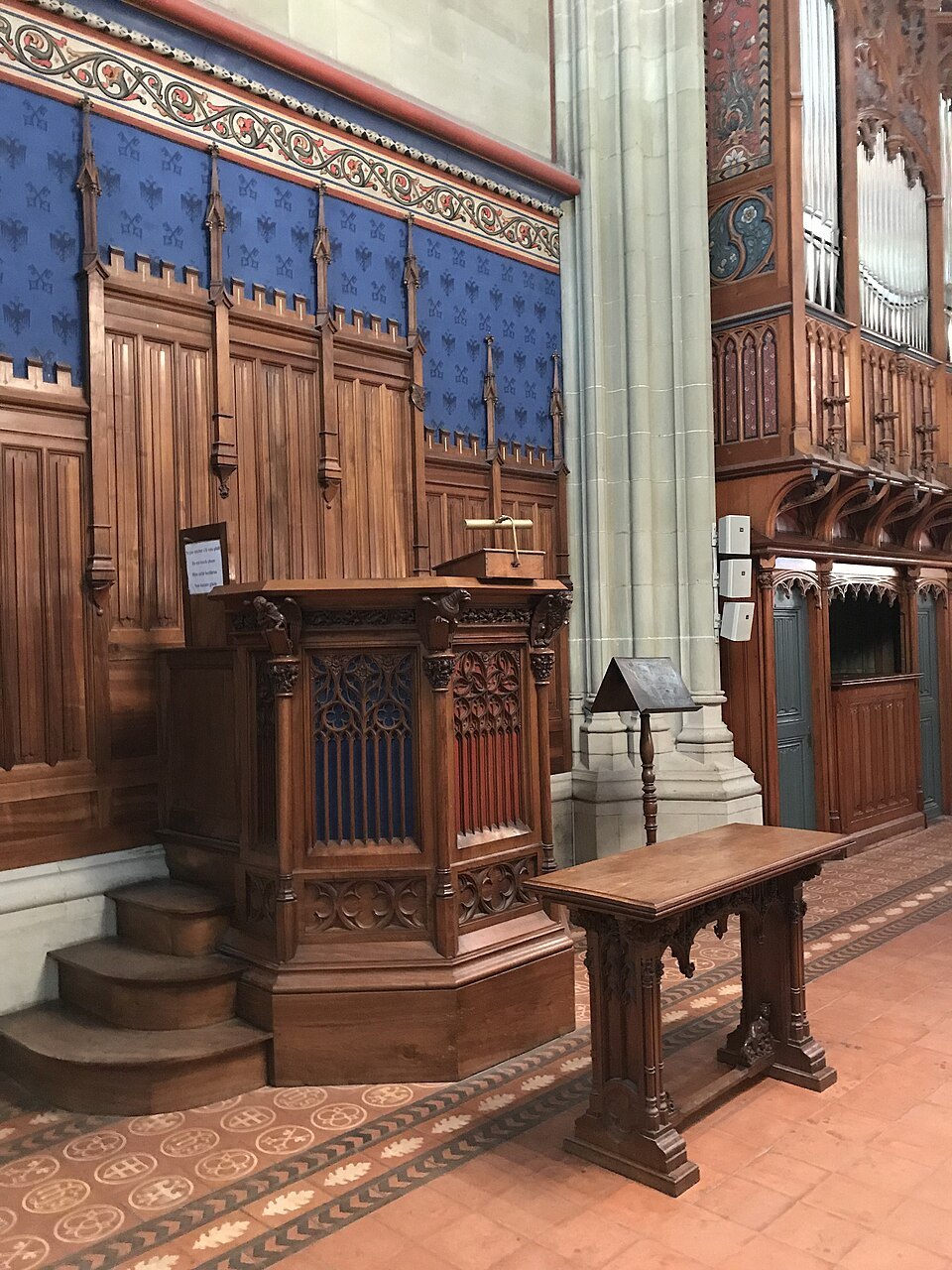
Before or after the climb, the cathedral interior rewards a slow look precisely because it holds so little. The wooden chair that tradition calls Calvin's chair, the pulpit, the carved choir stalls, some made by the same Burgundian sculptor who worked on Cardinal de Brogny's tomb, and the stained-glass windows in the choir are the details worth seeking out in a nave that is otherwise defined by height and emptiness.
The Maccabees Chapel, built as Cardinal Jean de Brogny's funeral chapel and finished around 1405, is the one richly colored room in the building, though the painted vaults seen today date largely from a nineteenth-century restoration rather than from the fifteenth century. The altarpiece originally painted for this cathedral by Konrad Witz in 1444 is not here at all; it hangs in the Musée d'Art et d'Histoire, a short walk away, and is worth seeing as a companion piece to the bare chapel that once held it.
Combining the climb with the rest of the visit
The towers fit naturally into a morning that also includes the cathedral's plain Reformed nave, the archaeological site beneath it, and the International Museum of the Reformation next door, housed in the Maison Mallet on the site of the old cloister. Together these add up to a full morning on one corner of the old town, with the tower climb as the physical high point, literally, of the visit.
Afterward, the natural next steps are downhill: Place du Bourg-de-Four a few steps away, the Hôtel de Ville, and the Reformation Wall in the park below the old walls, all an easy continuation of the same walk on a single afternoon.
More from the journal
- Day TripsWhere can you see Mont Blanc from Geneva?The highest summit of the Alps is visible from much of Geneva on a clear day. The best places in the city to look for it, the viewpoints above it, and how to pick your day.Read the piece
- When to ComeWhat happens at the Escalade, Geneva's festival in December?Every December Geneva remembers the night in 1602 when it beat back a surprise attack by Savoy: the story, the costumed procession, the run through the old town, the chocolate cauldron, and how a visitor joins in.Read the piece