Read on
Two landings, one choice
Lake cruises from Geneva are run by the Compagnie Générale de Navigation, founded in 1873. Its fleet of nineteen boats includes eight Belle Époque paddle steamers built between 1904 and 1927, the largest such fleet in the world by passenger capacity, and four still run on their original steam engines. The boats are listed as historic monuments in their own right, which makes the vessel itself part of the sightseeing rather than just a way to reach a destination.
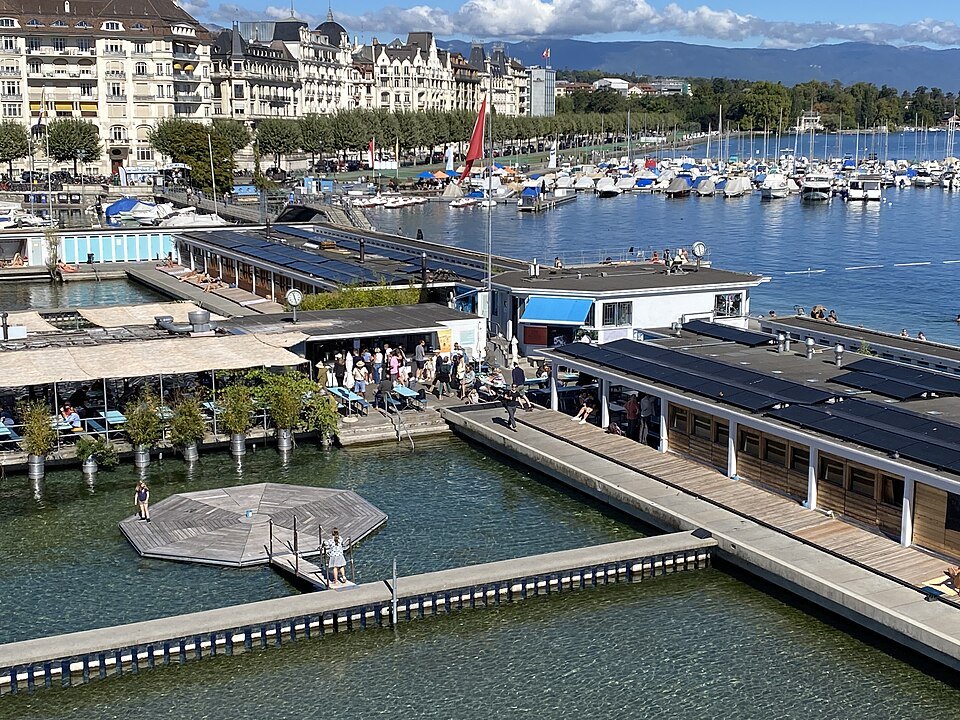
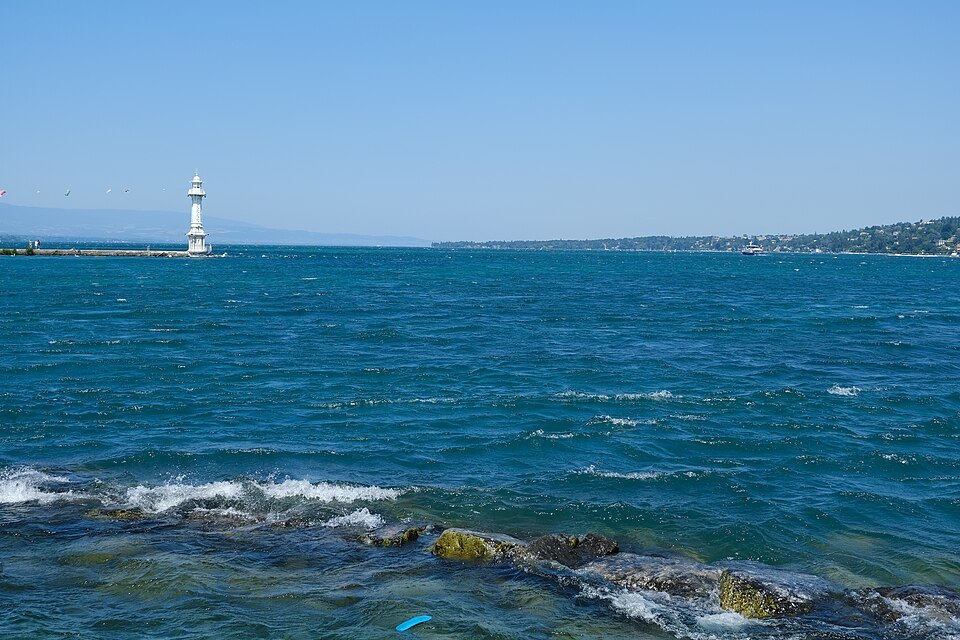
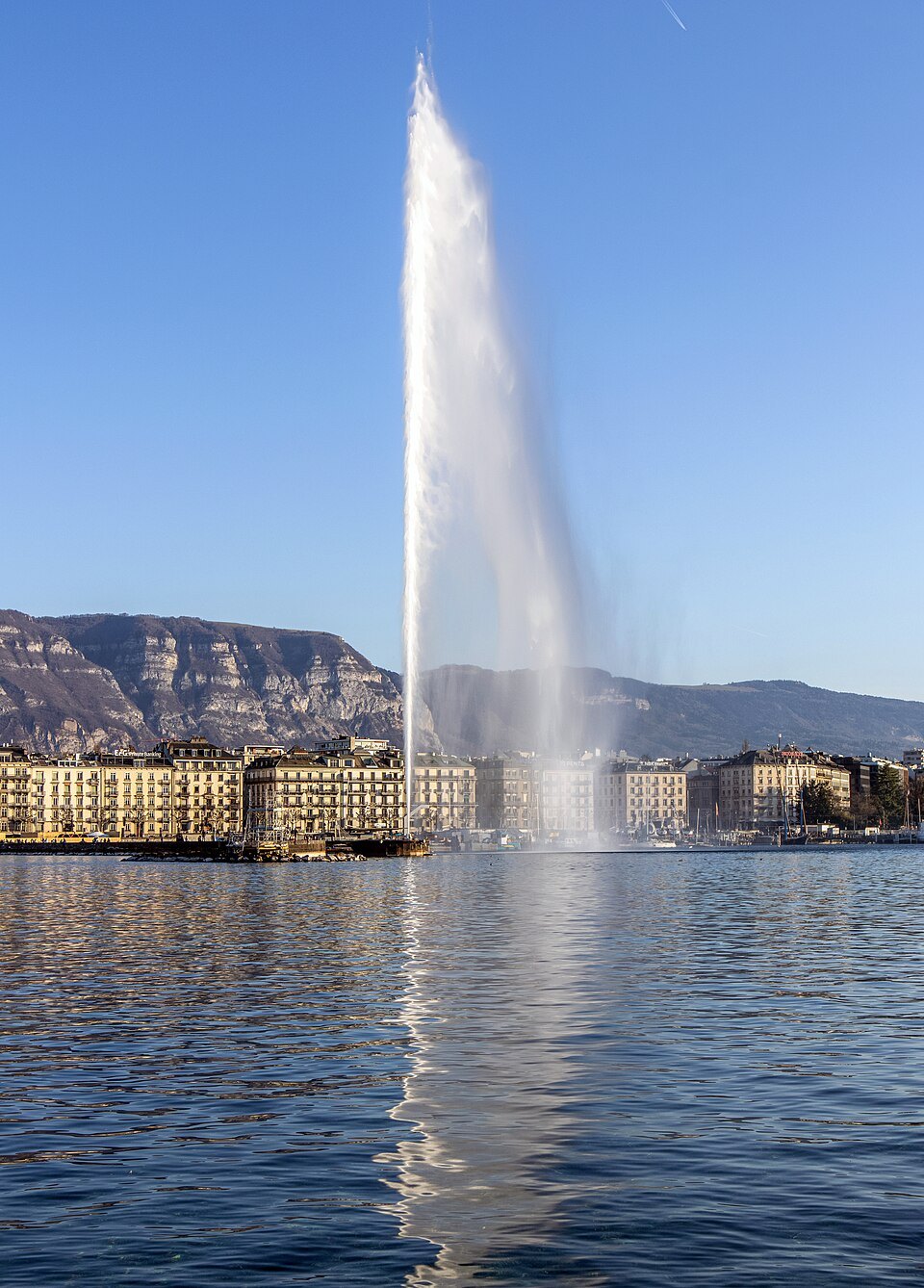
In the city the boats call at two landings a short walk apart: Mont-Blanc on the right bank, near the Quai du Mont-Blanc, and Jardin Anglais on the left bank, by the Jardin Anglais. Both sit inside the harbor, the rade, framed by the Pâquis jetty with its lighthouse and the Eaux-Vives jetty with the Jet d'Eau.
For a single free afternoon, the choice comes down less to which landing is more convenient, since both work equally well, than to how far the destination lies and how much the return journey commits the rest of the day.
Some links on this page are affiliate links. If you book through one we may earn a commission, at no extra cost to you. It does not affect what is recommended here, and no sight page on this site carries one.
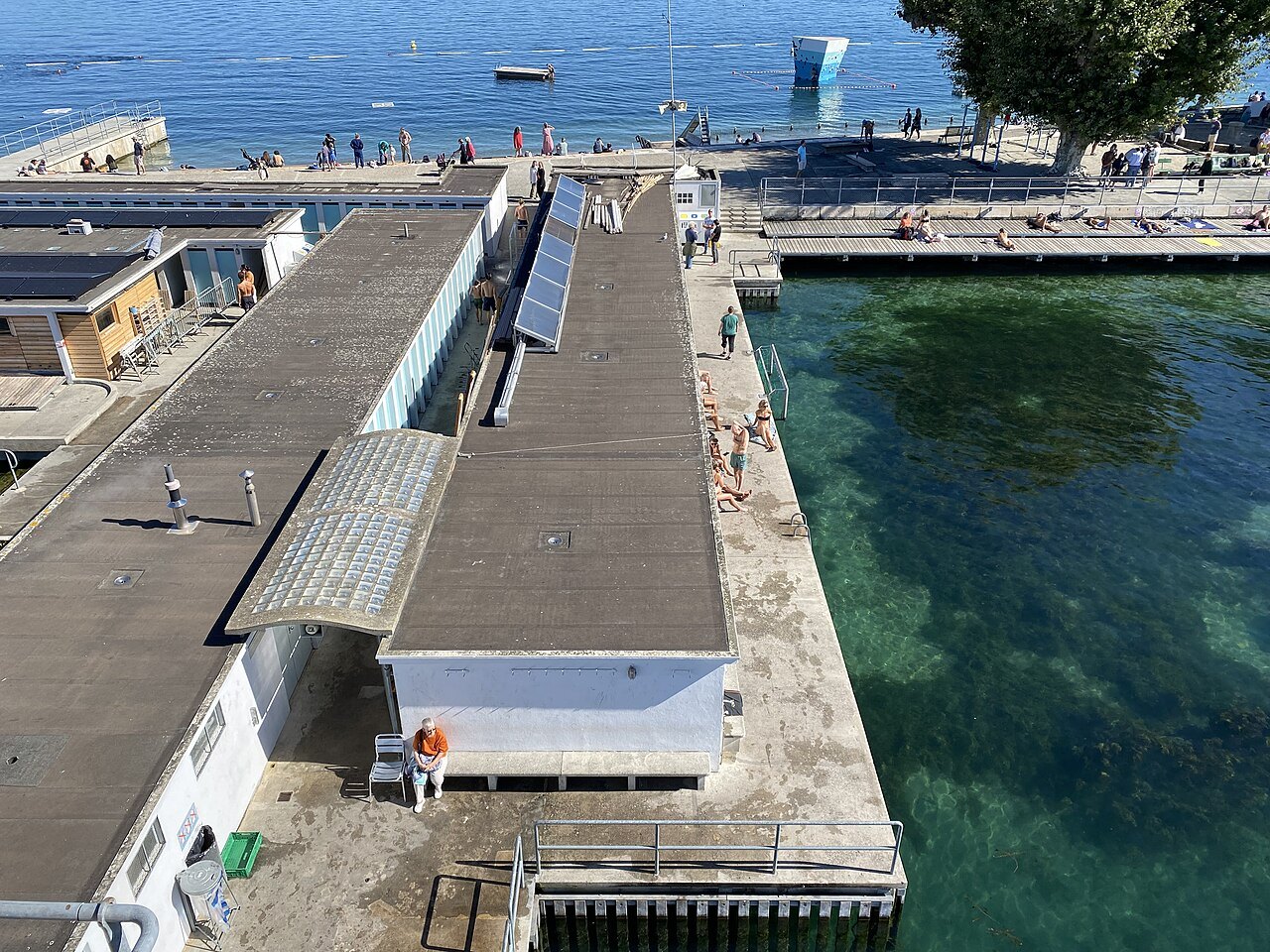
Somewhere to leave bags so a last swim fits before the train home.
The short loop into the Petit Lac
The easiest option for a few free hours is a cruise along the Petit Lac, the narrow western arm of the lake that lies within the canton, calling at Versoix, Coppet and Nyon. These stops sit close together on the Swiss shore, so a round trip stays contained, with enough slack at either end to walk the quays before boarding or after returning.
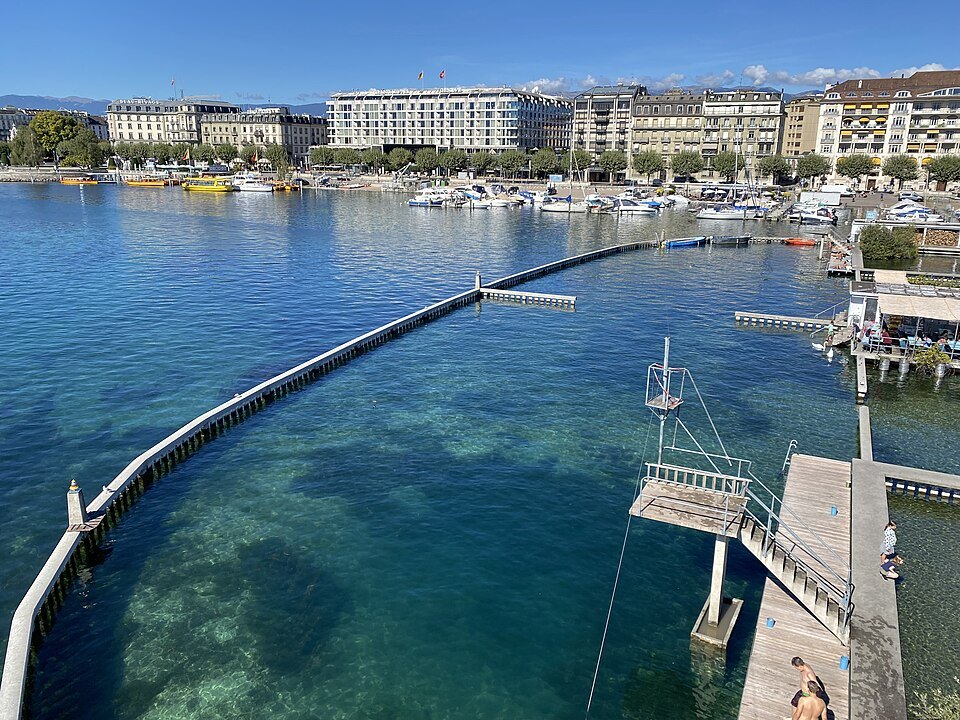
This stretch of water is also the one visible from the city itself: narrower and shallower than the great basin beyond, bordered by vineyard slopes rather than open water, and backed, on clear days, by Mont Blanc. A cruise here extends a view Geneva already offers rather than replacing it, which makes it a gentle way to spend an afternoon without committing to a long crossing.
Crossing to Yvoire
A second short option crosses the lake to Yvoire, a fortified village on the French shore, reached as a day trip rather than from within the city itself. It is a different kind of outing from the Petit Lac loop: instead of hugging the Swiss bank from town to town, the boat crosses open water, and the destination is a single walled settlement rather than a string of lakeside stops.
Because Yvoire sits in France, travelers should confirm with the CGN beforehand what identification or documents the crossing requires, since that detail depends on the operator's own current arrangements rather than anything fixed. The same applies to the return sailing: it is worth checking the timing of the last boat back before setting out, so the afternoon in Yvoire does not run longer than the schedule allows.
The full length to Lausanne
The CGN also runs the lake's full length, past the Petit Lac into the wider basin toward Lausanne. It is the most scenic of the three options, taking in a stretch of shoreline the city itself never shows, since from Geneva only the tapering western end of the lake is visible. But it is also the longest route on offer, and whether a comfortable round trip fits into one afternoon depends entirely on how the outbound and return sailings line up on a given day.
Anyone drawn to this route should check the CGN's own timetable before committing, since the schedule is seasonal and generally fuller in summer. The sensible order is to work out the return sailing first, rather than the outbound one, so the trip does not end with a long wait on the far shore that outlasts the cruise itself.
Not the same as the Mouettes
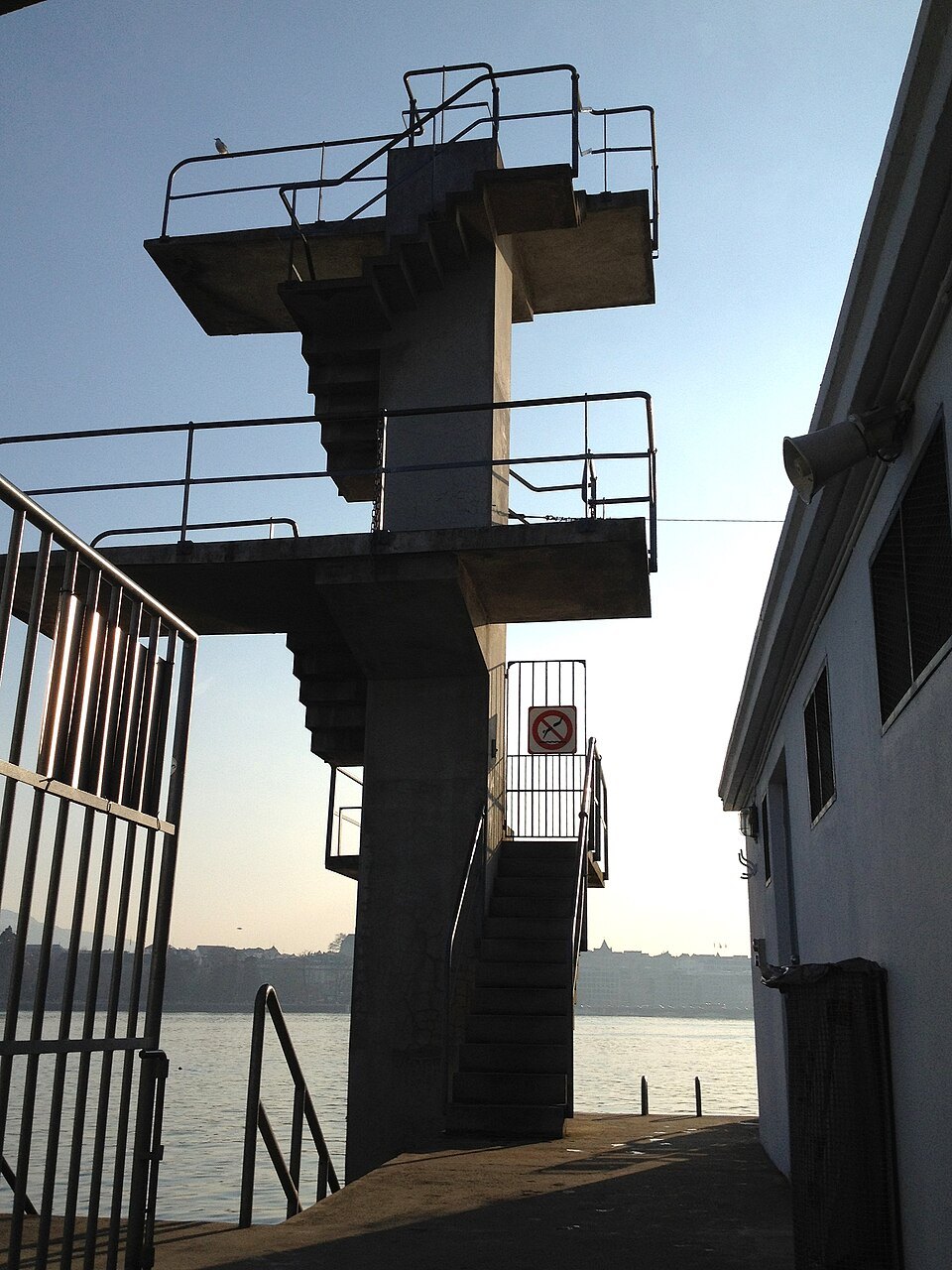
Geneva also has small yellow water buses, the Mouettes, which cross the harbor itself on four short lines and take ordinary public transport tickets rather than a separate fare. They are useful for moving quickly between the two shores, and the mechanics of using them are covered on the Getting Around page, but they stay inside the rade and do not reach Versoix, Nyon, Yvoire or Lausanne.
Travelers looking for a longer outing on open water should head for the CGN landings at Mont-Blanc or Jardin Anglais rather than the Mouettes stops nearby. The two kinds of boat share the same harbor and sometimes the same view, but they serve entirely different purposes, and confusing one for the other is an easy way to lose part of an afternoon.
The historic boats themselves
Part of the appeal of any of these cruises is the vessel rather than the destination. The paddle steamers in the CGN fleet date from the early twentieth century, and several still run on their original engines, a detail the operator can confirm boat by boat and sailing by sailing for anyone who would rather travel under steam than on a modern diesel hull.
A separate survivor, the paddle steamer Genève, built in 1896 for the national exhibition held in Geneva that year and withdrawn from service in 1973, is moored permanently at the Quai Gustave-Ador rather than cruising. Saved by an association that now uses it as a day shelter for people in hardship and, in the summer months, as a bar and restaurant, it is worth a look even for visitors who choose a different boat for their own afternoon on the water.
Planning the afternoon
Whichever route looks most appealing, the sensible first step is the CGN's own site, which lists the current routes, the seasonal dates and, where it matters, which sailings run under steam rather than diesel power. For busier periods, booking ahead is worth considering, and the Booking Ahead page sets out which Geneva experiences generally reward it.
For a single free afternoon, the Petit Lac loop or the Yvoire crossing are the more forgiving choices, since both keep the return sailing within easy reach and leave margin if plans slip. The full length to Lausanne rewards careful planning with the most scenery, but it is also the one most likely to run long if the timetable does not cooperate, so it suits a visitor with a flexible rest of the day rather than a tight one.
More from the journal
- Getting AroundHow do the yellow Mouettes water buses work, and which crossing is best?What the yellow Mouettes water buses are, how the four lines differ, and which crossing suits a short visit.Read the piece
- Day TripsWhere can you see Mont Blanc from Geneva?The highest summit of the Alps is visible from much of Geneva on a clear day. The best places in the city to look for it, the viewpoints above it, and how to pick your day.Read the piece
- The LakeCan you swim in Lake Geneva right in the city?Yes, and Genevans do, all year: the public baths on the Pâquis jetty, the new Eaux-Vives beach, the pools of Genève-Plage, how clean the water is, and what to know before you get in.Read the piece