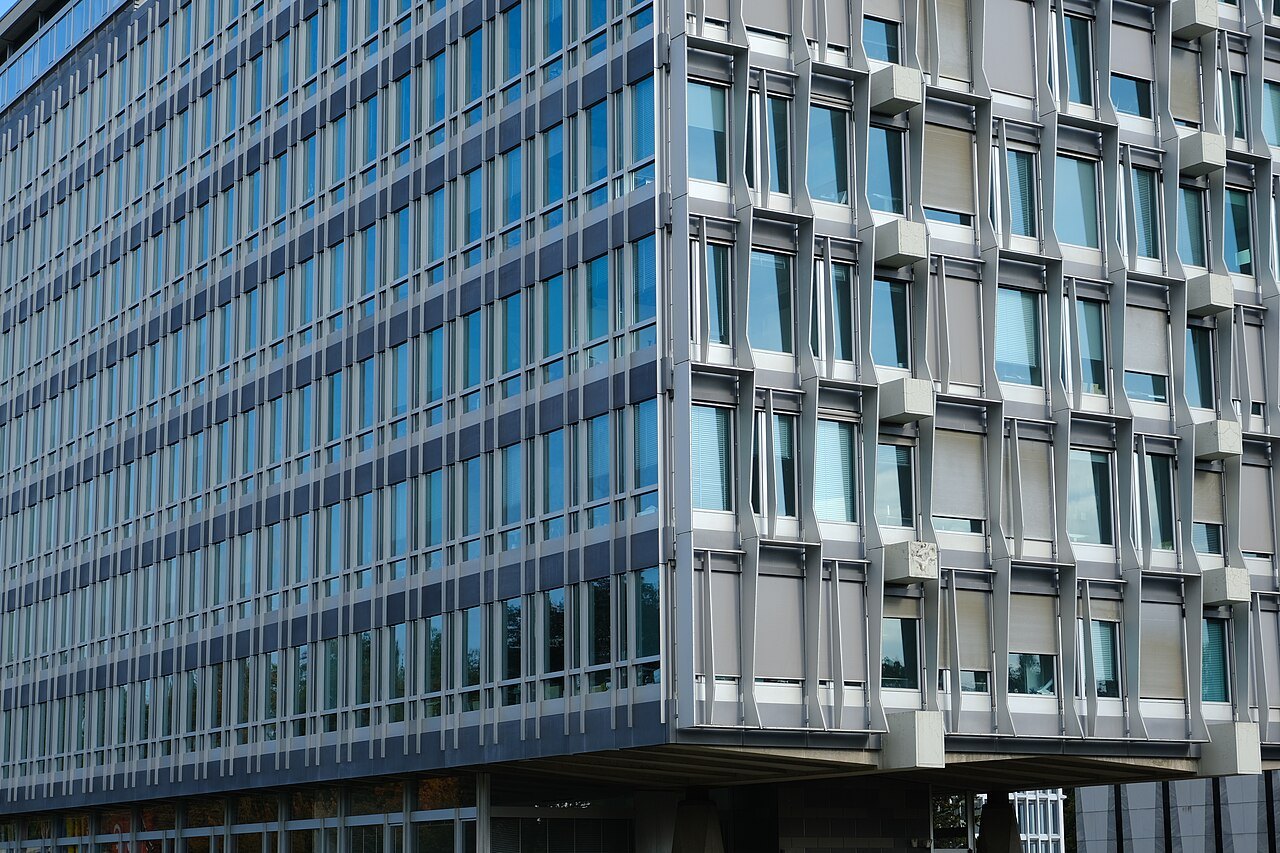
Why did the League of Nations choose Geneva?
The reasons Geneva, not a capital, became home to the League of Nations and then the United Nations.
Read on
Not a capital, yet a diplomatic city
Geneva governs no country, but it hosts more international organizations than almost any other city on earth. It shares that distinction with a handful of places, among them New York, Basel and Strasbourg, that are seats of major international bodies without being national capitals, and it is often called the capital of peace.
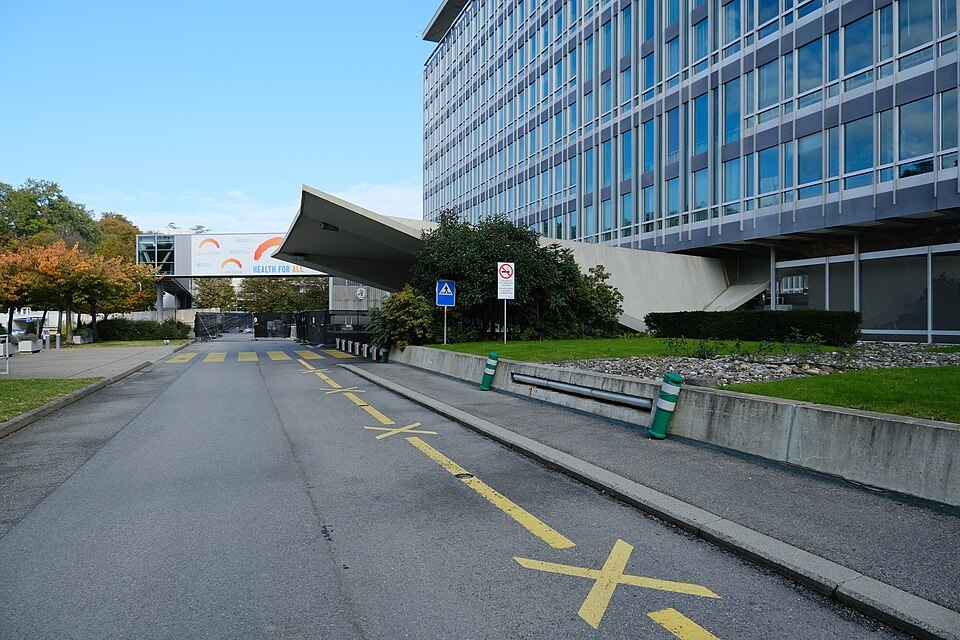
The scale is substantial for a city of its size. According to the Swiss government's platform for International Geneva, one hundred eighty-six states keep a permanent mission here, alongside forty-two international organizations and close to five hundred non-governmental organizations, together employing more than thirty-six thousand people, roughly one job in ten in the canton.
Humanitarian law and arbitration, before the League
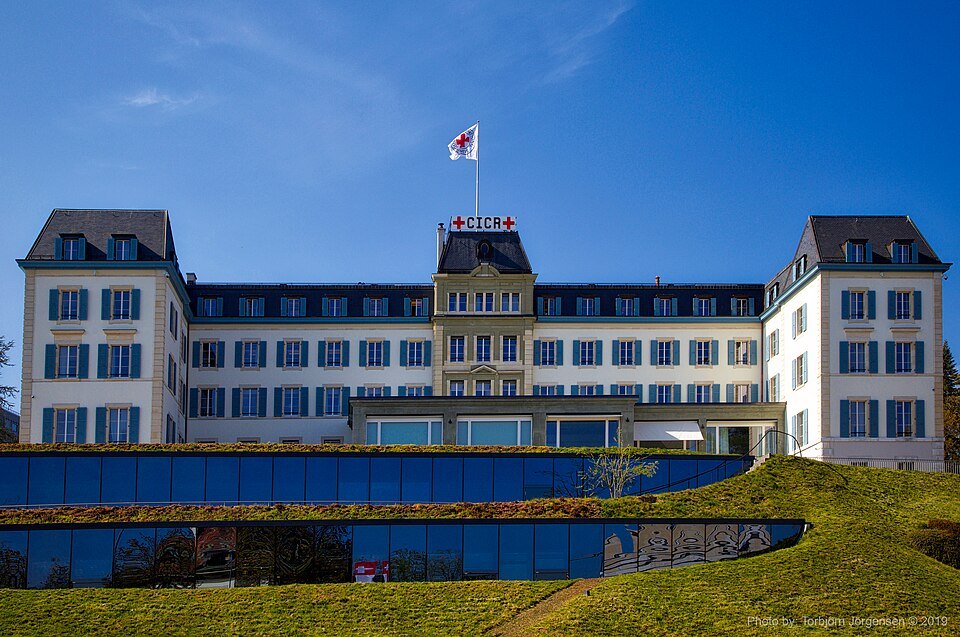
The pattern was set well before 1919. In 1863 five Geneva citizens, moved by Henry Dunant's account of the battlefield of Solferino, founded what became the International Committee of the Red Cross. The following August a diplomatic conference in the city adopted the first Geneva Convention, for the care of wounded soldiers in the field, later revised three times over the following decades.
Arbitration came next. In 1872 an international tribunal met in a reception room of the town hall to settle the Alabama Claims, the dispute between the United States and Britain over Confederate warships built in British yards. The ruling favored the United States and set a precedent for settling disputes between states through law rather than war. The room is still called the Alabama room, inside the town hall described on the Hotel de Ville page.
Why Geneva, in 1919
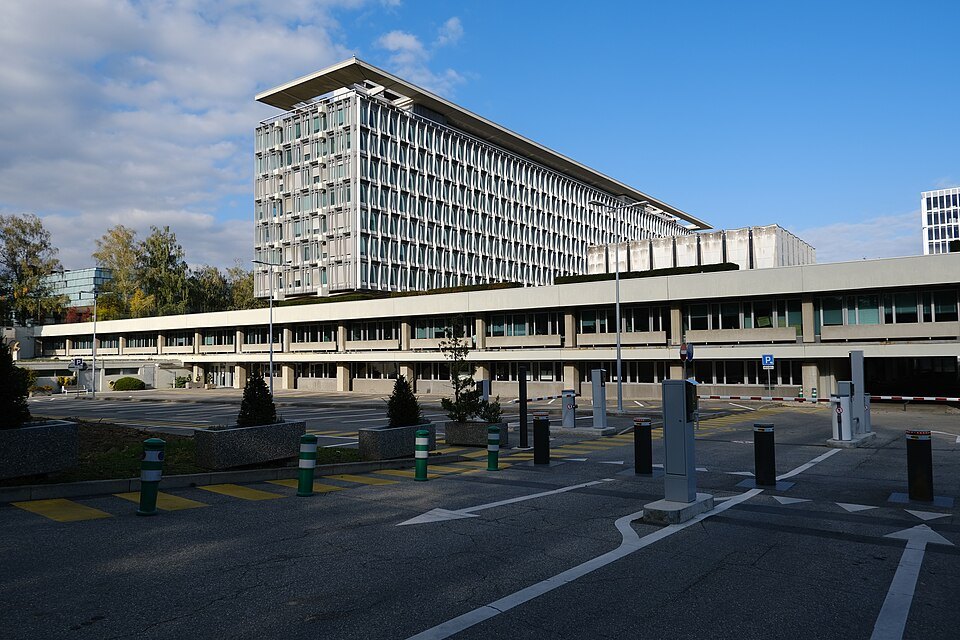
When the victors of the First World War looked for a seat for the new League of Nations, Geneva already had decades of practice as a neutral meeting ground: a city with no army of its own, home to the Red Cross movement, and the site of a landmark arbitration between great powers. Switzerland's long-standing neutrality made the choice easier still, and the League needed a capital that belonged to no side in the war just ended.
Geneva also made itself useful in a direct way: the city donated the land on which the League built its headquarters, the Palace of Nations. The League did not outlast the war it was meant to prevent, but the building, the diplomatic habits and the cluster of organizations that formed around them did not disappear with it.
From the League to the United Nations
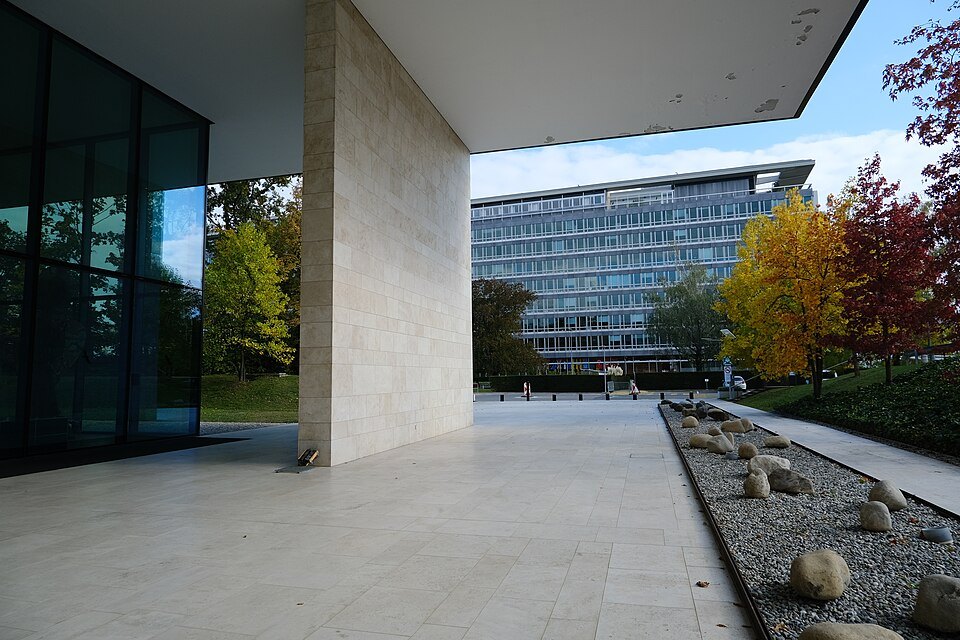
When the United Nations was created after the Second World War, it took over the Palace of Nations rather than starting elsewhere, and the agencies that gathered around the building over the following decades made the city what it is today. The United Nations Office at Geneva is now one of the organization's major hubs, hosting around eight thousand meetings a year on subjects from disarmament and human rights to health and trade; the Human Rights Council meets in Room XX, under a dome redecorated by the artist Miquel Barceló.
Several specialized agencies of the UN system keep their headquarters in the city, among them the World Health Organization, the International Labour Organization, the International Telecommunication Union, the World Intellectual Property Organization and the World Meteorological Organization. UN bodies based here include the refugee agency UNHCR, the human rights office, the trade and development body UNCTAD, UNAIDS and the Economic Commission for Europe, and the World Trade Organization, outside the UN system, is also headquartered in Geneva. The Red Cross movement keeps two headquarters here, and the World Council of Churches and the Lutheran World Federation share a center in Grand-Saconnex.
What a visitor can see today
Most of international Geneva is working space behind security gates, closed to casual visits, but a few places reward the trip up the hill from Cornavin. The Place des Nations can be visited at any time; the Broken Chair, a twelve-meter wooden chair with a leg torn off, stands as a protest against landmines and cluster munitions, and the flags of member states line the approach to the palace beyond the gates.
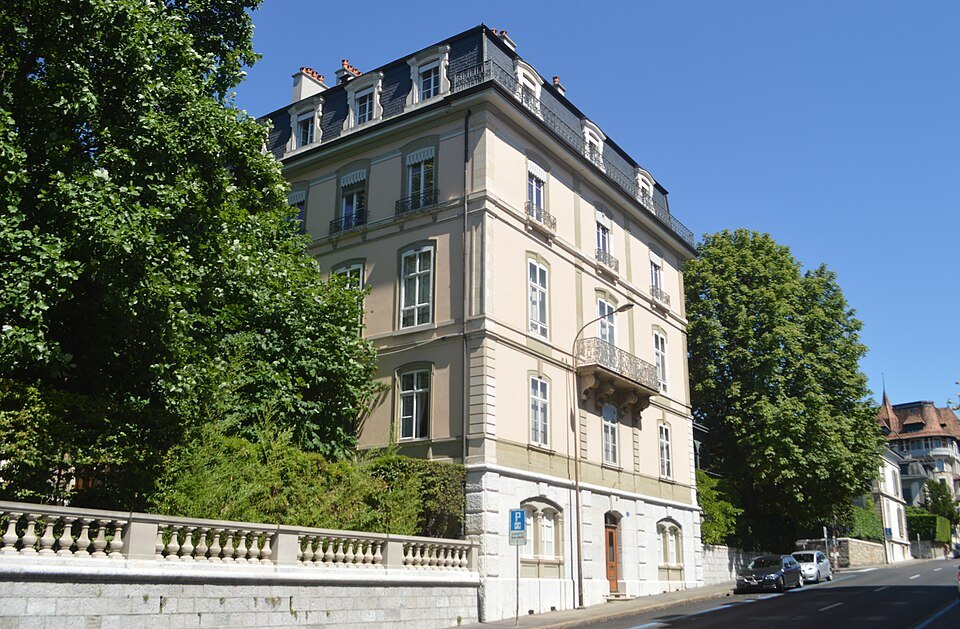
The Palace of Nations itself can be seen on a guided tour, booked ahead through the United Nations Geneva visitor service; the /palais-des-nations/ page describes what the tour covers, and the /booking-ahead/ page explains how to check availability and fit it into a trip. Every visitor needs a valid passport or Schengen-area identity card and should plan to arrive early for security screening.
Across the Avenue de la Paix, the /red-cross-museum/ tells the story of humanitarian action through twelve witnesses and three distinct architectural spaces, and is the clearest introduction to what the organizations up the hill actually do. The Ariana museum next door, described on the /ariana/ page, and the /botanical-garden/ below, make a fuller day of the quarter.
In the old town
Part of the story sits on the other bank. The Alabama room, where the 1872 tribunal met, is inside the town hall at the top of the old town, a short walk from Place du Bourg-de-Four. The /reformation-wall/ in the Parc des Bastions recalls an older, religious version of international Geneva, the city of Calvin, Farel and Beza known as the Protestant Rome, whose ideas traveled far beyond Switzerland; the university nearby began in 1559 as Calvin's Geneva Academy.
The humanist and diplomatic habits that eventually brought the League of Nations to Geneva grew out of that older history. Seeing both banks on the same visit gives a fuller sense of the city than the flags on Place des Nations alone.
Practical notes
The tram from Cornavin to Place des Nations takes about eight or nine minutes and is the easiest way up; the /getting-around/ page covers tickets and routes for the wider city. The quarter is spread out and partly uphill, and its organizations sit behind fences rather than open doors, so a plan helps: the square and the chair, the palace tour if booked in advance, the Red Cross museum and the Ariana.
Demonstrations and gatherings are common on Place des Nations, which faces the United Nations directly; they are part of what the square is used for, and a visitor should expect to see them rather than be surprised by them. Allow at least half a day for the quarter, and a full day if the Ariana and a walk down through the botanical garden to the lake are added, since the lakeside path continues from there toward the Pâquis and the city center.
More from the journal
- Booking AheadHow do you visit the Palace of Nations, and what do you need to bring?The guided tour is the only way inside the UN's palace in Geneva: how booking works, the passport rule, the security check, the luggage limit, and what you see if you cannot get a place.Read the piece
- International GenevaWhat can you see of international Geneva without a guided tour?A guide to what visitors can see of international Geneva's flags, museums and parks without booking a tour.Read the piece
- When to ComeWhat happens at the Escalade, Geneva's festival in December?Every December Geneva remembers the night in 1602 when it beat back a surprise attack by Savoy: the story, the costumed procession, the run through the old town, the chocolate cauldron, and how a visitor joins in.Read the piece