Can you reach Geneva from the French side of the airport?
What the airport's French sector means for a visitor heading into Geneva, and how to reach the city from it.
Read on
The short version
Geneva Airport sits directly on the border between Switzerland and France, and one part of Terminal 1, the French sector, opens straight onto the French side for travelers continuing into the neighboring Pays de Gex. For almost every visitor arriving to see Geneva itself, this detail makes no practical difference: the normal route is to follow the signs to the Swiss exit, where the railway station beneath the terminal has trains to Cornavin, the main station, in about seven minutes.
The question only matters if a flight has been booked through, or a traveling companion has arranged to leave through, the French side of the terminal. In that case reaching the city of Geneva means re-entering the Swiss side of the airport, or traveling into Geneva by road or rail from French territory, rather than walking through the terminal as usual.
Some links on this page are affiliate links. If you book through one we may earn a commission, at no extra cost to you. It does not affect what is recommended here, and no sight page on this site carries one.
A transfer booked ahead, somewhere to leave bags, and mobile data from landing.
How the French sector works
Geneva Airport's two countries share a single building. Terminal 1 is the main terminal, and most of it functions as a conventional Swiss airport, with the railway station, car rental counters and taxi access all reached through the Swiss side. A separate section of Terminal 1, signposted for passengers bound for France, allows arrivals to leave directly into the Pays de Gex without passing through the main Swiss arrivals hall.
This dual arrangement exists because of the airport's position on the frontier, and it is used mainly by travelers whose onward journey is into France rather than into the city of Geneva. A visitor who has arrived on an ordinary international flight and who wants to reach central Geneva should simply follow the signs toward Swiss arrivals, baggage claim and the railway station, regardless of which side of the terminal a connecting flight might have used.
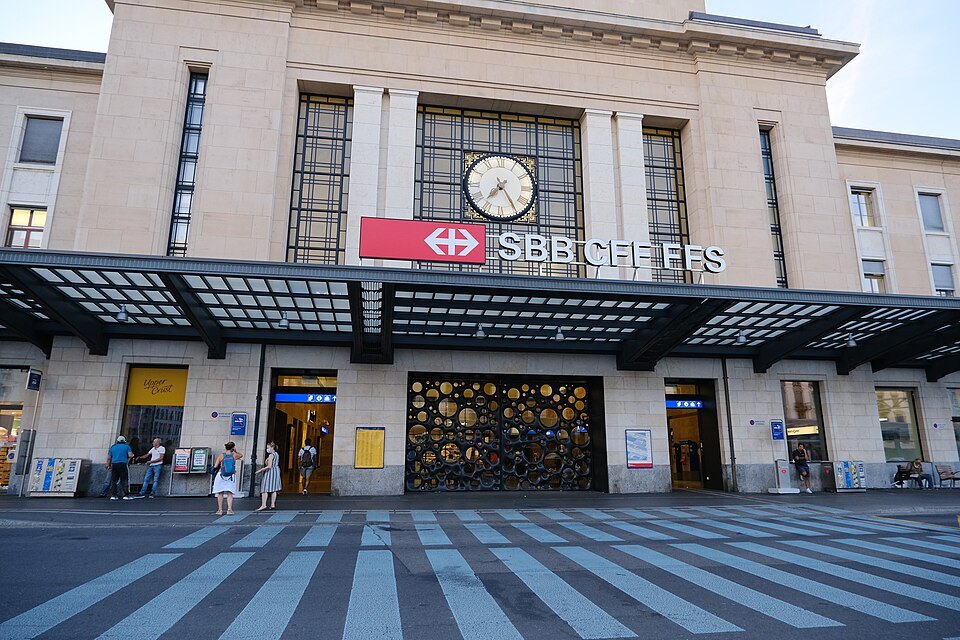
Anyone uncertain which exit applies to their flight, or who has arrived with a companion or group split between the two sides, should ask airport staff or check with the airline before collecting baggage. The signage inside the terminal is the most reliable guide on the day, since gate assignments and terminal layout can vary by flight.
Reaching Geneva once you are on the Swiss side
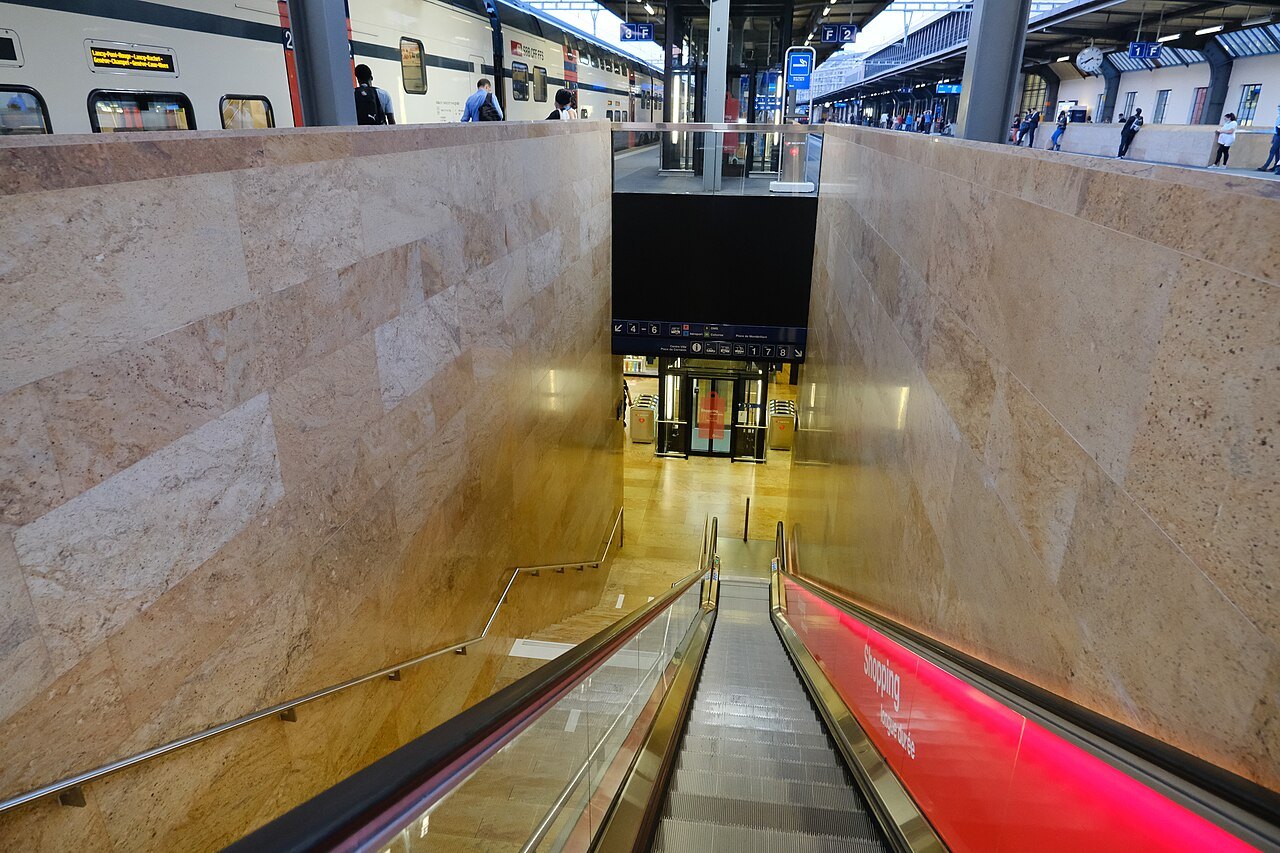
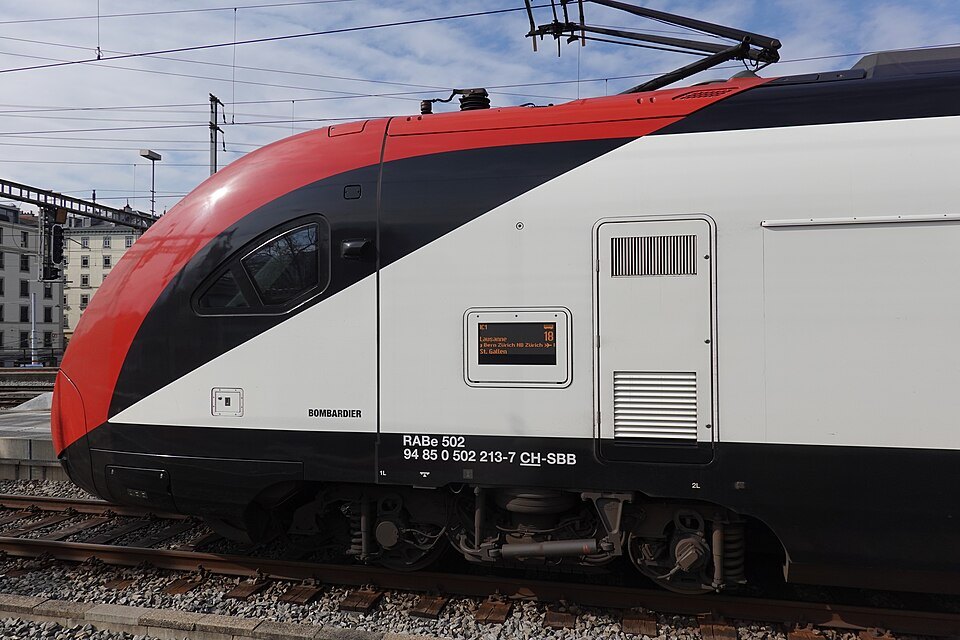
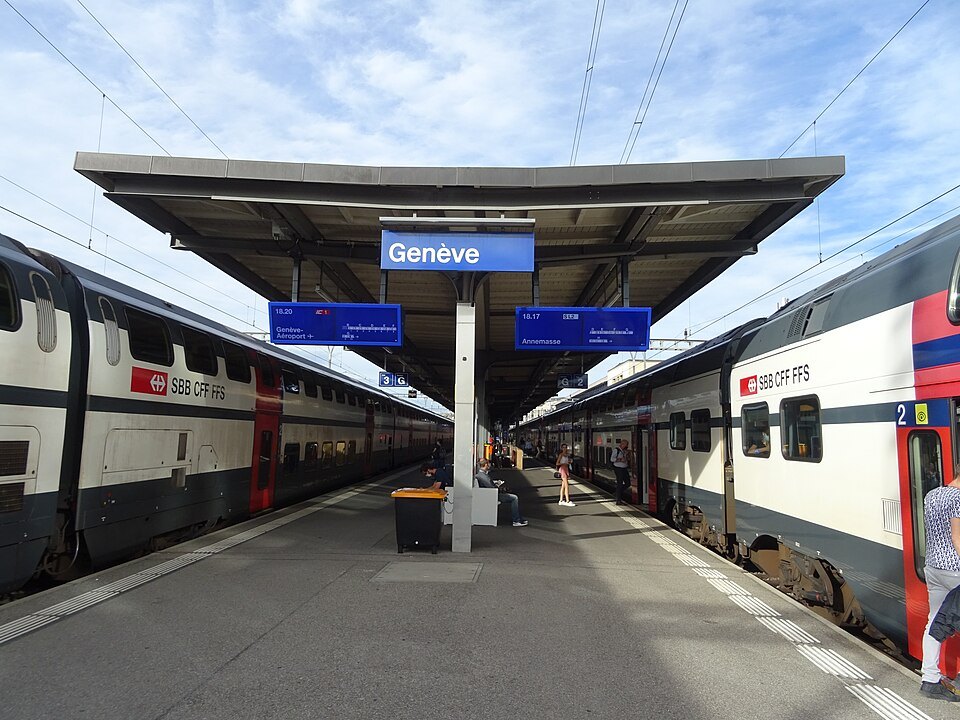
Once through the Swiss exit, the route into the city is straightforward. The airport's railway station lies beneath the terminal, and trains run every few minutes to Cornavin, Geneva's main station, a journey of about seven minutes. The same trains continue across Switzerland, with many running directly to Lausanne, Bern, Zurich or Brig, so the airport functions as a station stop on the national network rather than a dead end.
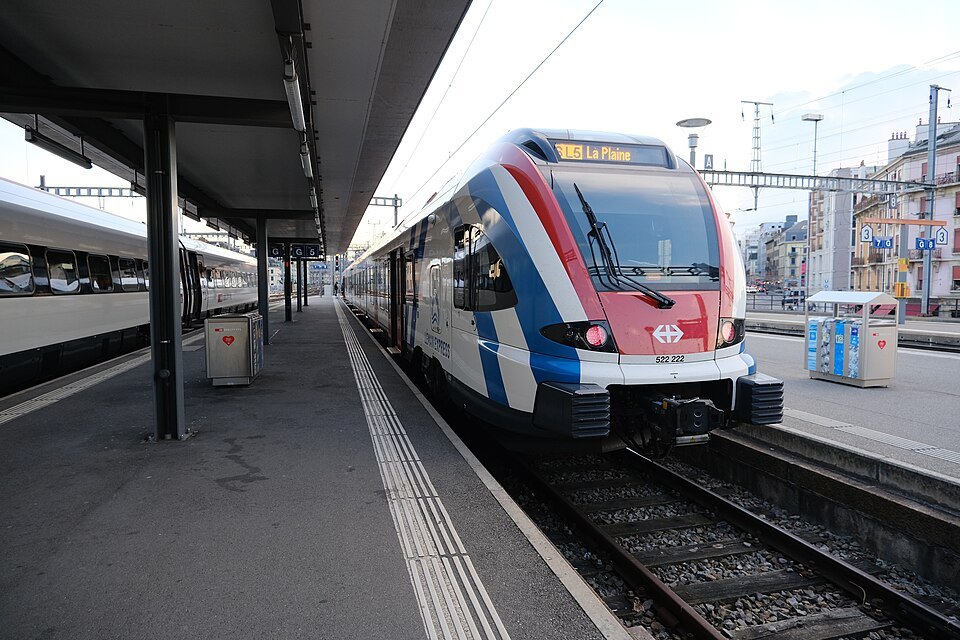
City buses also serve the airport for travelers who prefer the road, and Terminal 2, used only for winter charter flights carrying skiers, has its own separate arrangements that a visitor should confirm with the airline if flying into it. For nearly all arrivals, though, the fastest and simplest way into the city is the train, which lands passengers at Cornavin within walking distance of the lake and the old town.
If you have arrived from French territory
A visitor who has entered Switzerland through the French side of the airport, or who is approaching Geneva from somewhere in the Pays de Gex, still has direct ways into the city without doubling back through the terminal. Coaches serve the region from the Gare routière de Genève near Cornavin, and in the ski season, coaches also run between the airport and Alpine resorts, which can include stops useful to someone already on the French side.
The wider option is rail. The Léman Express, the cross-border network that opened in December 2019, links a large area of neighboring France with Geneva through an underground line connecting Cornavin with a new Eaux-Vives station and on to Annemasse. It does not call at the airport itself, but a traveler coming from a French border town, rather than from the airport, can use it to reach Geneva directly, with tickets for the cross-border leg bought separately from ordinary Geneva fares.
Anyone driving in from France should also remember that every car and light trailer on Swiss motorways needs a vignette, bought as an e-vignette online through the federal customs portal and linked to the number plate. Geneva also runs an emissions-based traffic scheme at pollution peaks, recognizing the French Crit'Air sticker as equivalent to its own Stick'AIR system, so a car already carrying a Crit'Air sticker is covered when driving into the canton.
Borders, documents and money
Switzerland is not part of the European Union, but it has belonged to the Schengen area since 2008, so travelers arriving from other Schengen countries, including France, do not normally go through passport control. Customs is handled separately, however, and checks can occur at the airport, on the border roads and aboard trains arriving from France, so travelers should keep identity documents accessible rather than packed away.
The currency in Geneva is the Swiss franc, not the euro, even though French territory begins only a short distance from the center in almost every direction. A traveler who has just crossed from the French side of the airport, or who plans a day trip back across the border, should expect to change currency as well as country, since euros are not the local tender inside Switzerland.
Travelers heading to the Palace of Nations for a guided visit should note that every visitor shows a passport or a Schengen-area identity card at the gate, independent of how they arrived in the city.
Once you reach the city
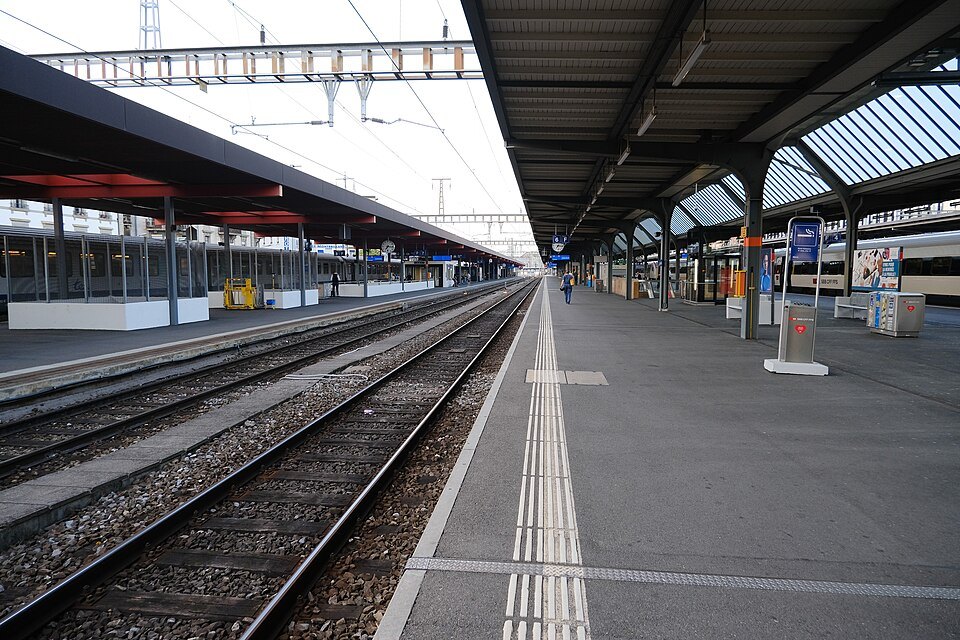
Whichever side of the airport a journey began on, arrival in central Geneva works the same way. Cornavin puts a visitor on the right bank, at the top of the Pâquis district, with the lake and the Pont du Mont-Blanc about ten minutes on foot down the Rue du Mont-Blanc, and the old town a further ten minutes uphill across the bridge. Trams leave from the square in front of the station for the Place des Nations and the rest of international Geneva.
For getting around once settled, trams and buses cover the city well, and a car is rarely useful inside the center, where streets are narrow and parking limited; details on moving between neighborhoods are covered on getting around. Visitors staying in registered accommodation should also ask about the Geneva Transport Card, a free digital pass covering public transport across the canton for the length of a stay, including the train from the airport itself.
More from the journal
- Getting HereHow do you get from Geneva Airport to the old town with luggage?The train from Geneva Airport to Cornavin, the walk or tram onward to the old town hill, the free transport card, and what to plan for with heavy luggage.Read the piece
- Getting HereShould you arrive in Geneva by train from Paris, or fly?Weighing Geneva's TGV Lyria service from Paris against flying, and what each means once you land.Read the piece
- Getting AroundWhat does the Geneva Transport Card cover, and how do you get one?Guests of registered accommodation in Geneva travel free on the trams, buses, local trains and water buses of the whole canton. What the card covers, what it does not, how it arrives, and what to do without one.Read the piece